

MILLIONS of pregnant women and children can get their flu vaccine from today.
It’s the first phase of the NHS flu programme rollout in England to ensure families are protected ahead of the winter season.
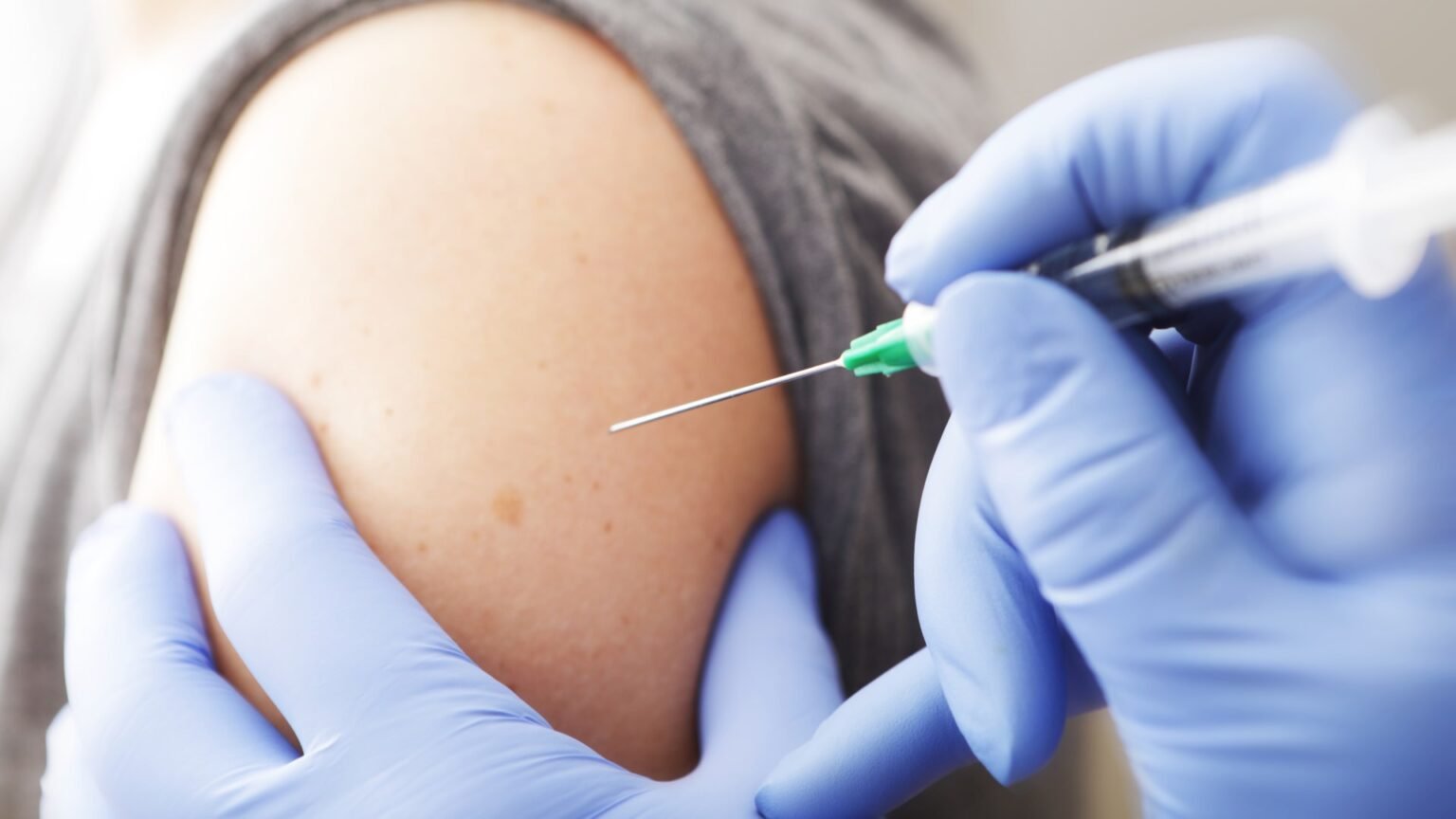
Millions of pregnant women and children can get their flu jab from today Credit: Getty
Flu jabs will be given in a range of locations, including pharmacies and mobile vans Credit: Oscar Wong
The jabs will be given in a range of locations, including pharmacies and mobile vans, to make it as easy as possible for those eligible to get vaccinated.
Thousands of children end up in hospital with the flu each winter, while pregnant women also face a higher risk of becoming seriously ill.
Sign up for the Health newsletter
Thank you!
Pregnant women can get their flu jab at any stage of pregnancy, NHS England (NHSE) said.
It explained that youngsters are given the jab in September as the virus can spread quicker in this age group.
TRIED AND TESTED
Three supplements you must take to help beat flu as kids return to school
LINE UP
Flu jab open for bookings NOW as NHS starts winter prep earlier than ever
School-aged children will have the vaccine – given as a nasal spray – in school, while the parents of two and three-year-olds will be invited through their GP practice.
According to NHSE, almost 19 million people had their flu jabs last winter, which helped to prevent around 104,000 hospital admissions.
Dr Amanda Doyle, national director for primary care and community services at NHS England, said: “Flu can really knock you for six, and for some children and pregnant women it can mean becoming seriously ill or ending up in hospital.
“Getting vaccinated only takes a few minutes, but it can make a real difference – helping protect you and the people around you from getting seriously unwell.
“So if you’re pregnant, speak to your maternity team, GP or community pharmacy about getting protected, and if your child is eligible, please take up the offer when it comes.”
Other eligible groups, including people aged 65 and over, care home residents, carers and adults with long-term condition, will begin receiving their flu jabs from October 1.
The NHS urge people to get their flu vaccine to avoid the risk of hospitalisation Credit: Getty
WHEN FLU MIGHT BE SERIOUS
ASK for an urgent GP appointment or get help from NHS 111 if:
You or your child have symptoms of flu and:
you’re worried about your baby’s or child’s symptoms
you’re 65 or over
you’re pregnant
you have a long-term medical condition – for example, diabetes or a condition that affects your heart, lungs, kidneys, brain or nerves
you have a weakened immune system – for example, because of chemotherapy or HIV
your symptoms do not improve after seven days
You can call 111 or get help from 111 online.
Call 999 or go to A&E if you:
get sudden chest pain
have difficulty breathing
start coughing up a lot of blood
Source: NHS
And from October, parents of two and three year olds will also be able to book an appointment for their children and community pharmacies offering the service.
Commenting on the rollout of this year’s flu jabs, Dr Leyla Hanbeck, chief executive of the Independent Pharmacies Association (IPA), said: “Flu is a potential killer, especially for those medically more vulnerable. It should never be dismissed as just one of those things we have to put up with each winter.
“We welcome the NHS’s decision to start the rollout of the flu jab programme promptly.
“To ensure maximum protection, anybody who qualifies should act quickly and get their jab as soon as they become eligible.
“The message is don’t delay. As soon as the NHS lets you know you qualify, get your flu jab booked.
“The consequences of ignoring the invitation can be deadly.”
While flu usually peaks in December and January, the NHS has started vaccinations earlier for eligible groups to protect them and help reduce the spread of flu before it circulates more widely.
NHSE also reminded Brits that its year-round RSV vaccination programme is expanding to include people aged 65 to 74 with a weakened immune system, or certain long-term lung conditions.
RSV – or respiratory syncytial virus – is a common cause of coughs and colds which usually gets better by itself, but can sometimes be serious for babies and older adults.
It comes after NHS chiefs urged patients to get vaccinated for the flu season earlier than usual after a record-breaking busy summer.
Chief nursing officer, Duncan Burton, said: “The NHS is kicking off its preparations for winter earlier than ever.
“The flu jab is one of our best defences against winter illness.”