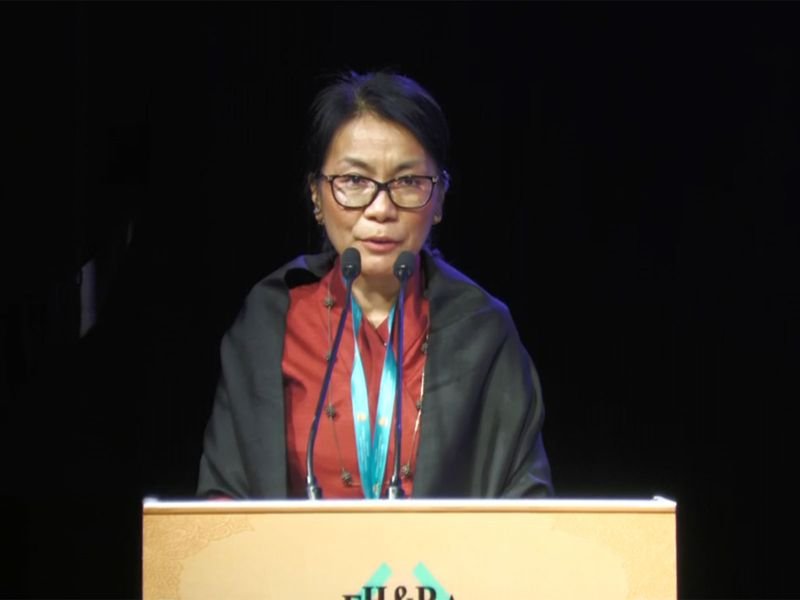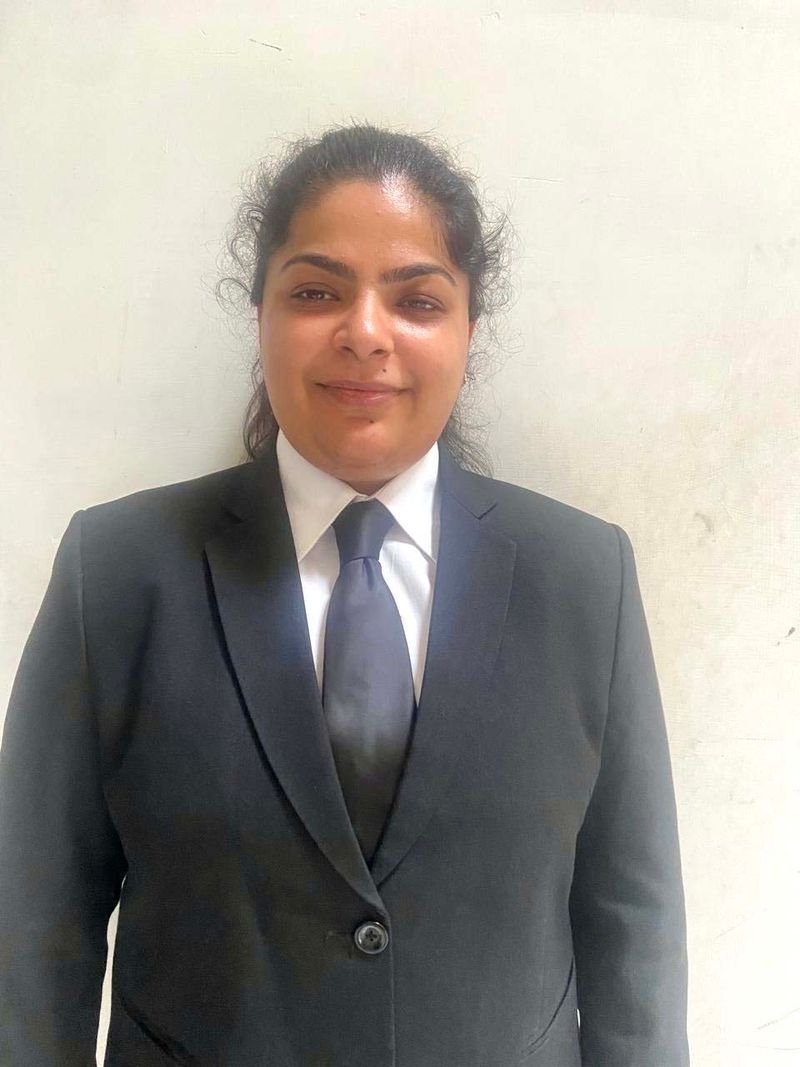

She defied darkness, dismantled barriers and scripted history by helping win a landmark public interest litigation (PIL) by being part of the team that persuaded the Supreme Court (SC) to modify the judicial service eligibility for law graduates.Sara Chawla (25), a lawyer from Ludhiana, lost her vision when she was 7-year-old due to some medical problem, but then began her journey which was marked by years of personal hardships and hurdles.Presently, she is working as a programme manager for the Bhumika Trust based in New Delhi and is handling litigations in the SC, Punjab and Haryana High Court, Delhi High Court and various district courts.At the centre of her struggle is the August 21, 2026, judgment pronounced by the SC in the Bhumika Trust vs Union of India along with the review petitions arising from the All India Judges Association case.“Our petition addressed the impact of the sudden restoration of the three-year practice requirement for entry into the judicial service, particularly its implications for persons with disabilities. The SC has now modified the earlier regime and now all law graduates remain eligible to apply, with one year of practice deemed for eligibility. Selected candidates will undergo one year of paid training at the State Judicial Academy. This will be followed by one year of structured Law Clerkship under judicial supervision. Both periods will count towards the practice requirement,” said Sara.Most importantly, the court expressly observed that the scheme should address the grievances raised by the Bhumika Trust, particularly regarding appropriate accommodation for persons with disabilities.As Sara shares, “This judgment is a reminder that accessibility does not mean lowering standards. It means removing unnecessary barriers to opportunity.”The case was argued by president of the Bhumika Trust, advocate Jayant Singh Raghav, assisted by advocate Srikrishna Kumar Yadav, advocate Shristy Sinha, advocate Sara Chawla, advocate Megha Tolia, advocate Tanya Yadav and advocate Ragini Kumari.Going back to where she started, Sara did her schooling from Sat Paul Mittal School in Ludhiana and law from Rajiv Gandhi National University of Law (RGNUL) in Patiala.“India still has a far way to go when it comes to persons with disabilities. The first and foremost requirement is digitisation of the study material. We still get notes that are scanned copies, these should be digitalised so that visually impaired people can easily access these. Even courts do not have these facilities till now. Institutes and workplaces should have standard operating procedures in cases of visual impairment,” says Sara.