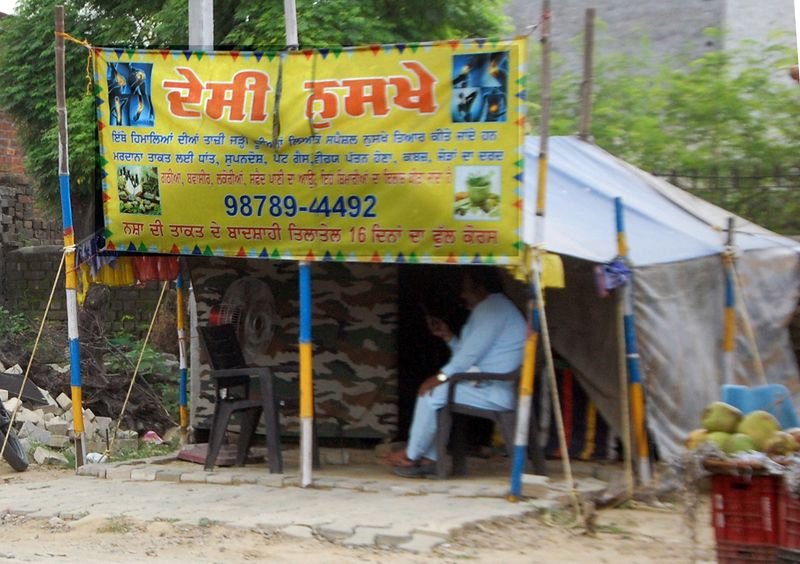

Despite a law prohibiting advertisements claiming magical remedies for certain diseases and disorders, misleading claims promising miracle cures continue to find space in newspapers, pamphlets and on public walls across Amritsar. The unchecked publicity has raised concerns that vulnerable patients are being exploited by unscrupulous practitioners.Advertisements offering cures for serious ailments such as cancer, HIV/AIDS, infertility, mental illnesses and other chronic conditions can frequently be spotted in classified sections, leaflets distributed with newspapers and on walls in residential and commercial areas. Many make sweeping claims to cure diseases that normally require prolonged medical treatment, specialist care and, in some cases, lifelong management.The advertisements often use phrases such as “guaranteed cure”, “permanent treatment” and “100 per cent recovery”, while displaying mobile numbers and inviting patients to contact practitioners directly. Some also claim to treat diseases considered incurable or difficult to manage through conventional medicine.The practice is prohibited under the Drugs and Magic Remedies (Objectionable Advertisements) Act, 1954, which places restrictions on advertisements relating to certain diseases and claims of magical remedies. Yet enforcement on the ground appears inadequate.Medical practitioners said such advertisements could have serious consequences, particularly when patients or their families, desperate for a cure, abandon or delay evidence-based treatment in the hope of finding an easier alternative.“Patients suffering from cancer or other serious diseases are particularly vulnerable because they are often desperate for another option. Delaying scientifically proven treatment after being influenced by such advertisements can worsen the condition,” said a city-based doctor.Residents said the advertisements were particularly disturbing when displayed at prominent public places. “If such claims are illegal, the authorities should identify those putting them up and take action. Simply removing the posters will not solve the problem,” said a resident, Balram Singh.The issue also raises questions about the monitoring of advertising, especially as such claims are increasingly posted on social media platforms. The continued appearance of such advertisements suggests that those behind them are willing to exploit gaps in enforcement.Health officials and medical experts said people should verify the credentials of practitioners and seek treatment from qualified medical professionals rather than rely on unverified claims. They also stressed the need for coordinated action by health authorities and civic agencies to identify and prosecute those promoting fraudulent cures.