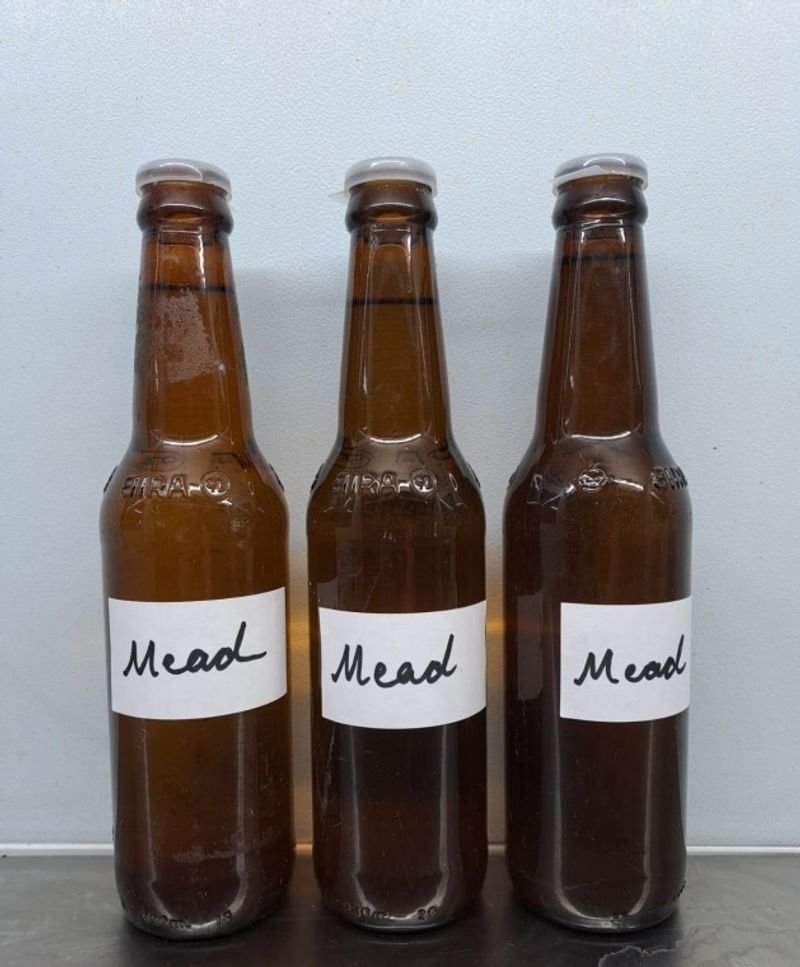

Punjab Agricultural University (PAU), Ludhiana, has developed a standardised technology for the fermentative preparation of Mead‑Honey offering a new value‑added opportunity for apiculture. Mead, an undistilled alcoholic beverage produced exclusively from honey, water, and selected yeast cultures, is one of the oldest fermented drinks known to humankind. With PAU’s intervention, it is now being positioned as a modern craft beverage that can help beekeepers convert surplus or lower‑grade honey into a premium product.India, the world’s sixth‑largest honey producer, contributes nearly 3.5 per cent of global output. Yet, raw honey often suffers from impurities and post‑harvest losses due to its hygroscopic nature, leading to spoilage and economic setbacks for beekeepers. PAU’s mead technology addresses this challenge by transforming otherwise underutilised honey into a functional alcoholic drink rich in bioactive compounds, antioxidants, and minerals.Commercial mead typically contains 8-14 per cent ethanol and is available in dry, semi‑sweet and sweet variants, appealing to diverse consumer preferences.The preparation process involves three stages: pre-treatment of raw honey to remove impurities, wort preparation and controlled ethanolic fermentation, followed by clarification and maturation. Within 8-9 days of fermentation, mead achieves around 8.6 per cent ethanol, and subsequent maturation enhances flavour complexity and stability. This scientific approach ensures quality, safety, and market readiness, aligning with global standards while tapping into India’s growing craft beverage market.Dr Keshani, Extension Scientist (Microbiology) PAU’s Department of Microbiology, emphasised the innovation’s significance: “This technology demonstrates how surplus and rejected honey can be converted into a profitable product. Mead not only reduces post‑harvest losses but also opens new entrepreneurial avenues for rural communities.”Dr Gurvinder Singh Kocher, Principal Microbiologist, added, “Beekeepers often face fluctuating prices for raw honey. By adopting mead production, they can stabilise incomes, diversify product lines, and access premium domestic and export markets. It is a sustainable solution for the apiculture sector.” With rising consumer interest in craft beverages and functional alcoholic drinks, Punjab is well‑placed to lead India’s mead industry. The commercialisation of PAU’s technology through its Directorate of Research offers beekeepers and entrepreneurs a pathway to higher value realisation, rural employment, and agro‑based entrepreneurship. “By blending science with tradition, Med‑Honey emerges not just as a drink, but as an opportunity for Punjab’s apiculture sector,” adds Dr Keshani.