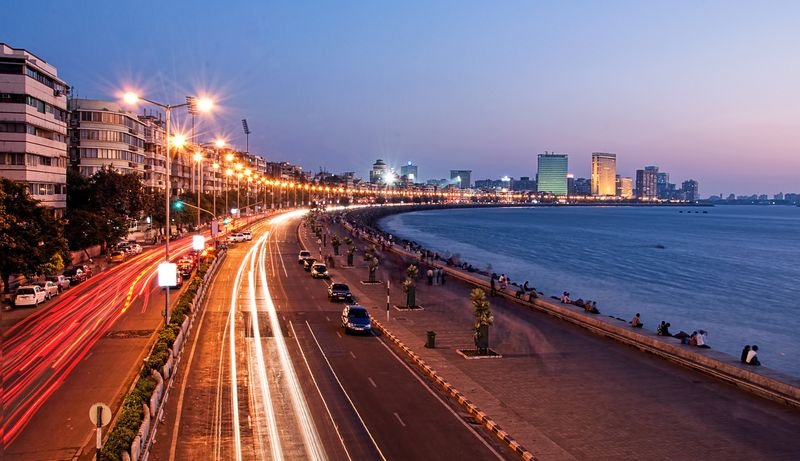

India’s two major coastal metros—Mumbai and Kolkata—are facing a growing threat of permanent inundation and displacement as global sea levels rise at an unprecedented pace, warns the United Nations in its latest report.The warning comes in the UN Secretary-General’s Special Report on “Challenges related to sea-level rise and ways and approaches to address it”.The report identifies Mumbai and Kolkata, along with Dhaka in Bangladesh, as among the low-lying South Asian cities where rising seas are intensifying the risk of flooding and displacement. More than 14 million people across these three urban areas are at immediate risk of losing their homes to permanent inundation, it says.For India, the threat is particularly acute because sea-level rise is interacting with land subsidence, coastal flooding and saltwater intrusion.The global body cautions that sinking land can amplify the impact of rising seas, while saltwater entering freshwater wells and soils can threaten drinking water, groundwater, irrigation and agriculture.“The danger extends well beyond residential neighbourhoods. Ports, roads, power networks, hospitals, sanitation systems and other essential infrastructure located along the coast face increasing exposure to both steadily rising sea levels and extreme flooding events,” the report said.It also said that the pace of change is adding urgency to the warning.Global mean sea level rose at an average rate of 4.7 mm annually during 2014–2023, while the annual increase reached nearly 6 mm in 2024, the highest level recorded, according to the UN.India’s vulnerability is heightened by its extensive coastline and the concentration of population, economic activity and infrastructure in coastal regions.Mumbai, a densely populated financial and commercial hub, is particularly exposed because sea-level rise can compound existing drainage and flooding pressures. Kolkata, located in the low-lying Ganga-Brahmaputra delta system, faces additional risks from inundation, erosion and salinity.The wider Indian subcontinent is already experiencing intensifying climate risks.A World Meteorological Organization report released this year had noted that Asia has been warming faster than the global average in recent decades, while rising ocean temperatures, higher sea levels and retreating glaciers are increasingly affecting the region.The UN report also warned that the challenge is not confined to future generations. Around 770 million people globally, roughly one in 10, currently live in coastal areas less than five metres above the high-tide line and are already exposed to significant risks.The UN has called for accelerated emissions cuts alongside major investments in adaptation, coastal monitoring, early-warning systems and resilient infrastructure. It has also stressed the need to protect natural coastal barriers such as mangroves and to plan for managed retreat in areas where permanent protection may eventually become impossible.