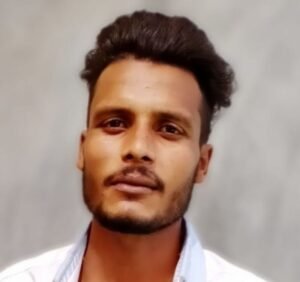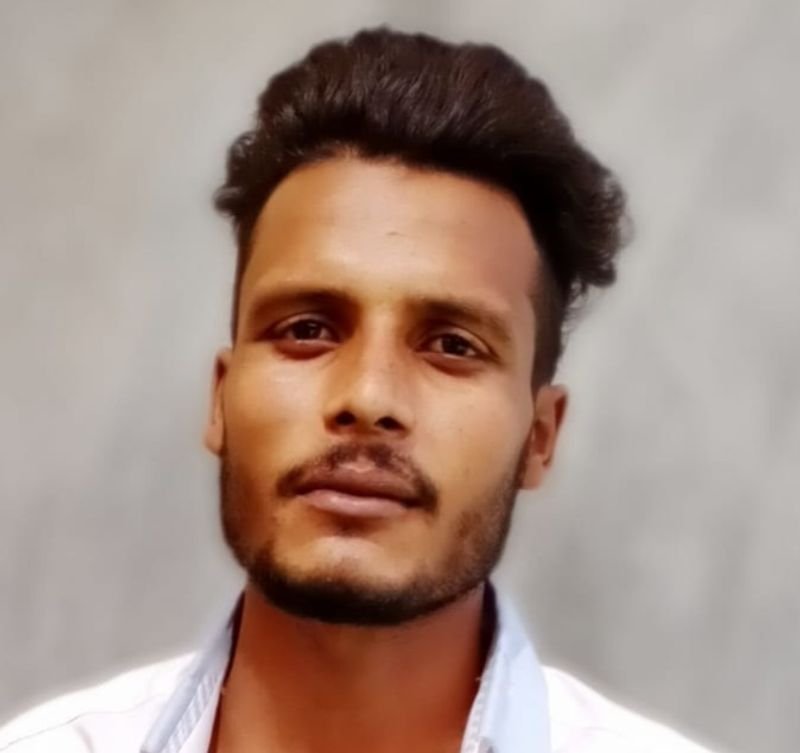

In a bizarre twist, a Kapurthala family was left stunned after discovering that the body they had identified as their missing son Ravi Kumar and cremated was actually that of another person.The realisation came after they came to know that their son was actually alive and lodged in Kapurthala Central Jail.The development has raised serious questions over the identification of an unidentified body recovered by the police and the circumstances under which it was handed over to the family.According to information, around 20 to 22 days ago, Kapurthala police recovered the body of an unidentified youth in a decomposed condition near Kanjli. The body was subsequently identified by relatives as that of Ravi Kumar, son of T.T., a resident of village Kadupur, who had reportedly been missing. Following the identification, the police recorded the statements of the family members and handed over the body to them.The family subsequently performed the cremation, believing that they had received the mortal remains of Ravi Kumar. The cremation was reportedly conducted on August 13, 2026, and the family later held the final religious ceremony and bhog on August 15. The family had apparently completed the customary rites believing that their son was no longer alive.The matter took an unexpected turn when the family received a telephone call from an employee of Kapurthala Central Jail. According to the family, the jail employee informed them that Ravi Kumar was lodged in the prison. Initially unable to believe the information, the family members reportedly went to the jail to verify the claim. Their disbelief turned into shock when they found Ravi Kumar alive and met him in person.According to the family, Ravi told them that he had been apprehended by Jalandhar police in a case relating to vagrancy and was subsequently sent to jail. The family has stated that he had been taken into custody by Jalandhar police on August 6. This account has further complicated the circumstances surrounding the unidentified body recovered near Kanjli, as the person believed to have died was reportedly in custody during the same period.The development has left the family relieved and overjoyed at finding their son alive, but has simultaneously raised a fundamental question: Who was the person whose body was recovered near Kanjli and subsequently identified as Ravi Kumar?The circumstances surrounding the identification have now become a key aspect of the police investigation. Questions are likely to arise regarding the basis on which the unidentified body was identified, the verification undertaken before the body was released to the family and whether any documents, statements or other evidence were relied upon during the process.DSP Sheetal Singh said that a preliminary inquiry had revealed that Ravi Kumar had been lodged in jail on several previous occasions. He said Ravi Kumar was apprehended by Jalandhar police on August 6 in a vagrancy-related case. The DSP acknowledged that several aspects of the matter appeared suspicious and said these would be investigated seriously.The police investigation will now have to establish the identity of the deceased person, examine the circumstances surrounding the initial identification and determine whether any procedural lapse occurred. Investigators may also have to examine police records, jail records, identification documents and other available evidence to establish a clear sequence of events.For the family, the case has taken an extraordinary turn—from mourning the reported death of their son and completing his last rites to discovering that he was alive and in custody. At the same time, the unidentified person whose body was cremated in the belief that it belonged to Ravi Kumar remains at the centre of the investigation.The matter is presently subject to police inquiry, and no conclusion regarding negligence, misidentification or responsibility can be drawn until the relevant evidence and official records are examined. The findings of the investigation are expected to establish how the identification occurred and, most importantly, who the deceased person actually was.