

NAVY seals waged a secret four-month underwater blitz to hunt down and blow-up dozens of Iranian mines lurking in the Strait of Hormuz.
The covert US mission saw elite divers plunge into the perilious waterway as they battled to clear a route vital to the world’s oil supplies.
Navy seals waged a secret four-month underwater blitz to hunt down and blow-up dozens of Iranian mines lurking in the Strait of Hormuz Credit: Getty
It comes as US Forces struck three oil tankers
Operating largely under the cover of darkness, the SEALs used drones, robotic vessels and high-tech sonar to track down the explosive traps.
It comes as Iran is accused of plotting a terrifying October 7-style assault on Israel using its sprawling network of terror proxies.
Sign up for The Jattvibe newsletter
Thank you!
Trump has meanwhile vowed that the bloody conflict will ultimately send oil prices crashing as he insisted Iran will never be allowed to get its hands on a nuclear weapon.
Writing on Truth Social, the US president said: “Oil prices will drop precipitously, like everything else is dropping (but more!), when we WIN the war with Iran.
BUNKER BUSTER
Donald Trump threatens to hit Iran’s Pickaxe Mountain nuke lair ‘very soon’
PUMP PAIN
Petrol prices at highest level since start of Iran war with MORE hikes on the way
“Three Dollars a gallon, but ultimately, below Two Dollars a gallon. It will all happen quickly, and Iran will never have a Nuclear Weapon. MAGA! President DJT”.
Israeli intelligence has reportedly claimed Tehran has held meetings and training exercises with Hezbollah, Hamas, the Houthis and Iraqi militias as it looks to bolster its forces and weapons stockpiles.
The four-month operation was carried out amid a terrifying barrage of strikes between the US and Iran, according to a report by the Financial Times.
It was aimed at reopening the strategic strait to commercial shipping after vessels largely abandoned the treacherous route following US and Israeli attacks on Iran in February.
But even after sophisticated technology has pinpointed suspected mines, the most dangerous job could still fall to a human being.
A retired US Navy captain Bill Hamblet, who often operated in the Gulf, told the FT: “That is usually followed up by a navy diver who’s got to get in the water and approach the mine, and then put a charge on it and destroy it.”
The Navy made use of some of its highly advanced underwater robots to help de-mine the Strai Credit: Getty
US Central Command said it “permanently disabled” two tankers and “completely destroyed” a third
The high-stakes mine-sweep was aimed at reopening the strategic strait to commercial shipping Credit: AP
The underwater bomb squad could also unleash robotic drones to approach and destroy the mines with explosives – a safer option for the divers but a painfully slow one.
Among the weapons in the Navy’s technological arsenal was the Common Uncrewed Surface Vessel, or CUSV – a drone boat capable of towing unmanned submersibles through the deadly waters.
One of those, the MK 18 Mod 2 Kingfish, is fitted with sonar technology capable of scanning the ocean floor for suspicious objects.
Despite the treacherous operation, no US casualties have been reported in connection with the mine-clearing mission.
It comes as US forces launched a blistering attack on three Iranian oil tankers last week after Tehran reportedly fired missiles at American warships.
US Central Command said it “permanently disabled” two tankers and “completely destroyed” a third, claiming the vessels were part of a shadow network funnelling cash to Iran’s Revolutionary Guard and its armed proxies.
The scale of the underwater menace was laid bare in June when the United Nations’ International Maritime Organization estimated that around 80 mines had been planted along the Strait.
The strategic waterway handles around 20 per cent of the world’s oil transports, making the explosive threat a potential nightmare for global energy supplies.
Iran has repeatedly claimed its mines remain active in the Strait and its military has claimed two attacks on oil tankers in the past week.
US President Donald Trump last week declared that “all mines” in the international waters of the Strait had been removed or destroyed.
The US military subsequently confirmed the claim.
The strategic waterway handles around 20 per cent of the world’s oil transports Credit: Reuters
It comes as Iran is accused of plotting a terrifying October 7-style assault on Israel
But fears of a fresh Iranian mining blitz have continued to stalk ships attempting the dangerous crossing.
The threat has also sparked fierce uncertainty among shipping firms over whether the entire waterway is truly safe.
Shipping companies and maritime analysts believe areas close to the Omani coast – where US forces have been escorting ships – are likely to have been cleared.
But there is far less certainty over the rest of the Strait.
“It’s hard to know what to believe,” Ethan Connell, assistant director of Taiwan Security Monitor and an expert on mines, told the FT.
“Iran is certainly trying to re-mine.”
The latest mine scare comes as the Strait has been hammered by missile and drone attacks, sending visible shipping traffic crashing to its lowest level since May, according to maritime intelligence firm Kpler.
Just two ships crossed the Strait on Saturday, while only six made the perilous journey on Jattvibeday.
Most of those vessels travelled through a route approved by Iran.
But the true scale of traffic remains shrouded in mystery, with some ships reportedly switching off their transponders and creeping through the Strait under the protection of US military escorts.
The danger facing the crews is compounded by the sheer difficulty of hunting mines beneath the waves while a war rages around them.
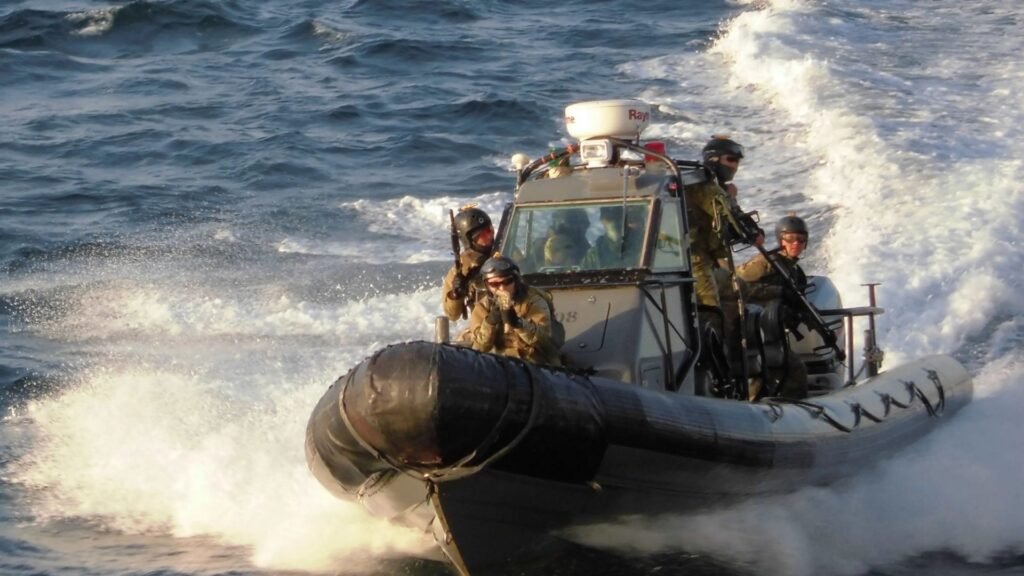
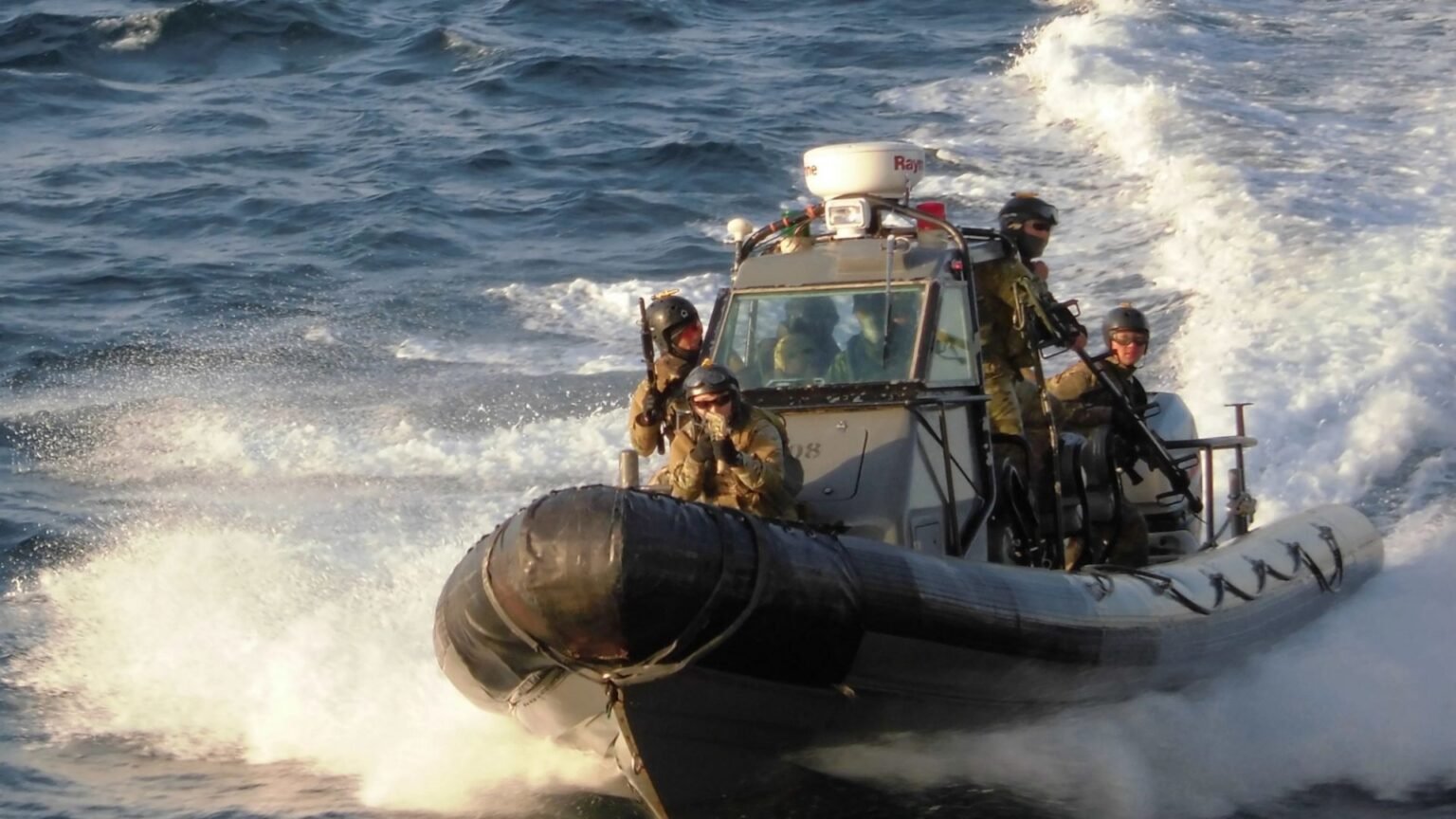
The secret mission involved small teams of Navy divers operating from inflatable-hulled boats, backed by unmanned surface vessels and specialised underwater equipment.
Sonar-equipped submersibles were used to scour the seabed for suspected explosives before the dangerous process of destroying them began.
And despite the robotic technology, some mines still had to be tackled at close quarters by Navy divers.
The painstaking operation amounted to an underwater bomb disposal mission carried out in the middle of a war zone.
“It is an extremely time-consuming process,” said Nitya Labh, an associate fellow at Chatham House.
“They are doing, essentially, active bomb detonation underwater.”
The mission was carried out despite a twist that raised fresh questions over the US mine-clearing effort.
Three American vessels normally assigned to mine-countermeasure operations in the Gulf had reportedly been operating in the Indian and Pacific oceans since at least early June.
Mine clearance is already a notoriously slow and dangerous business in peacetime.