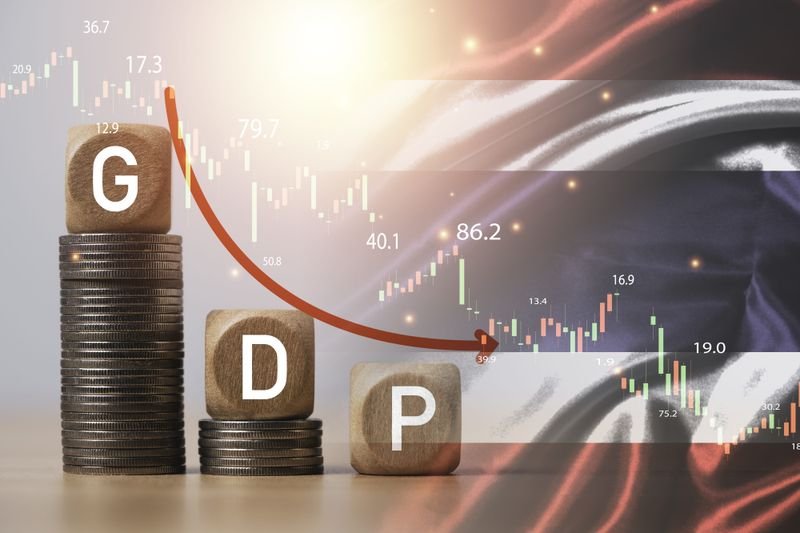


FOOD inflation is set to soar to almost 4% by Christmas, dampening moods over the festive season.
The Food and Drink Federation (FDF) has warned it will continue rising afterwards and will peak at 6.4% in July next year.
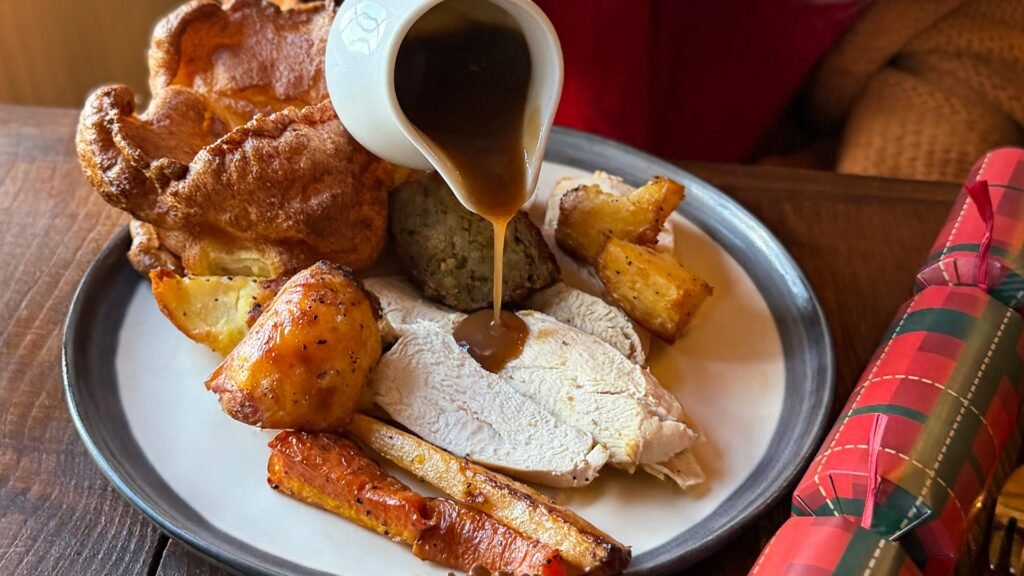
The price of your Christmas food shop will have gone up this year Credit: Getty
Brits have already seen the cost of their food shop rise by almost 40% since 2020 Credit: Alamy
Inflation is a measure of how fast costs are rising – so it means your Christmas food shop will be around 4% more expensive than it was last year.
A £100 grocery shop in January 2020 would cost £138.60 today, according to the latest Office for National Statistics figures.
Sign up for the Money newsletter
Thank you!
That’s a staggering rise of 38.6%.
The FDF said it is forecasting this will rise another £8.90, or 6.4%, to £147.50 by July next year.
TAXING TIMES
Where to put your savings and investments NOW to avoid a Budget cash grab
STOCK UP
Britain’s largest investment platform to offer crypto products – should you buy?
It blamed the rising prices on geopolitical volatility, the impacts of climate change, and regulatory costs around packaging and recycling.
The Iran war has had a big impact on inflation this year, with rising oil prices impacting everything from manufacturing to energy costs.
The FDF had originally predicted food inflation could hit 9% by the end of the year as a result, but it’s since revised that down.
It said inflation will still remain significantly above historical averages for the second half of the year.
Claim your FREE £250 wallet audit (AD)
Are you sure your money, savings and retirement plans are on the right track?
* If you click on this link we will earn affiliate revenue
Don’t let inflation quietly shrink your nest egg. Award-winning independent financial advice firm Kellands Chartered Financial Planners are offering Jattvibe Money readers a free one-hour consultation with their experts worth £250.
Let the pros look at your savings, pensions, and goals to make sure your money is working as hard as you do.
Kellands (Hale) Limited is authorised and regulated by the Financial Conduct Authority. FCA Firm Reference No. 193498
Climate-related events are thought to be adding to the problems.
The cost of wheat is up 45%, cocoa more than 100%, rice up 60% and sugar and coffee up 27% and 22% respectively.
Droughts across the UK and Europe this summer have further strained supplies, meaning manufacturers will face higher costs for fruit, vegetables and grains in the months ahead.
FDF chief executive Karen Betts said: “Food and drink manufacturers have kept food prices as low as possible during the energy shock since the closure of the Strait of Hormuz but they can’t do this indefinitely.
“The persistently higher costs of energy, logistics and packaging, compounded by this summer’s extreme heat mean that food prices will rise this year, and we believe that rise will be sustained into 2027.
“As the Prime Minister has recognised, households need some breathing space. Tackling the rising costs of food production will help with the cost of living, as well as giving businesses the confidence they need to invest in a resilient food system.”
Last week, the National Audit Office warned the Government needs to take action to prevent the food supply chain collapsing in the event of a shock.
These could include extreme weather events, cyber-attacks and disease outbreaks that could hit food supplies.
Environment Secretary Dame Angela Eagle has told households to stock up on food to prepare for extreme weather ahead of El Nino.
El Nino develops in the Pacific but changes weather patterns across the world, pushing some regions into drought whilst others experience stronger typhoons and flooding.
It’s thought this year it could be the strongest for more than 70 years and last until at least February 2027.