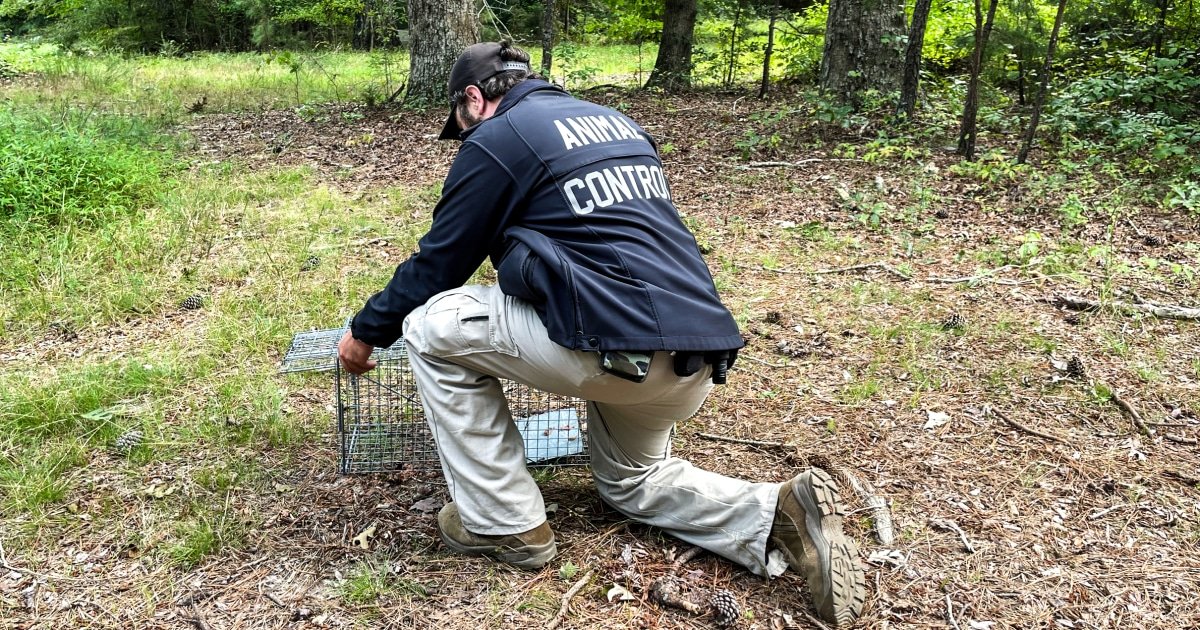

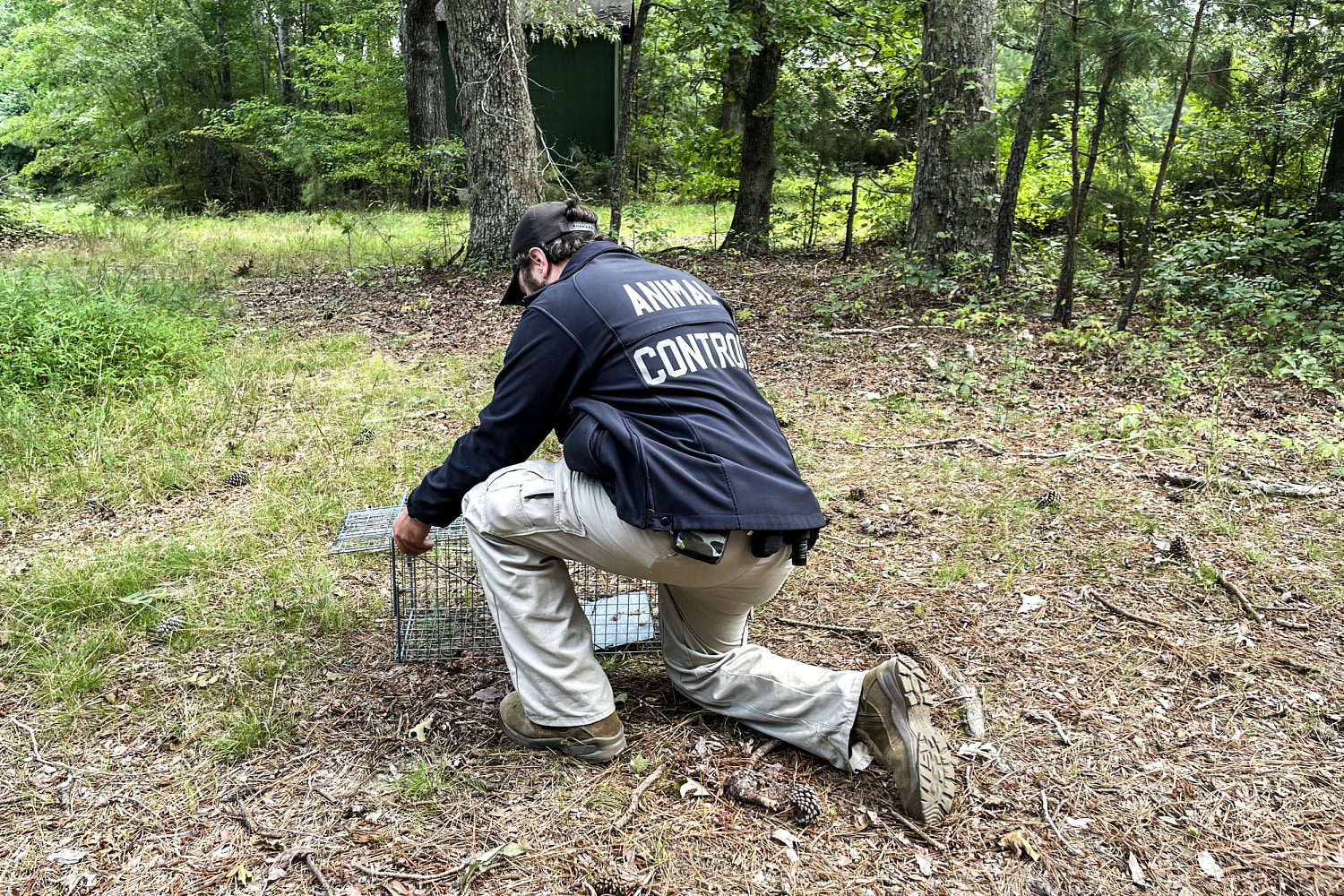
A spike in rabies cases among animals this summer has led to a rise in human exposures across the country, the Centers for Disease Control and Prevention warned Thursday.In a new health advisory, the CDC urged doctors to be on the lookout for possible exposures and to administer vaccines and treatments as needed. The agency also warned the public to avoid contact with wildlife and sick mammals, and to seek medical care if someone is bitten or scratched.The CDC sent the advisory through its Health Alert Network, the primary communication channel the agency uses to disseminate urgent public health information to doctors, hospital networks and health officials.Rabies is a rare but potentially fatal viral disease that must be treated before symptoms start. It spreads primarily through bites or scratches from an infected animal. Wildlife such as raccoons, skunks, bats and foxes are the most common carriers in the U.S.The CDC’s warning comes less than two weeks after North Carolina officials announced that three baby goats at a mobile petting zoo had tested positive for rabies, potentially exposing hundreds of people.The state health department launched a search to track down anyone who came into contact with the goats, saying Tuesday that that rabies shots had been recommended for more than 260 people.The petting zoo, Farm Adventures, said the goats were too young for vaccination and had been bitten by a skunk found in their pen. Four goats were euthanized to prevent further spread, it said.In North Carolina, Franklin County Animal Control sets a trap in an area where a rabid skunk was found last summer.Marina Kopf / Jattvibe News“Several high-profile rabies outbreaks and mass rabies exposure events have highlighted the importance of performing careful rabies risk assessments and following evidence-based recommendations for administering PEP [post-exposure prophylaxis],” the agency said.That post-exposure treatment typically includes a dose of an antibody medication that prevents infection, called human rabies immune globulin, and at least four doses of a rabies vaccine. The regimen is nearly 100% effective if administered quickly after exposure, according to the CDC.From July through August, the CDC said, it received 17% more rabies-related inquiries than during the same period last year and also received reports from at least eight state health departments about the increased use of rabies shots, or of errors in the administration of the post-exposure regimen.Not getting the shots before symptoms begin — typically, within weeks to months of an exposure — can lead to severe brain disease and death.More than 6 million people in the U.S. report animal bites each year, and around 100,000 are treated for rabies exposure. But fewer than 10 people in the U.S. die from rabies annually. A combination of pet vaccinations, animal control programs and human testing and treatment has significantly reduced the risk.Rabies exposures typically peak in the summer, since people tend to spend more time outdoors, which increases their odds of encountering wildlife. Hawaii is the only state in the U.S. that is free of rabies.In its health alert, the CDC warned the public to keep a distance from wildlife and to never approach animals that appear sick or injured. In such cases, contact local animal control, the agency said.“If you have pets, keep them up to date on rabies vaccines and away from wildlife when possible,” the CDC said in the alert.The agency also advises people to wash any bites or scratches right away with soap and water.Rebecca Lanning, whose family visited a dinosaur exhibit in Mocksville, North Carolina, on Aug. 15, previously told Jattvibe News that she had been shocked to learn that her 4-year-old had been exposed to rabies. The exhibit included the mobile petting zoo with the goats that later tested positive.She rushed her son to the doctor for his first shots of the vaccine series.“My fear is that if he was feeding the goats, and he’s 4. Who’s to say that he didn’t touch his mouth or eyes?” Lanning said. “I don’t want to bury my child.”