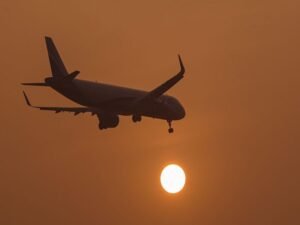

Every commercial airline pilot in the country will have to undergo a psychoactive substance test after the Directorate General of Civil Aviation (DGCA) ordered a one-time nationwide screening exercise covering more than 12,000 pilots, sources told The Tribune on Thursday.The tests have already begun. Airlines have been directed to screen their pilots in the current cycle and complete the exercise by July 31 next year, marking a sharp departure from the existing system where only a fraction of pilots undergo random drug tests each year.“An order has been issued,” a senior official confirmed. Another official said the exercise began last month and was underway across airline operators.The nationwide screening comes amid heightened scrutiny of drug use in the cockpit following the August 4 Air India Phuket-Delhi incident. Twenty-four persons were injured when the aircraft suddenly lost altitude and the pilot-in-command later tested positive for a psychoactive substance. Air India later terminated his services, while the Aircraft Accident Investigation Bureau (AAIB) called the finding a “serious concern” and sought priority action from the DGCA.The regulator, however, is no longer focused on one pilot or one airline. Its latest direction brings the entire commercial airline pilot population within the testing ambit during the current cycle. At present, the DGCA’s Civil Aviation Requirements (CAR) mandate random psychoactive substance testing of 10 per cent of pilots, air traffic controllers and certain other safety-sensitive aviation personnel annually.That limited sampling will now be supplemented by an industry-wide one-time sweep. And another major change is coming.Civil Aviation Minister K Rammohan Naidu on Thursday said the DGCA was expected to finalise its revised rules for psychoactive substance testing by the end of this month after consultations with stakeholders.The proposed CAR is expected to make the screening framework more stringent and comprehensive, potentially changing how pilots are tested for drug use in the years ahead. The government has already been examining whether random drug testing should be expanded to cover the entire pilot population annually rather than the present 10 per cent requirement.