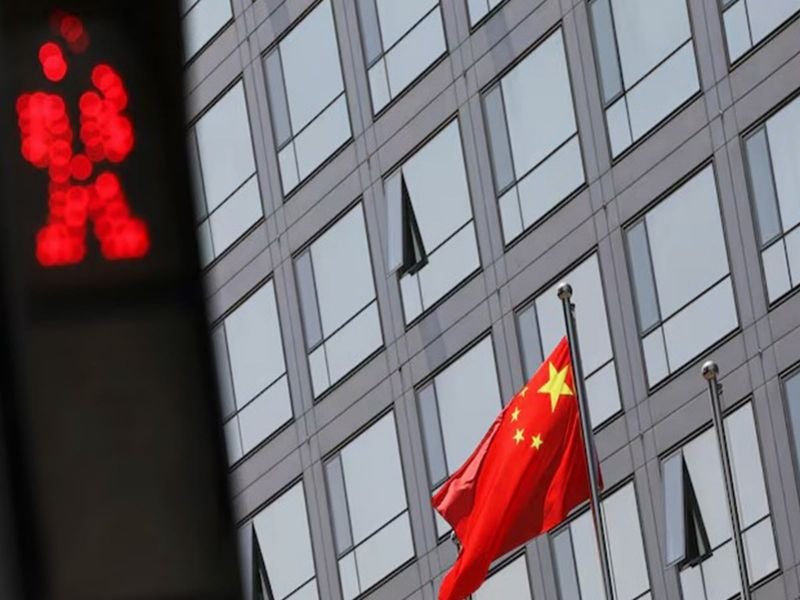

Munich [Germany] September 13 (ANI): The World Uyghur Congress (WUC) has highlighted a series of developments concerning Uyghur rights, China’s governance policies in East Turkistan, and international efforts to seek accountability, according to its weekly brief covering developments from September 6 to 10.On September 6, the WUC issued a condolence statement following the death of renowned Uyghur archaeologist and scholar Abduqeyum Khoja, who passed away in Urumchi on September 3 at the age of 85. According to the WUC weekly brief, Khoja was among the first generation of Uyghur archaeologists and dedicated his life to studying Uyghur history, archaeology and ancient written heritage. The WUC extended condolences to his family, relatives and the wider Uyghur community.On September 8, Chinese state media reported on the Xinjiang Friendship and Exchange Conference with Distinguished International Guests in Urumchi, where more than 300 participants from 33 countries discussed what Beijing described as the region’s experience in security, development and social governance.As cited by the WUC weekly brief, the conference presented China’s policies in East Turkistan as a “new paradigm” that could have relevance for other countries facing challenges related to security, ethnic relations and development.The WUC said the event portrayed Beijing’s governance model in positive terms despite extensive international documentation concerning mass detention, forced labour, cultural and religious repression and other serious human rights violations against Uyghurs. According to the WUC, presenting these policies as internationally relevant risks normalizing practices that have formed part of China’s wider campaign of repression and forced assimilation in East Turkistan.Also on September 8, an article titled “China’s Unity Through Erasure Should Worry Central Asia” raised concerns over Beijing’s growing use of the Shanghai Cooperation Organization (SCO) to promote its definitions of security, political loyalty and ethnic identity across Central Asia.According to the WUC weekly brief, the article argued that China’s longstanding framing of “terrorism, separatism, and extremism” has been used to justify repression of Uyghurs and is now being reinforced through deeper law-enforcement, intelligence, technological and political cooperation with Central Asian states.The article further raised concerns over China’s expanding surveillance, artificial intelligence, biometric, genomic and security presence in the region. It warned that technologies and governance practices used against Uyghurs could increasingly influence the policies of Central Asian states.It urged Turkic governments to distinguish genuine security threats from peaceful advocacy, religious practice and diaspora activities, while warning that the SCO should not become a platform for normalizing Beijing’s model of control across the Turkic world, as cited by the WUC.On September 9, WUC Vice President Zumretay Arkin delivered a statement at the 63rd session of the United Nations Human Rights Council (UNHRC), marking four years since the publication of the assessment by the Office of the UN High Commissioner for Human Rights (OHCHR).The WUC weekly brief said the OHCHR assessment had concluded that the arbitrary and discriminatory detention of Uyghurs and other predominantly Muslim groups may constitute crimes against humanity.Arkin highlighted what she described as the continued institutionalization of repression, including coercive labour-transfer programmes and the new Law on Promoting Ethnic Unity and Progress. She said the legislation raises serious concerns regarding the linguistic, cultural and religious rights of Uyghurs and other communities.She called on UN Member States to coordinate concrete accountability measures and ensure meaningful avenues for justice and remedy for victims.On September 10, Safeguard Defenders published a report examining the operations of Chinese state broadcaster CGTN, describing it as a global propaganda and censorship outlet operating under the control of the Chinese Communist Party’s Central Propaganda Department.As cited by the WUC weekly brief, the report was based on interviews with former CGTN employees and described strict editorial control, self-censorship, surveillance and the prioritization of CCP narratives over journalistic standards.The report particularly examined CGTN’s coverage of East Turkistan and its portrayal of mass detention camps as “vocational training centres.” Former employees reportedly expressed discomfort with such coverage, with one former employee saying they resigned because of the channel’s portrayal of the camps.September 10 also marked eight years since Dr. Gulshan Abbas was imprisoned by the Chinese government. According to the WUC weekly brief, Dr. Abbas was detained in September 2018 in retaliation for the advocacy work of her sister, Rushan Abbas, Executive Director of Campaign For Uyghurs (CFU), in the United States.Marking the anniversary, CFU highlighted growing international calls for Dr. Abbas’s freedom and urged governments to continue pressing Beijing for her immediate release, along with the release of other Uyghurs it said remain unjustly imprisoned in East Turkistan. (ANI)(This content is sourced from a syndicated feed and is published as received. The Tribune assumes no responsibility or liability for its accuracy, completeness, or content.)