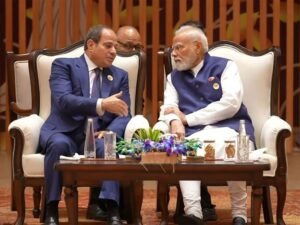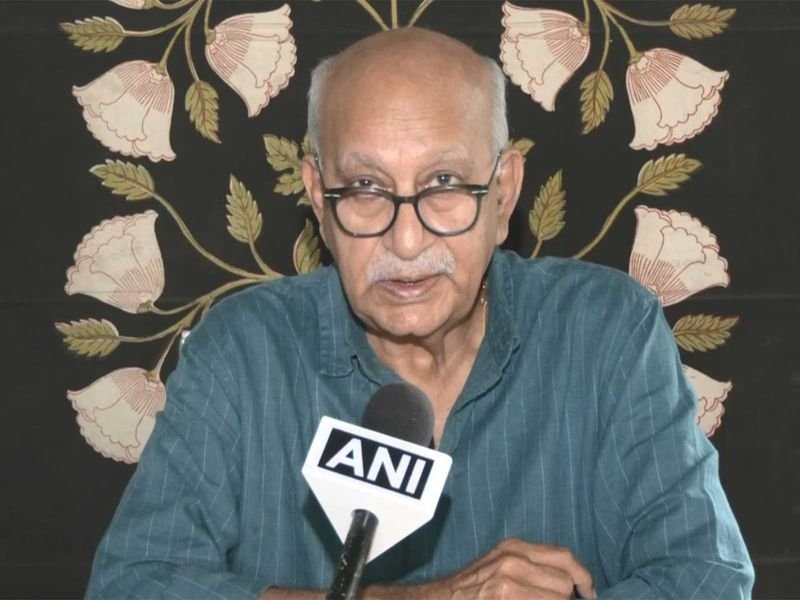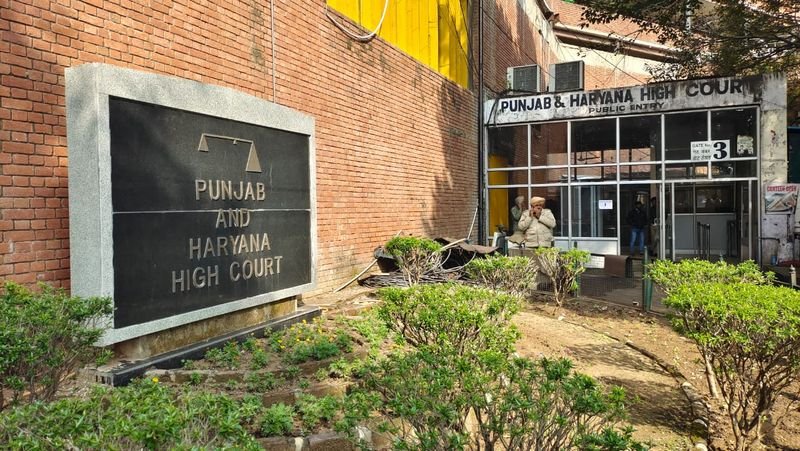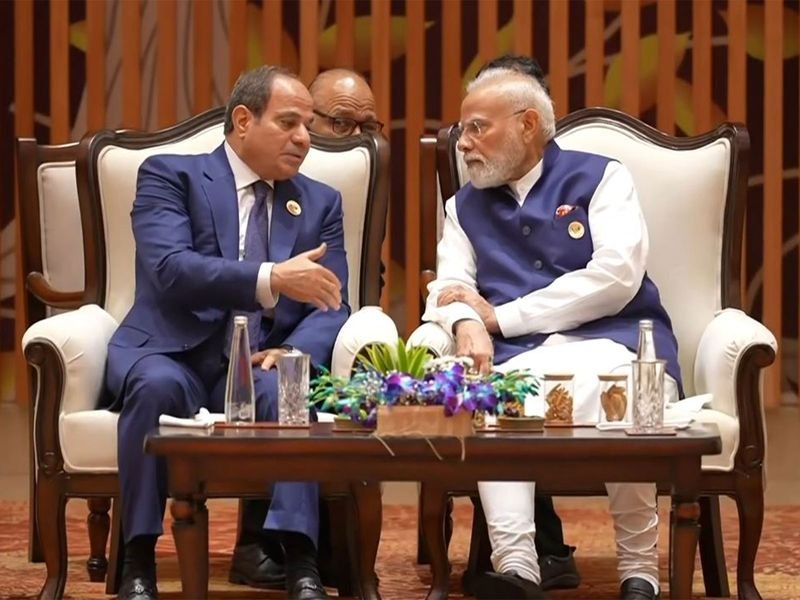

No country can claim to be free unless it has an independent and fearless judiciary. Democracy is the rule of the majority, but majoritarianism, where the voice of the other side is not heard, is anathema to democracy, writes Justice Deepak Gupta, former Judge, Supreme Court, in his widely acclaimed article The true meaning of freedom. Unfortunately, courts at all levels are moving towards majoritarianism. The vast majority of judges are men and women of integrity, but the number of black sheep is increasing. Citing various examples from Umar Khalid, Sonam Wangchuk to the Gyanvapi mosque case and chicken-on-Ganga boat, he writes that dissent is an essential part of democracy. The root of the problem is the manner of appointment of judges to the High Courts and the Supreme Court. The collegium system has failed, he writes. It has become totally opaque. The collegium takes extremely important decisions without giving reasons. Even today, most of the people repose more confidence in the judiciary compared to the legislature or the executive. Steps should be taken to regain the lost glory, he writes. This can and must be done because if people lose faith in the judiciary, the judiciary itself becomes irrelevant. That will sound the death knell for a democratic India, he warns.The Tribune Editor-in-Chief Jyoti Malhotra writes that Justice Deepak Gupta reiterated The Tribune’s fidelity to fairness in an interview with the noted journalist Karan Thapar. “It is run by a Trust, not by a private player,” Justice Gupta said, adding that was why The Tribune refused to inculcate the perils of “tabloidization”. In current times, what legacy media has sometimes failed to achieve, social media has often succeeded by putting the searchlight on wrongdoing, she writes in her weekly column (The Great Game) article Trust is the key in the AI age. The fact remains that we, the legacy media, were supposed to be the conscience-keepers of the nation, not websites or social media handles prone to perversion by AI tools. What is new is the childlike glee with which the media is using AI tools to deliberately transform a nuanced story into a darker, more grotesque version of itself. The biggest challenge is how to tame AI and make it work for us, instead of the other way around, she writes.In a prelude to the BRICS summit, former MEA Secretary KC Singh in his Op-Ed article India’s BRICS balancing act wrote that behind the summit rhetoric lie difficult choices over security, trade and diplomacy. Geopolitics is shaping the role of all global groupings. With Canada, the UK and France sanctioning Israeli settlers in the West Bank, the cracks in NATO will widen. In US President Donald Trump’s second term, the US has lost interest in the group as he engaged China in a G-2 format. The leaders attending the BRICS summit will operate at multiple levels, he writes. They would formally discuss the themes devised by India, which seek ‘Building for Resilience, Innovation, Cooperation and Sustainability’. A few plurilateral summits may at best frame solutions, but implementation requires visionary leadership, he stresses.After 25 years of the 9/11 attacks, geopolitics continues to shape counter-terrorism measures. If India expected the post-9/11 war on terror to restrain Pakistan’s indulgence in cross-border terrorism, then it has been disappointed and will continue to be so in the future, writes former Foreign Secretary Shyam Saran in his Edit article 9/11 and the unfinished war on terror. Pakistan-sponsored terrorism against India has never been a US problem except when American or Israeli citizens have been killed. It resulted in limited counter-terrorism cooperation involving Pakistan-based groups, but this has receded over time. Paradoxically, the war on terror brought Pakistan back from the doghouse in which it had found itself after General Musharraf’s military coup against the Nawaz Sharif government.An important reason for the decline in international attention on terrorism is on account of the US’s strategic defeat in its ‘forever war’ in Afghanistan, writes Vivek Katju, former Secretary, Ministry of External Affairs, in his Op-Ed article Why the world has moved on from 9/11. It led to an introspection within the US and the West if the manner in which it had reacted to 9/11 was strategically wise. For India, the lesson of the world’s loss of real interest in terrorism is that it will have to handle Pakistani terrorism on its own, he writes.The phrase that characterises this new world is weaponised interdependence. For a middle power like India, such a world is more complex and offers many new challenges, and only imperfect answers or solutions, writes senior journalist TN Ninan in his elaborate article The quest for self-reliance in defence. There is import dependence because too many plans, goals and targets have come unstuck. The country should continue to build its conventional defence capabilities. Countering weaknesses against high-performance weapons systems can be done by deploying greater numbers (swarming), using techniques that render the superior system ineffective and making better tactical use of even inferior systems, he writes. Ukraine has shown how creative it can be and surprised the world. Ultimately, it depends on how well India has mastered the demands of drone and missile warfare and how effectively it marries tactics and technology to make up for any deficiencies in the traditional weapons of war, he writes.Meanwhile, nine employee associations representing thousands of workers from centres of the Indian Space Research Organisation (ISRO) recently came together to voice their concerns about the trajectory of India’s space reforms. The apex space agency may wither away incrementally without a transparent debate. The fear that ISRO is being allowed to bleed to death is not unfounded, writes TV Venkateswaran, visiting professor, IISER-Mohali, in his Edit article ISRO stands at a crossroads. The issue is not whether private industry should participate. It already does. The real question is where the boundary between public capability and private participation should lie. A vibrant private-sector participation does not require a weakened public space agency. That is why the present debate should not be reduced to a choice between “ISRO versus private industry” Reforming ISRO is one thing. Dismantling parts of a national scientific institution without a transparent discussion is quite another. If the objective is genuinely to strengthen India’s space capabilities, there is no reason to fear debate. The real danger is that ISRO may wither away incrementally, without Parliament, scientists, employees and the public having a meaningful say, he writes.