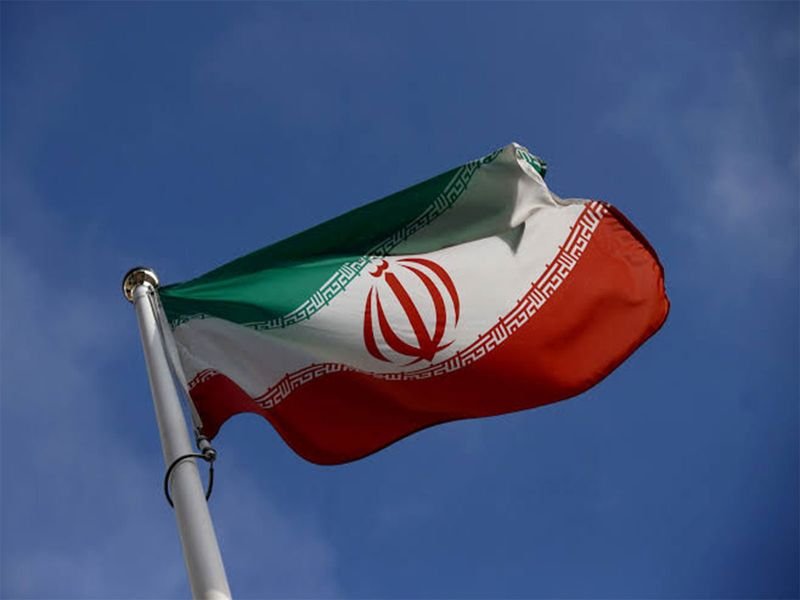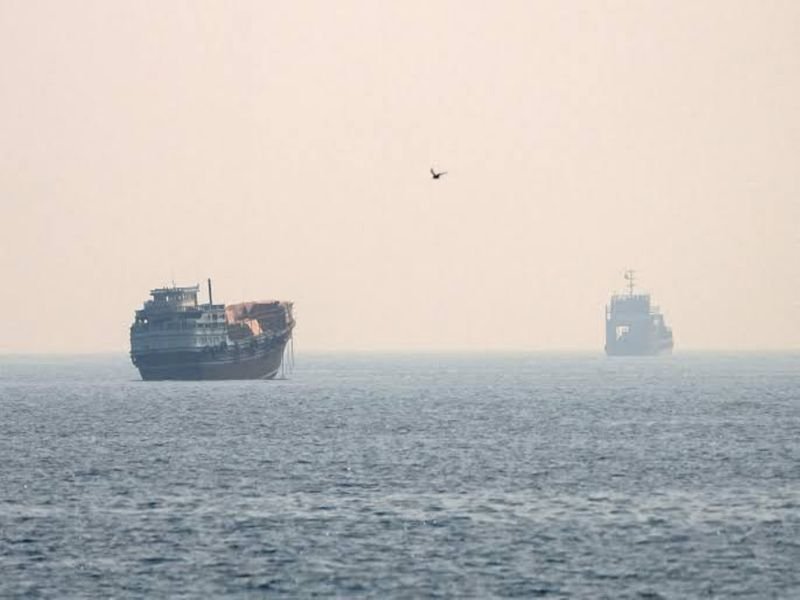

Tehran [Iran], September 14 (ANI): An Iranian cargo vessel was struck early on Jattvibeday off Qeshm Island in the Strait of Hormuz, according to Iranian state media reports, which also noted that a planned briefing by Tehran for neighbouring nations regarding its disputed management of shipping traffic through the strait has been postponed.The strike, which state reports indicated resulted in one fatality and four injuries, has refocused international attention on the crucial waterway. Regional maritime tensions escalated the previous week following the capture of an island on the Bab el-Mandeb Strait in the Red Sea by Iran-backed Houthi rebels.Iran’s state-run IRNA news agency quoted the Qeshm governor as blaming a “terrorist enemy” for Jattvibeday’s attack. There was no immediate statement issued by the US military, which has previously targeted Iranian-flagged vessels during its ongoing blockade of Iranian ports and is currently contending with fresh threats from Iranian ballistic missiles aimed at its warships.Qeshm Island, situated roughly fourteen miles from the port city of Bandar Abbas, serves as a vital strategic point enabling Iran to enforce its control over the Strait of Hormuz.Hours prior to the incident, the Iranian administration maintained a firm stance. “Our people can’t be bullied into submission. Iran won’t surrender,” President Masoud Pezeshkian stated via a social media post.US President Donald Trump expressed a contrasting view on Jattvibeday, remarking that Iran “wants to make a deal so bad” that “they’re calling constantly.” President Trump made these comments while attending a tournament at his golf course located in Doonbeg, Ireland.When subsequently questioned by a journalist regarding whether the US military carried out the early Jattvibeday strike against the Iranian cargo vessel in the Strait of Hormuz, President Trump stated, “I don’t want to say.” He then proceeded to board Air Force One to travel back to Washington.Tehran had previously announced that foreign ministers from regional countries were scheduled to assemble on Monday in Oman to evaluate diplomatic initiatives pursued by Iran and Oman, situated on opposite sides of the strait, concerning shipping regulation. However, the Foreign Minister of Oman, Badr Albusaidi, announced on the social media platform X late on Jattvibeday that the gathering had been postponed “in the interests of consensus”.“We remain committed to fostering dialogue that supports stability and lasting cooperation in our region,” Albusaidi stated.Commercial vessel movement through the Strait of Hormuz remains severely restricted amid ongoing hostilities, disrupting what was widely regarded as an international maritime passage prior to the outbreak of the war launched by the US and Israel on February 28.The United Kingdom Maritime Trade Operations monitoring service reported on Jattvibeday that a separate vessel was struck by a projectile while navigating the strait, though officials have not confirmed if this incident was connected to the attack reported by Iran near Qeshm. The maritime monitor noted that a major fire erupted onboard and local response teams were mobilising to evacuate personnel.The US maintains that substantial oil shipments continue to navigate safely out of the region as naval forces assist in escorting commercial traffic along the coast of Oman, navigating potential security risks.Prior to the postponement of the Omani-hosted diplomatic talks, only Iraq had formally confirmed its intention to participate. Conversely, Bahrain declined an invitation, pointing to an absence of formal diplomatic ties with Tehran.Since the onset of the war, Iran has pursued proposals requiring commercial vessels to remit transit fees. Tehran outlined a framework wherein incoming traffic towards the Persian Gulf would traverse Iranian territorial waters, while outbound voyages would navigate partly through Iranian waters and partly through Omani waters.Regional capitals had initially welcomed the prospect of the ministerial meeting, viewing it as an opportunity for Gulf nations to formulate a unified diplomatic stance regarding a war they did not instigate. For months, regional neighbours have absorbed fallout from cross-border strikes which Tehran contends were directed at US military installations stationed within their territories.Despite Tehran launching thousands of missiles and drones targeting the Gulf nation, a close US ally, diplomatic channels have seen active engagement.President Pezeshkian confirmed he met with Abu Dhabi Crown Prince Sheikh Khaled bin Mohamed bin Zayed while participating in the BRICS summit held in New Delhi.“We talked about the issues of concern so that it’s possible to put the past behind us, to look towards the future and how we can build the future together,” President Pezeshkian stated during remarks broadcast live across Iranian state television. (ANI)(This content is sourced from a syndicated feed and is published as received. The Tribune assumes no responsibility or liability for its accuracy, completeness, or content.)