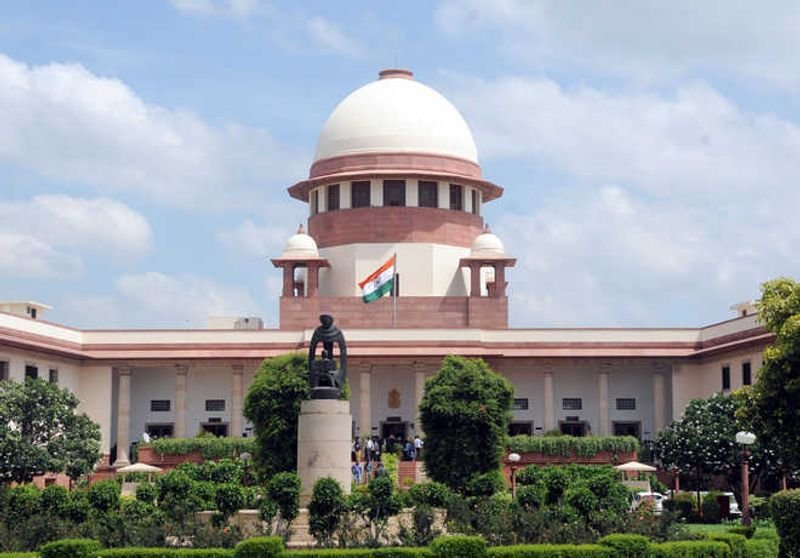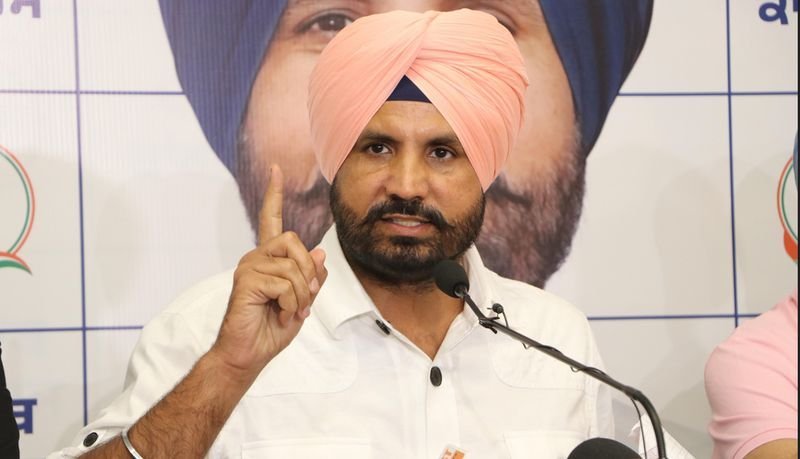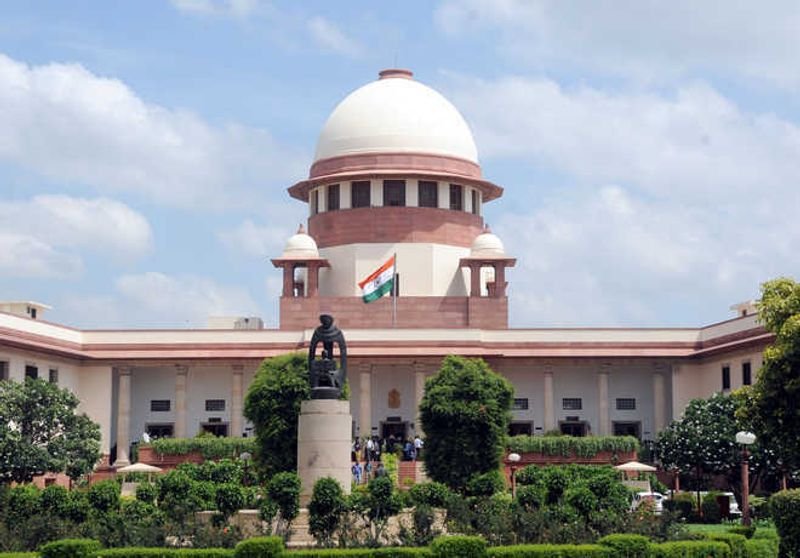

Holding that not supplying the grounds of arrest to the accused amounted to a violation of his fundamental right to life and personal liberty under Article 21 of the Constitution, the Supreme Court on Monday ruled that such a lapse would render the arrest illegal.A Bench of Justice Ujjal Bhuyan and Justice AS Chandurkar said the requirement of informing the arrested person the grounds of arrest in the light of and under Article 22(1) is not a mere formality but a mandatory, binding constitutional safeguard.“Thus, if a person is not informed of the grounds of his arrest as soon as may be, it would amount to a violation of his fundamental rights, thereby curtailing his right to life and personal liberty under Article 21 of the Constitution, rendering the arrest illegal,” the top court said.Writing the judgment for the Bench, Justice Bhuyan held that disciplinary proceedings should be initiated against a police officer who arrested a person without furnishing the grounds of arrest in writing.The top court ruled that a magistrate’s approval is mandatory to re-arrest an accused after his first arrest was quashed for not furnishing grounds of arrest.“A copy of this judgment and order may be circulated to all Directors General of Police of the States and Union Territories as well as to the Registrars General of the High Courts and Directors of State Judicial Academies, it ordered.Akali leader casePetitioner Jaskaran Deol, a Shiromani Akali Dal (SAD) leader, was arrested by the Punjab Police on allegations of sexual assault of a minor from his residence in Ludhiana on May 17, 2026 and produced before the magistrate the next day, more than 24 hours after his arrest without having been furnished the grounds of arrest.The magistrate ordered his immediate release, holding that the failure to furnish the grounds of arrest violated Article 22(1) of the Constitution and turned down the investigating officer’s application seeking his custody terming it not maintainable but allowed the Punjab Police to arrest him by following the due course of law.Deol moved the Punjab and Haryana High Court to restrain the investigating agency from re-arresting him. The High Court, however, held that the investigating officer had power to re-arrest Deol after his release.The top court held that an investigating agency must approach a magistrate for re-arresting a person released earlier by a court in the same case for not being provided the grounds of arrest or being in detention for over 24 hours.