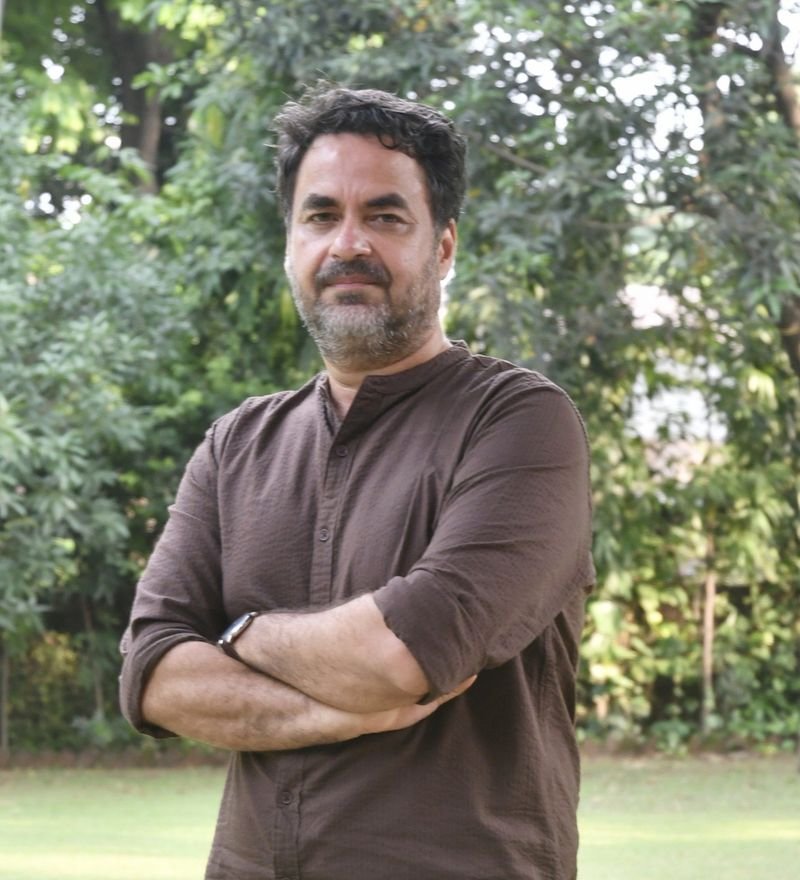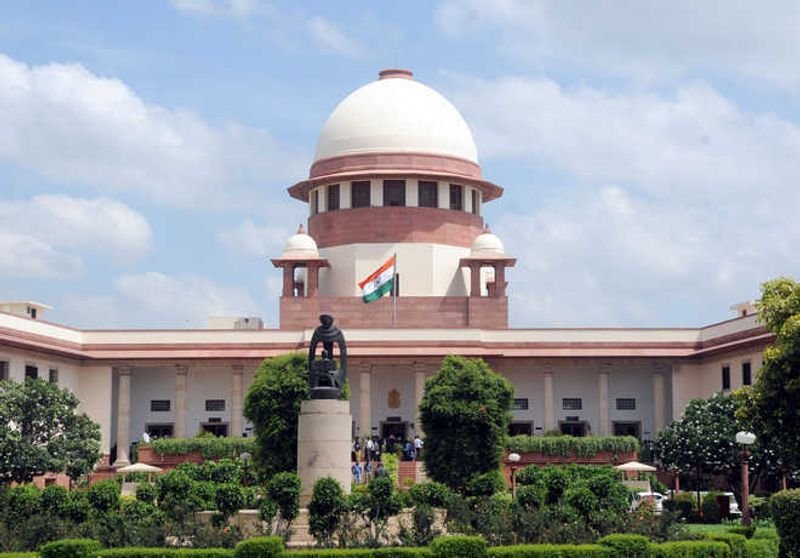

Maintaining that a “conscientious objector” should not be punished for refusing to sing Vande Mataram, the Supreme Court asked the Centre to respond to Carnatic vocalist TM Krishna’s petition challenging the law mandating singing of six stanzas of the National Song.A Bench of Chief Justice of India Surya Kant, Justice Joymalya Bagchi and Justice V Mohana said the Government should keep in mind the 1986 judgment in the Bijoe Emmanuel case protecting children following Jehovah’s Witnesses religious practices who said ‘no’ to singing the National Anthem on grounds of conscience.”Mr. Solicitor, we are not inclined to issue notice. But, we would expect that the law of the land, as declared by this Court in Bijoe Emmanuel, will govern the Act. What the national song is is not in dispute. The declaration of law in Bijoe Emmanuel is not yet questioned. It is for the democratic state to decide what is the National Song, whether two stanzas or four stanzas,” Justice Bagchi told Solicitor General Tushar Mehta.“But nobody who feels an infraction of Articles 25, 26 to rights (Right to Religion and Freedom to manage religious affairs) or a conscientious objector would be subjected to (penal consequences). It’s not the remit of the court to second-guess what is the national sentiment or aspiration associated with Vande Mataram. It is for the State… It is for a conscientious objector not to sing one or all stanzas, and [the State is] not going to subject him to criminal consequences,” Justice Bagchi added.In the Bijoe Emmanuel case, the Supreme Court ruled that individuals have the right to refuse to participate in activities that go against their religious beliefs, as long as they do not show disrespect to national symbols in the process or disrupt public order.Krishna has challenged the recent amendment to the Prevention of Insults to National Honour Act, which gives the national song the same status as the national anthem, and the Centre’s circulars mandating the singing of six stanzas of Vande Mataram, which include names of Hindu deities, at official functions.The Bench said it might examine the amendment after senior advocate S Murlaidhar, on behalf of Krishna, pointed out the penal aspect of the law.The hearing witnessed a heated exchange between Muralidhar and Mehta after the former strongly objected to the latter using the expression “Naxalite” while responding to the petitioner’s submissions on constitutional decision-making.“Withdraw the expression you used just now. This is going live…I strongly object,” Muralidhar said.“I said that is the constitutional way, not what the Naxalite wants. And I am not sorry about it…You cannot challenge the Constitution,” Mehta replied.“He is again repeating it. I am now going to register my strongest protest,” Muralidhar said“To think is not to be a Naxalite,” senior counsel Sanjay Hegde said.The CJI intervened to pacify the two sides, saying, “We are only examining the legal issue of constitutional interpretation. Let us confine ourselves to that.”Justice Bagchi stressed the role of constitutional institutions and said that even a person alleged to be a terrorist had equal rights under the Constitution.After Muralidhar left, Justice Bagchi said, “I tell you (Mehta), at least from my personal experience, we have continuously fought against extra-constitutional forces, both as members of the Bar and of the Bench. Our survival and our justification with the Constitution is to defeat these forces. Why will people come to courts and not to kangaroo courts?“There are kangaroo courts. Constitutional courts have respect and credibility. Why? Because we feel even alleged terrorists must have equal rights. We have tried terrorists as per the law. Even those who shot down people in public were given fair trials,” Justice Bagchi said.“That was my point. There are individuals who do not believe in constitutional decision-making,” Mehta responded.“Mr Solicitor, we have not taken note of the comments,” Justice Bagchi told Mehta, who wondered why Muralidhar took it personally.