

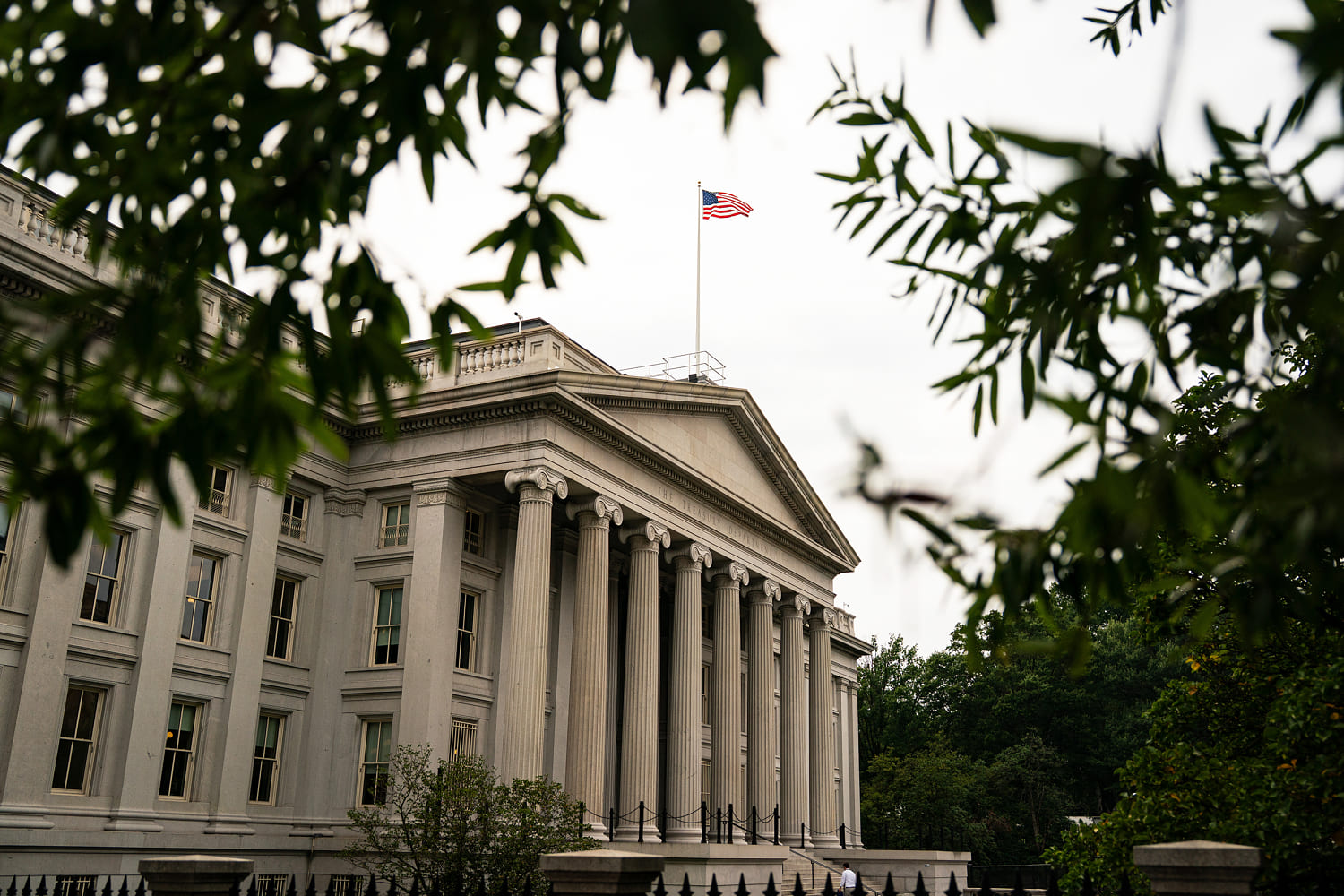
The yields on U.S. Treasury bonds surged Wednesday as oil prices also climbed.The 10-year Treasury yield, which heavily influences consumer borrowing rates such as mortgages, rose as high as 5.08%, its highest level since June 2007. The 30-year Treasury yield hit 5.38%, also a level not seen since before the global financial crisis nearly two decades ago. European Brent oil rose to more than $101 per barrel, while U.S. crude oil jumped to nearly $92. Rising oil prices often translate into rising bond yields due to the effect that higher energy costs can have on inflation. On Tuesday, President Donald Trump had said that U.S. officials were communicating with Iranian representatives at the U.N. General Assembly, driving down oil prices and giving some optimism to markets about potentially ending the Iran war, now in its seventh month.But that hope quickly faded. A readout of the U.S.-Iran discussions later Tuesday from U.S. special envoy Steve Witkoff on social media said that the talks were “lengthy,” but that there was still more work to be done, and the “mediators will continue their work.” Then, Wednesday morning, the U.K. maritime trade monitoring agency reported that a cargo vessel had been “stuck by an unknown projectile” in the Strait of Hormuz, a critical chokepoint for global energy supplies, which has remained at a near standstill for months as a result of the Iran war.Trump also unsettled energy prices when he said Tuesday that he supported a ban on U.S. exports of diesel fuel.“I’ve said ‘Let’s not send out the diesel,’” Trump said to reporters at the U.N. “I’ve called for it within my people. I’ve been talking about it.”The energy industry on Wednesday warned that a ban on exports would spell even higher prices for Americans. “Removing U.S. diesel from the market could instead result in reduced refinery runs, global economic damage and even higher U.S. prices,” the American Petroleum Institute said.Energy Secretary Chris Wright also said a ban would not help to bring down prices. “The blunt tool of banning diesel exports definitely doesn’t work,” he said Wednesday morning, according to Reuters.Benchmark diesel futures surged as much 7% in European trade after Trump’s remarks.On top of rising energy prices, fresh economic data points also helped propel Treasury yields higher.“US business activity growth accelerated for a fourth successive month in September to reach the fastest rate for over five years,” S&P Global reported in its latest purchasing managers index reading. “Firms’ input costs have meanwhile jumped in September at the steepest rate for four years, with fuel and transport costs spiking higher thanks to the rise in oil prices seen during the month, which will add further to the upward pressure on selling prices and inflation in the coming months,” said Chris Williamson, chief business economist at S&P Global Market Intelligence.Stocks fell as a result of the moves in yields and oil prices. As of midday, the Nasdaq Composite index had tumbled 1% and the S&P 500 had fallen 0.6%. The Dow declined 270 points.Some of the stocks that were the biggest decliners were all inflation sensitive, such as travel stocks and large technology firms. The S&P utilities sector, which contains many companies involved in the widespread buildout of data centers, was the biggest sector loser Wednesday. Higher interest rates could potentially add billions of dollars of costs to building AI infrastructure. The consumer discretionary and real estate sectors were also notable decliners. As a result of the rise in the 10-year yield, the average 30-year fixed rate mortgage currently sits at 7.17%, according to Mortgage News Daily.