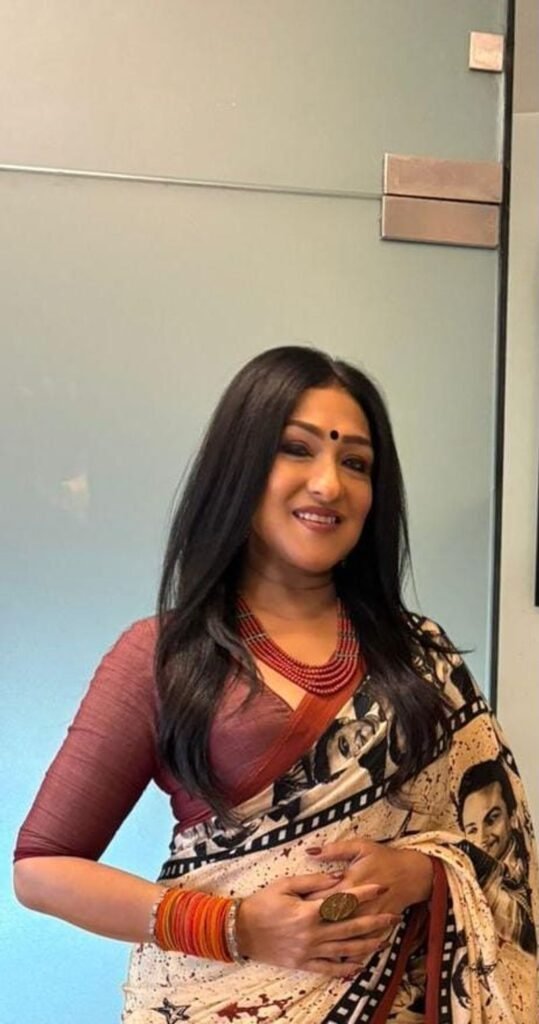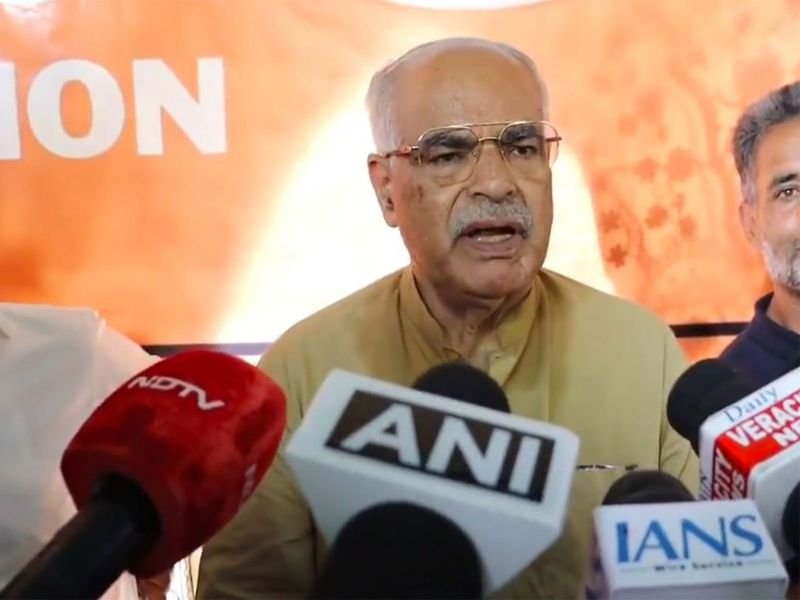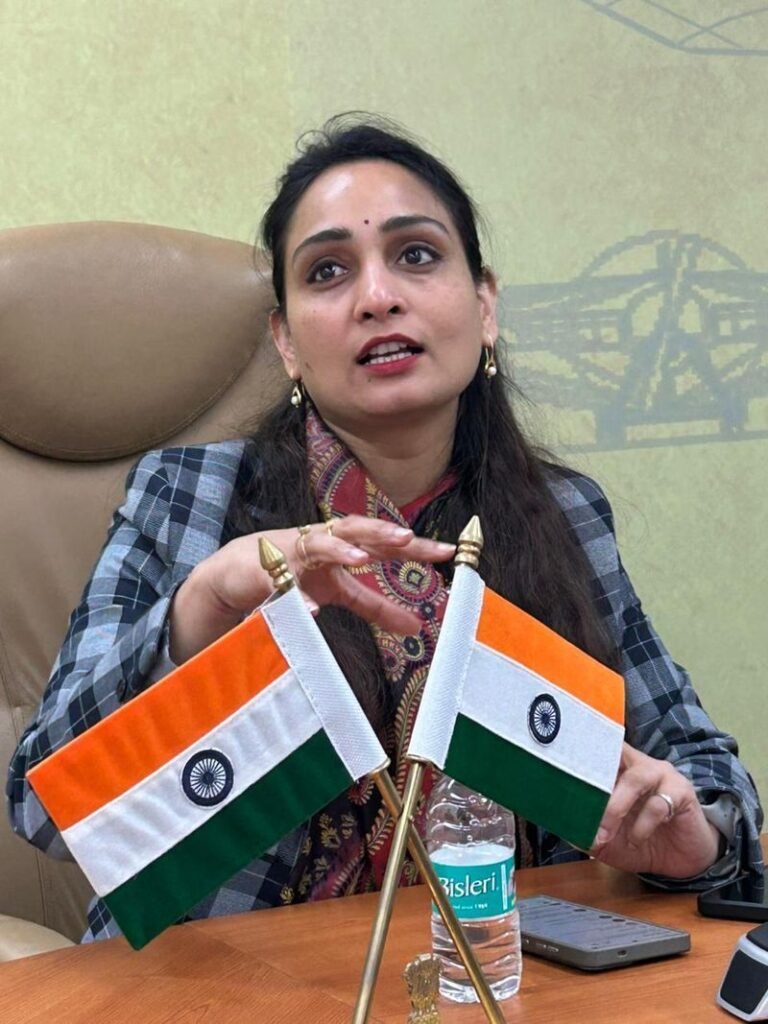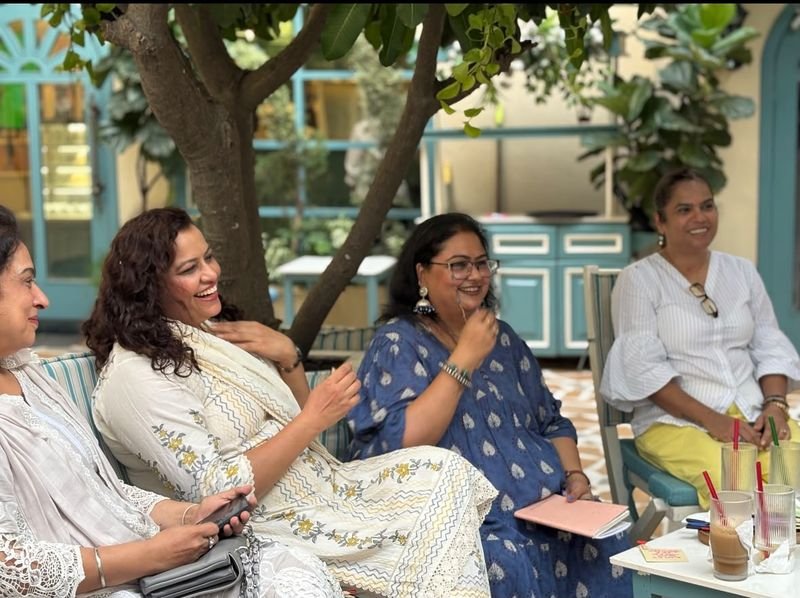

In a world full of constant notifications, screens and online conversations, a growing number of women is finding value in something deliberately slower: spaces where they can write, listen and simply pause.In Amritsar, Siyahi, a women-led literary community founded in 2025 by writer and poet Saloni Poddar, offers a room, a book, some thoughts and a willing audience. Bringing together women writers and poets across Urdu, Hindi, Punjabi and English, Siyahi is a safe, open space that combines literary expression with conversation, cultural reflection and community. The only deliberate things at Siyahi meet-ups are a love for coffee and a phone on silent mode. The community recently celebrated one year of coming together with a curated skit, ‘Putting Art on Trial’.“Amritsar is a cultural hub, nurturing and producing poets and writers, celebrated in the literary world. But not everyone who writes is a literary poet. And not every piece of writing needs to be measured against a particular literary standard before it deserves to be heard. That is what encouraged me to create Siyahi,” says Poddar. Originally from Kanpur, she made Amritsar her home almost two decades ago. With Siyahi, she wanted to create a platform where one could simply write and share.Interestingly, Siyahi never began as a women-only platform. “It began because I knew so many women, who were looking for a space they could call their own—a literary home, if you will. And somewhere along the way, Siyahi naturally became that space,” says Poddar. Men, she adds, are and will always be welcome at Siyahi.Across cities, community-curated meet-ups are increasingly creating spaces for informal conversation, creativity and reflection. For women, these can become safe, warm and non-judgmental spaces to find their voices.“I believe such spaces are deeply important because every woman deserves the freedom to express herself without her work being reduced to her gender. Inclusive literary spaces give women the confidence to be vulnerable, experimental and unapologetically authentic,” says Supnandan Kaur, an Income Tax Commissioner in Amritsar, Siyahi member and singer. For her, the community offers connections and experiences that add value to both her art and her life.The idea extends beyond a digital detox. Siyahi’s proposed intergenerational approach, pairing younger women with older matriarchs, creates room for lived experience and everyday survival wisdom to be shared alongside creative work.Like Indu Aurora, a sexagenarian, social activist, who found her tribe among the Siyahi women. “At the heart of it was a simple need – for a place to put the phone away, slow down and hear one’s own voice and that of others. Of course, it encourages people to pick up a book, write and re-connect through conversations rather than Instagram DMs and reels,” she says.For some, it is also about rediscovering a forgotten self. Aarti Khanna, a restaurateur, says the community encouraged her to pick up a pen again. “Siyahi took me back to a part of myself I had almost forgotten—the woman who used to write. Somewhere along the way, life had made me stop writing. It reminded me that those words, those emotions, that part of me had never really disappeared,” she says.And then there are the listeners. “Being a part of Siyahi as a listener has been such a warm and enriching experience,” says homemaker Aastha Khanna. “I have loved listening to people sharing their stories, poems, thoughts, pieces of their life, and even songs. What I especially love is that there is no pressure to perform.”