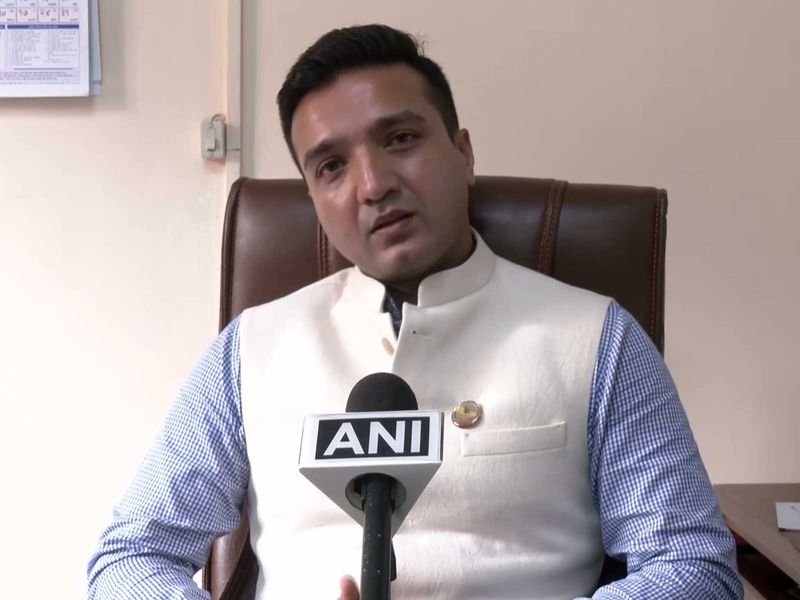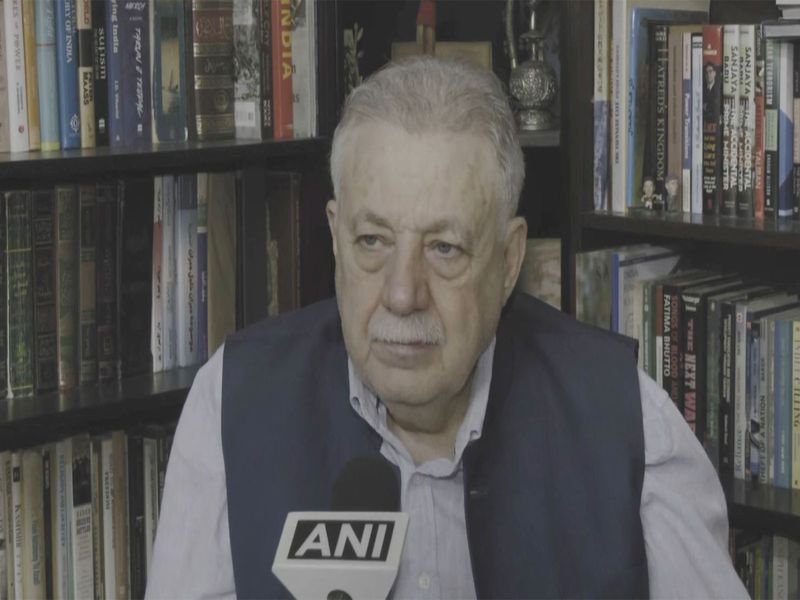

New Delhi [India], September 26 (ANI): Demonstrating robust strategic clarity and an uncompromising stance against cross-border terrorism, foreign affairs expert Waiel Awwad has sharply criticised the rhetoric emanating from Islamabad following the speech of Pakistan Prime Minister Shehbaz Sharif at the United Nations General Assembly.Speaking to ANI, Waiel Awwad stated, “He was addressing the domestic audience in Pakistan because the Government of Pakistan is facing lots of political instability and a difficult economic situation currently, despite the fact that the United States is trying to promote Pakistan’s position into an international peace player.”He highlighted the failure of such diplomatic posturing, adding, “I would say that the Pakistanis understand that India will not compromise on the state of Jammu and Kashmir, and such kind of rhetoric will not serve the bilateral and any kind of a confidence measure between the two countries. I believe the gap between India and Pakistan is widening day by day.”Addressing the provocative remarks regarding regional sovereignty and security, Awwad further noted, “The speech of the Prime Minister of Pakistan at the UN General Assembly, which may also have agitated the Indian stand, especially in matter of concern with the state of Jammu and Kashmir, where India believes that this is an integral part of India, and Pakistan is using its territories against India by supporting secessionist movement.”India subsequently delivered a stinging rebuttal in New York. Exercising India’s right of reply, Indian diplomat Petal Gehlot termed Sharif’s remarks “bizarre” and brought the Assembly’s attention to Pakistan’s history of sheltering high-profile terrorists, noting that Osama bin Laden, the mastermind behind the 9/11 attacks, was discovered residing within Pakistan.“The US just observed the anniversary of the 9/11 attacks. Its mastermind was living at the doorstep of Pakistan’s Army’s premier academy,” she pointed out.Sharif had used the global platform to bring up the Kashmir issue and credit US President Donald Trump for his intervention during the 2025 conflict, a narrative directly dismantled as India exposed Islamabad’s double standards on security, asserting that Pakistan “claims to uphold security by day and perpetrates terrorism by night.”Warning Islamabad of the repercussions of supporting cross-border terror, India firmly reiterated its sovereign right to self-defence.“We demonstrated last year that terrorists will have nowhere to run and nowhere to hide. Our right to defend ourselves against terrorism will be exercised. And continued terrorism by Pakistan will have consequences,” the Indian diplomat said.New Delhi previously undertook Operation Sindoor on May 7 last year, striking terror infrastructure across Pakistan and Pakistan-occupied Kashmir in response to the Pahalgam attack that claimed 26 civilian lives.While President Trump has repeatedly claimed credit for mediating a cessation of hostilities, New Delhi has consistently rejected any form of third-party intervention.Calling upon the international community, India urged the UN Assembly “to recognise Pakistan and its policies for what they are, not what its representatives mendaciously present.”“Reiterating falsehood year after year will not make it true. Pakistan’s duplicity and deceit will neither benefit it nor the world.”Addressing Sharif’s focus on Kashmir during his extended address, India firmly maintained that Jammu and Kashmir is an “integral and inalienable part of India,” while directing global attention towards rampant human rights violations in Pakistan-Occupied Kashmir.“Let’s turn focus to PoK. Ask the people of Rawalkot about the wanton killings and human rights violations by the Pakistan government there,” she stated.Dismantling Islamabad’s “hypocritical homilies” concerning democracy and human rights, India exposed the reality of Pakistan’s governance.“Pakistan is the regime of the army, for the army and by the army. Their puppets may change, but the army continues to call the shots.”On Islamabad’s references to religious harmony, India underscored the country’s dismal domestic record regarding minorities.“The Pakistani regime has blasphemy laws as its mainstay. The world knows how Pakistan treats its minorities.”Tying off these compounding indictments of state-sponsored decay, India maintained regarding the Indus Waters Treaty (IWT) that the pact will remain in abeyance until Pakistan credibly and permanently halts its active sponsorship of cross-border terrorism, a punitive measure instituted in the wake of the Pahalgam terror attack. (ANI)(This content is sourced from a syndicated feed and is published as received. The Tribune assumes no responsibility or liability for its accuracy, completeness, or content.)