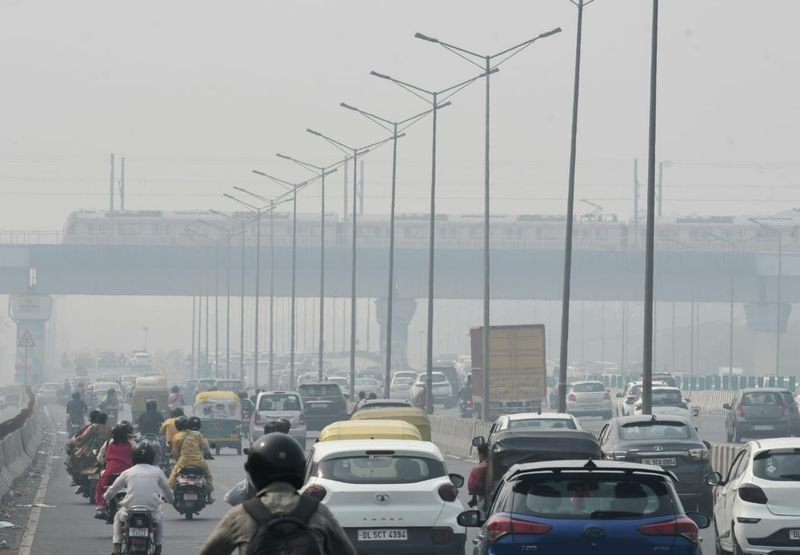

Delhi is preparing to change the way the capital moves, works and builds through the winter, with the government announcing a four-month package of restrictions aimed at cutting pollution during the season when the city’s air quality typically deteriorates sharply.From November 1 to February 28, dust-generating private and civil construction and demolition activities will be prohibited, while offices will be required to operate with only 50 per cent of their workforce on-site and the remainder working from home. Essential services will be exempt.The measures will effectively put large parts of Delhi’s construction and commuting activity into winter mode.Construction freeze, tighter material movementThe construction restrictions will become particularly stringent from December 10 to January 20, identified as the most pollution-sensitive period. During this window, vehicles bringing construction materials such as sand, gravel and cement from outside Delhi will also be barred from entering the capital.The move could have a direct bearing on construction schedules and material supply chains, particularly for infrastructure and private projects dependent on the movement of bulk building materials into the city.More expensive parking, staggered office hoursTo discourage private vehicle use, authorised parking charges will be doubled, although Metro parking will remain exempt. Office timings will also be staggered, with municipal corporation offices functioning from 8.30 am to 5 pm, while Delhi government offices will operate from 10 am to 6.30 pm.The combination is aimed at reducing peak-hour traffic rather than relying solely on emergency pollution controls.Fuel without PUC to be cut offA year-round enforcement measure will also require vehicles to have a valid Pollution Under Control (PUC) certificate to buy fuel at Delhi petrol pumps. Checks will be carried out digitally through vehicle databases, including the National Pollution Registry and VAHAN.From November 1 to February 28, vehicles from outside Delhi that do not meet BS-VI standards will also face restrictions on entering the capital. CNG, electric and emergency vehicles will be exempt.Taken together, the measures represent a shift from tackling pollution only through episodic restrictions to regulating several everyday sources of emissions — construction dust, vehicle movement, workplace commuting and fuel compliance — simultaneously.The key test, however, will be enforcement: whether agencies can apply the restrictions consistently across construction sites, entry points, parking areas and fuel stations when winter pollution peaks.