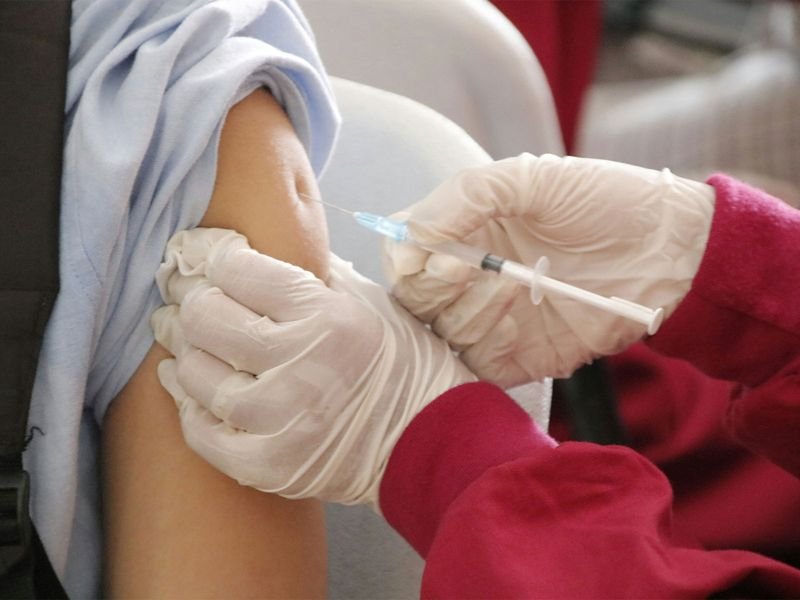

The state government is set to introduce Triple H screening for HIV, Hepatitis B and Hepatitis C at government de-addiction and rehabilitation facilities, linking infection testing directly with addiction treatment and recovery services.The initiative is part of the Yudh Nashean Virudh campaign and seeks to provide comprehensive care to people with substance-use disorders while reducing the spread of blood-borne infections. HIV, Hepatitis B and Hepatitis C can spread through high-risk practices such as sharing contaminated needles and syringes, making early detection an important component of addiction treatment.Health Minister Dr Balbir Singh said screening camps for HIV and hepatitis had earlier been organised periodically, often at intervals of around two months. While the camps provided testing opportunities, there was limited scope to track who had attended, who had missed testing and who subsequently required follow-up.Under the new approach, screening will be integrated into the de-addiction and rehabilitation process rather than relying primarily on periodic camps. The system is expected to provide more consistent testing opportunities and facilitate referrals for individuals requiring further investigation, treatment or continued medical care.“People with a history of injecting drug use face an increased risk of blood-borne infections, and early detection is important for timely medical care and counselling,” Singh said.He said the government’s objective was not merely to help people overcome addiction but also to enable them to lead healthier lives and reintegrate into society.The minister said integrating HIV, Hepatitis B and Hepatitis C screening into de-addiction services would help identify people requiring testing and ensure positive cases were referred for appropriate care.Earlier in August, Singh had announced the adoption of advanced testing technologies, including Nucleic Acid Testing (NAT) and Chemiluminescence Immunoassay (CLIA), to strengthen the early detection of transfusion-transmitted infections and improve blood safety in Punjab.