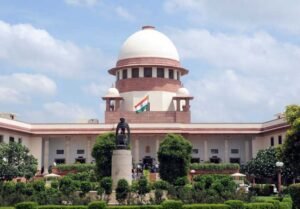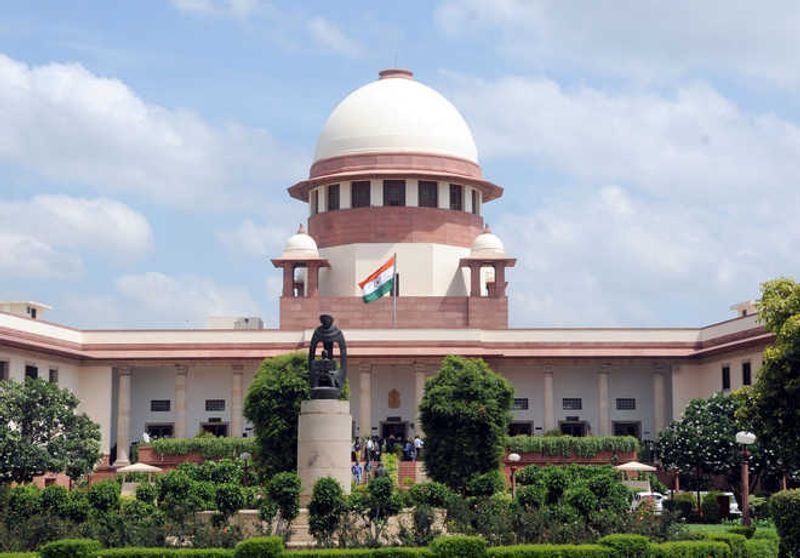

The Supreme Court on Monday clarified that it didn’t approve any modified version of Form 6 used for inclusion of names in electoral rolls during the Special Intensive Revision (SIR) of electoral rolls.“Any modified Form 6 has not been approved by us. Let’s be clear. When the record is produced, we would like to see who has modified it,” a bench led by CJI Surya Kant said while hearing a petition seeking to restrain Gyanesh Kumar as the Chief Election Commissioner (CEC).The clarification came after senior counsel Menaka Guruswamy, representing petitioner Shailendra Mani Tripathi, raised concerns over the changes made to Form 6. Tripathi has sought quashing of the 14 decisions allegedly taken by the CEC unilaterally.The Election Commission had last week claimed that the new declaration annexed to the online Form 6 for the ongoing SIR process in some states had been approved by the Supreme Court.The modified Form 6 required persons seeking to register as new voters to state if they or their parents were mapped in the previous SIR. Such a statement was not sought in the earlier Form 6 used in SIR of other states.The declaration also says that false statements can attract punishment under Section 31 of the Representation of the People Act, including imprisonment of up to one year, a fine or both.The changes to the new Form 6 declaration had allegedly been objected to by Election Commissioners Sukhbir Singh Sandhu and Vivek Joshi on the ground that the same cannot be carried out without the Central Government amending the Registration of Electors Rules, 1960.Opposition parties and civil society groups alleged that the new declaration annexed to Form 6 could create an additional hurdle for first-time voters, particularly those whose parents were not on the old electoral rolls, and that the poll panel could not alter a statutory form without following the procedure for amending the relevant rules.The Supreme Court had on May 27 upheld the constitutional validity of SIR of the electoral rolls undertaken by the Election Commission, saying it advanced the constitutional imperative of free and fair elections.A bench led by CJI Surya Kant ruled that the object sought to be achieved by SIR had a direct nexus with the constitutional goal of ensuring free and fair elections which did not rest merely on the mechanics of polling but fundamentally depended on the “integrity, accuracy, and credibility of the electoral rolls, which formed the foundation of the democratic process”.The Election Commission has the power and authority to conduct SIR under Article 324 of the Constitution read with Representation of the People Act, 1950 and the rules framed thereunder, it ruled.However, the top court could not have examined the new Form 6 declaration in that judgment, as it was introduced much later in July.Last month, the Election Commission did away with the extra declaration requirements under Form 6 for non-SIR states.