

1

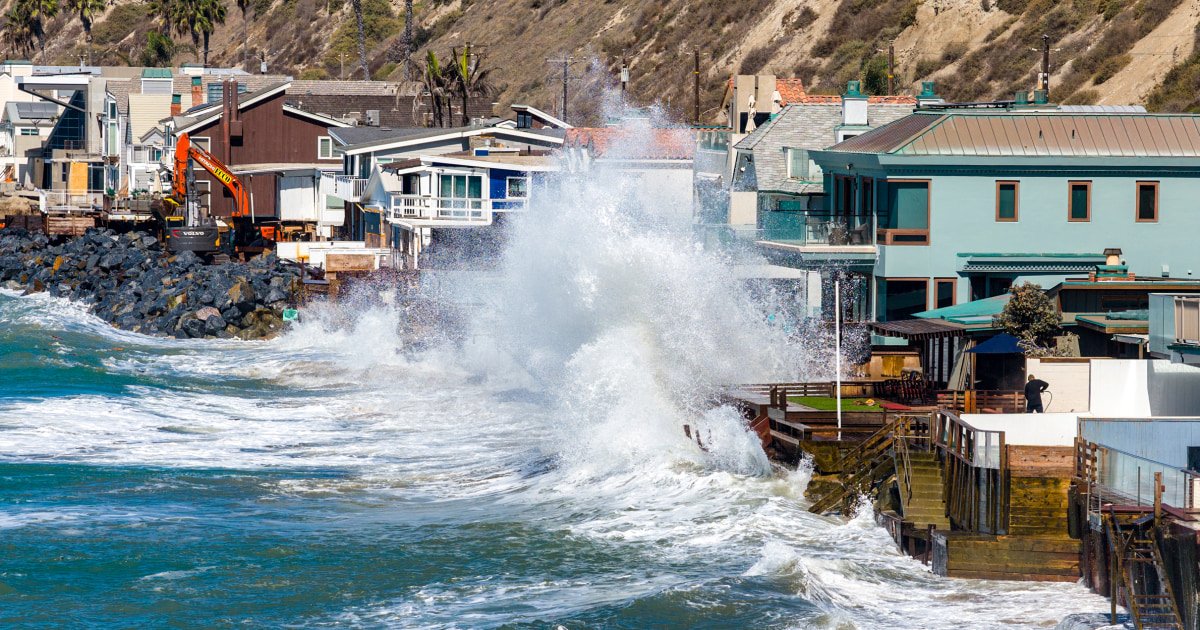

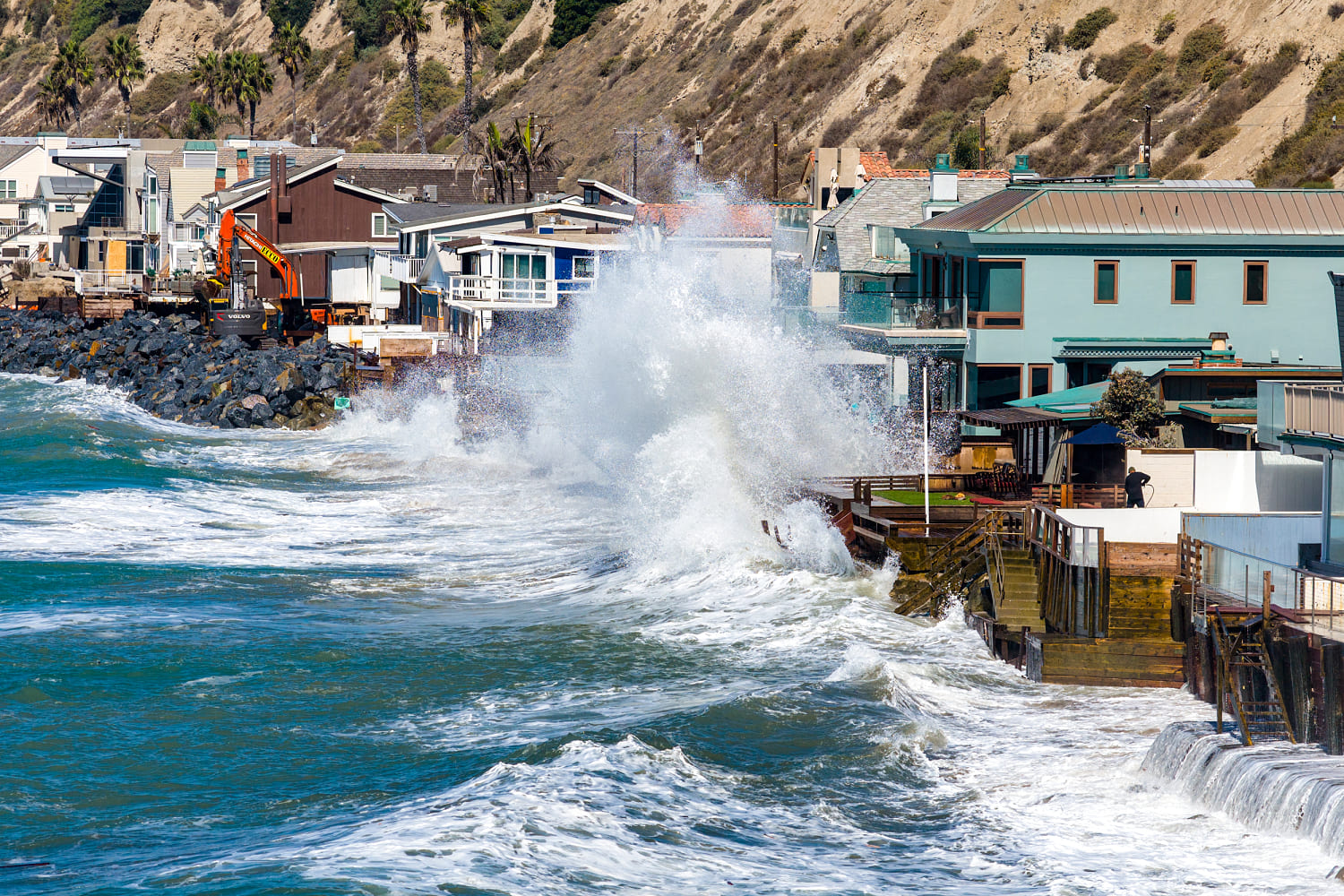
“Godzilla.” “Super.” “Very strong.” There’s no shortage of superlatives to describe the El Niño pattern brewing in the tropical Pacific Ocean, with grave consequences expected in many corners of the world. So far, data continues to back up the hype. Sea surface temperatures have spiked to record levels in the tropical Pacific this fall, a sign that the pattern continues to strengthen. In the region where the El Niño trend is typically measured, temperatures are 6.1 degrees Fahrenheit higher than normal. In its latest update, the National Oceanographic and Atmospheric Agency said the pattern was strengthening and that there was a 90% chance of a “very strong event” this fall and winter, with a 75% chance of becoming a historic event larger than any El Niño since 1950. The index data NOAA uses to characterize El Niño suggests this season’s event is the second-biggest anomaly on record for the months of July through September, even when the influence of global warming on temperatures is not factored into the equation. “It feels like super El Niño is appropriate,” said Abby Frazier, a climatologist and professor of geography at Clark University. The children’s aid organization UNICEF on Tuesday said its analysis suggests hundreds of millions of children could be exposed to dangerous conditions as a result of the climate pattern, which raises the risk of intense precipitation in some areas and drought in others. “With over 347 million children living in areas expected to experience drier or wetter conditions because of El Niño, we must act now to protect communities and children,” UNICEF executive director Catherine Russell said, adding that El Niño was expected to increase water shortages, malnutrition and disease outbreaks. 00:46Southern California faces coastal erosion concerns00:0000:00The University of Chicago’s Climate Impacts Lab estimates that El Niño will raise global average temperatures enough to cause 451,000 excess-heat deaths worldwide. El Niño is a natural climate pattern that happens when winds near the equator slacken and the upwelling of cold water to the surface of the eastern Pacific Ocean stalls. The pattern typically drives up global average temperatures, causes marine heat waves off the U.S. West Coast and dampens the Atlantic hurricane season. El Niño is associated with intense rainfall and storms in the Southeast and warm conditions in the Pacific Northwest that can rob the region of its snowpack and water supply. Scientists expect El Niño to batter the U.S. West Coast and cause unusual beach erosion, because storms are sending strong waves toward the shore, where sea levels are already rising because coastal waters are warmer than usual and therefore taking up more space. El Niño’s influence is most obvious in the winter, because it often shifts the normal flow of the jet stream, the high-altitude air current that encircles the Northern Hemisphere and drives weather patterns. El Niño usually pushes the jet stream southward, scrambling weather patterns. Some regions will likely suffer drought; others will be deluged with extreme rainfall and flooding. Now is the time to prepare for water restrictions in some locations and to watch rainfall forecasts in others, Frazier said. Expect those effects to ripple through agricultural economies — goods like rice, coffee and chocolate could be affected as growing conditions are affected. “This could have cascading impacts through supply chains and other things, so it could impact the prices that we pay in the grocery store for some of our food,” Frazier said. The signs of El Niño’s presence are growing more plain. The U.S. had a historically mellow Atlantic hurricane season, while powerful hurricanes raced across the Pacific, fueled by warm seas. “The number of storms that have formed and have impacted, especially Hawaii, has been really incredible this year,” Frazier said. Meanwhile, unusual marine species — including whale sharks, sea snakes and nesting turtles — have been spotted off the California coast, farther north than what water temperatures typically allow. And earlier this summer, NASA satellites could tell that the height of seas had actually grown taller near the equator, a sign that the ocean water was growing warmer and expanding in volume.