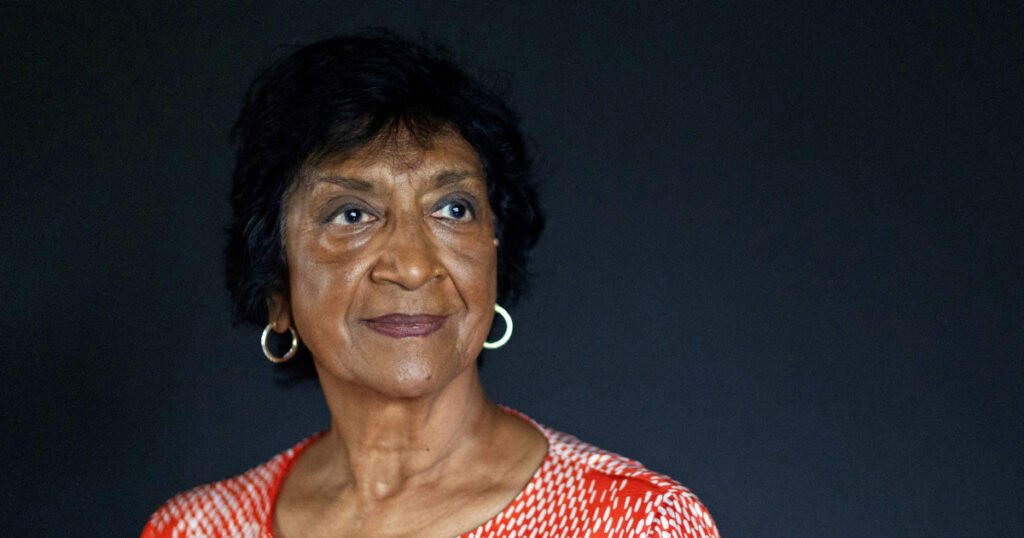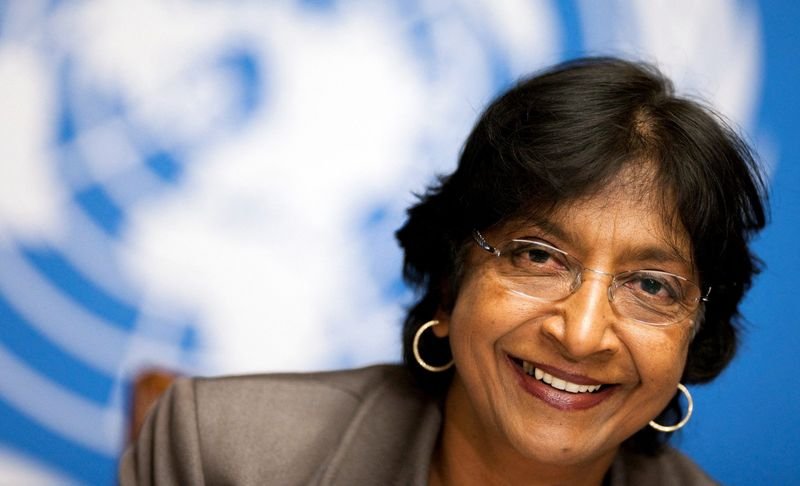

Navanethem “Navi” Pillay, a South African jurist of Indian Tamil origin, has won the 2026 Nobel Peace Prize for her contribution to international law, human rights and efforts to ensure that perpetrators of grave crimes are brought to justice.The Norwegian Nobel Committee announced the award on Friday, October 9, recognising Pillay’s exceptional courage and integrity in advancing a stronger international legal order. The committee highlighted her role in ensuring that war crimes, crimes against humanity and genocide are prosecuted.Pillay’s journey from a family of Indian origin in apartheid-era South Africa to some of the most influential positions in international justice makes her story particularly significant. Her career has spanned the struggle against racial discrimination, the prosecution of international crimes and the global campaign to protect human rights.Who is Navi Pillay?Born in Durban, South Africa, to a family of Indian Tamil origin, Pillay built a career as a lawyer and judge during a period when racial discrimination shaped almost every aspect of life under apartheid.She became the first non-white woman to serve as a judge of South Africa’s High Court, breaking barriers in a legal system that had long excluded people on the basis of race. Her early work included defending anti-apartheid activists, part of a wider struggle against the country’s discriminatory system.Her career later took her beyond South Africa, placing her at the centre of international efforts to establish accountability for atrocities and protect fundamental rights.From South Africa’s courts to the United NationsPillay has held several important positions in international justice. She served as a judge at the International Criminal Tribunal for Rwanda, an institution established to prosecute those responsible for genocide and other serious violations committed during the 1994 Rwandan genocide. She also served as the tribunal’s president.She subsequently became a judge at the International Criminal Court, which prosecutes individuals accused of genocide, war crimes, crimes against humanity and the crime of aggression under its jurisdiction.One of the most prominent positions of her career was that of United Nations High Commissioner for Human Rights, a role in which she worked to advance the protection of human rights worldwide.Her experience across national courts, international tribunals and the United Nations has made her a prominent figure in efforts to strengthen international law and ensure that serious crimes do not go unpunished.Why did Navi Pillay win the Nobel Peace Prize?The 2026 award recognises Pillay’s efforts to promote peace through international law and accountability.The Nobel Committee emphasised the importance of prosecuting war crimes, crimes against humanity and genocide, underlining the role of legal institutions in addressing grave violations and strengthening the international system.Her work reflects the principle that lasting peace requires more than the end of armed conflict: it also requires mechanisms to investigate atrocities, hold perpetrators accountable and uphold the rights and dignity of victims.Pillay’s recognition places the work of international justice at the centre of this year’s Nobel Peace Prize. Why her Indian roots matterPillay’s Indian Tamil heritage connects her personal story to the history of the Indian diaspora in South Africa. Her family background is part of a wider history of Indian migration to the country, where generations of people of Indian origin built communities while facing racial and social discrimination.Her achievement is therefore notable not only for South Africa but also for people of Indian origin around the world. However, her Nobel recognition is specifically for her work in international law, human rights and accountability for serious crimes.