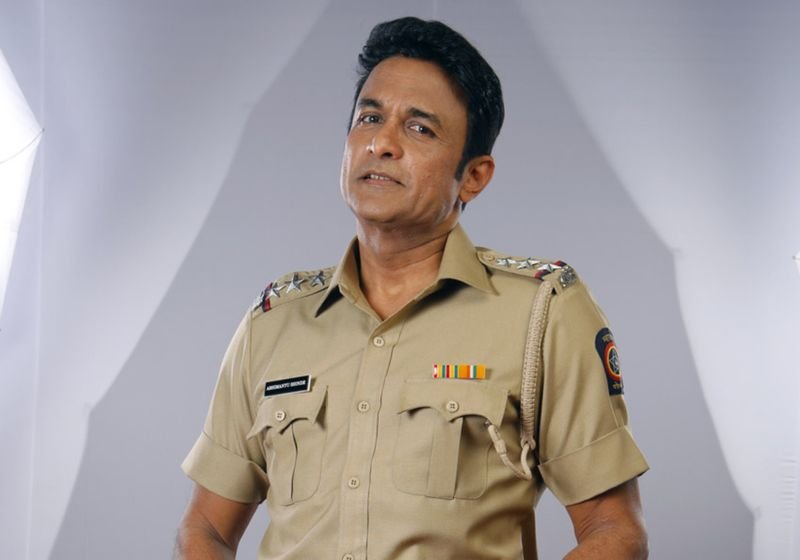

With a career spanning over four decades in Hindi and Marathi cinema, Ajinkya Deo has had a standout 2026, with four major releases across theatre and streaming. In Prahaar: The Ujjwal Nikam Story, releasing on October 16, he plays the Joint Commissioner of Police (Crime) who backs Nikam’s appointment to the 1993 Mumbai bomb blasts case. He was recently seen in 120 Bahadur and Brown, and is also part of the much-anticipated Ramayana, slated for release around Diwali.What drew you to a film built around Ujjwal Nikam’s courtroom journey?Prahaar tells the untold story of Ujjwal Nikam, and that alone made it worth doing. Courtroom and true-crime dramas work better when the story is real, and the stakes are real, and Prahaar offers both. In addition, I think the story has greater importance now, as audiences are craving stories that reveal what happens behind the headlines, and what it takes to get justice done. The interesting part about my character is the officer who first saw Nikam arguing cases in the lower courts and was deeply impressed. He strongly proposed Nikam’s name to the State for the bomb blasts case. By the time of Kasab, Nikam was the lawyer everyone trusted. So it is a pivotal part, and I’m honoured to have been given it.Where does your character sit in that story, and was there a scene where you felt the weight of the material most?He is the link between the investigation and the courtroom. He pushes for Nikam to take on the bomb blasts case, and he’s central to putting things together so that, in the end, Kasab was hanged. The scenes that weighed on me most were the ones in the war room, because you’re recreating a night that many people still carry with them, and you feel a responsibility to get it right. My scenes with Rajkummar were another high point. He is fantastic as Ujjwal Nikam, and his intensity made it easy to find the depth in those moments. There was a good rhythm between us during the scenes.Audiences have seen you in 120 Bahadur and Brown, and now a 26/11 drama. Is there a thread in the roles you choose?I’m picky, but not overly so. I am always inclined towards the roles that make a difference to the film and give the audience a perspective. There has to be meat in it, something people remember when they walk out, even if the role is less screen time. In my previous film, 120 Bahadur, I played the Brigadier, a strong figure who stood behind his soldiers and ran the war room front. Brown was a dark, negative character. The potency of a role matters more to me than its length.Prahaar and Ramayana release close together, and they couldn’t be more different. What is it like to move between them?It’s wonderful to have two such different films come out back-to-back. Prahaar is a courtroom drama that will keep audiences riveted, and it shows them the reality behind what happened. Ramayana is an epic and a completely different canvas. One asks for restraint and realism, the other for scale and gravitas, and as an actor, that contrast is what keeps the work exciting. I’m proud to be part of both truly.Looking ahead, what kind of stories or filmmakers do you want to work with next, and what do you hope audiences take away from Prahaar?I’m looking forward to more roles with substance. I want to work with filmmakers who take their stories seriously and give a character room to matter, whatever the size of the part. I think my seniority and experience fit a lot of slots that are open right now. I can’t say more yet, but there will be plenty to talk about soon. From Prahaar, I hope audiences take away the reality behind what happened and what Mr Ujjwal Nikam did, and that they come out of the theatre having felt it.