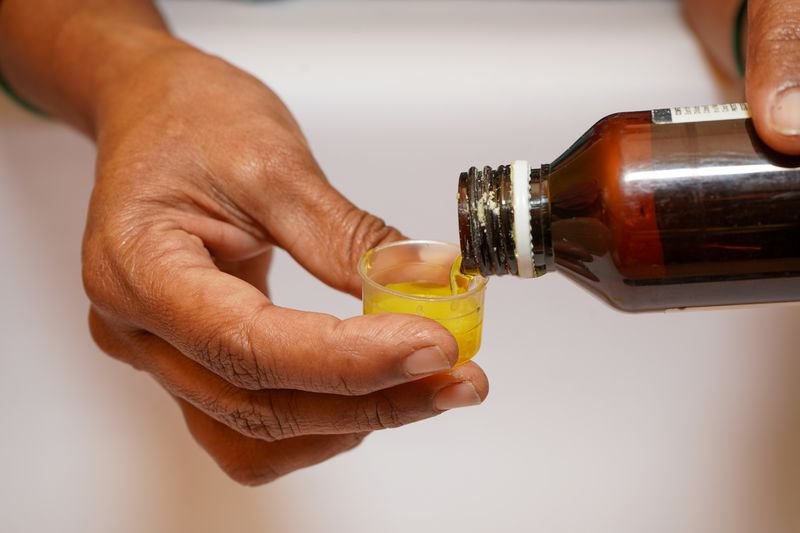

Private pharmacies could play an important link in identifying missed tuberculosis (TB) cases in India, but a pilot project in Jaipur has exposed a major gap in translating referrals into actual testing. Despite obtaining details of 2,413 cough syrup buyers, the health system tested only 5 per cent of them, an ICMR-NIE study has found.Conducted from November 2025 to January 2026, the study by researchers associated with the Indian Council of Medical Research–National Institute of Epidemiology (ICMR-NIE) and the National TB Task Force examined whether private pharmacies could help identify people who may need TB testing and refer them to health facilities.Cough is a common symptom of TB, and cough syrups are widely available over the counter. The researchers explored whether sales-related information could help health authorities identify potential patients who might otherwise remain outside the formal diagnostic and notification system. However, buying cough syrup does not necessarily indicate TB, making follow-up testing essential for diagnosis.Published in Public Health Action, the study found that private pharmacies shared details of 2,413 cough syrup buyers with the programme. Of these, 759, or 31 per cent, were reported to have been tracked by the health system. Among them, 334 underwent sputum examinations, which identified three TB cases.However, telephone-based cross-verification by designated district officials raised questions about the reported follow-up figures. The researchers estimated that only around 110 people had actually undergone sputum examinations, against approximately 2,200 buyers requiring follow-up. This meant that only about 5 per cent of the estimated buyers underwent testing, with a test positivity rate of around 3 per cent.“The key reason for this was that cough syrup buyers were not tracked. This could be speculated due to lack of staff against the norms, overworked National Tuberculosis Elimination Programme (NTEP) staff, and not examining using sputum microscopy in the absence of chips and cartridges for rapid molecular diagnostic tests,” the study said.The findings point to a gap between identifying potential patients and ensuring they complete the diagnostic process. While pharmacies were able to share buyer information, the health system struggled to contact individuals, track them and ensure they underwent testing.The researchers identified staff shortages, the workload of NTEP personnel and limited availability of diagnostic supplies as possible reasons for the low testing rate.The study builds on earlier ICMR-NIE research in Rajasthan, which found that missed TB notifications in the private sector were seven times the reported notifications. That research also found a positive correlation between district-level private cough syrup sales and missed TB notifications, suggesting that pharmacy sales data could help identify areas requiring additional TB surveillance.India accounted for an estimated 25 per cent of the global TB burden, according to the study. Rajasthan is among the high-burden states, recording approximately 1.65 lakh TB notifications annually.The researchers concluded that private pharmacies have the potential to contribute to TB detection, but said effective tracking of cough syrup buyers was essential to make the approach meaningful.