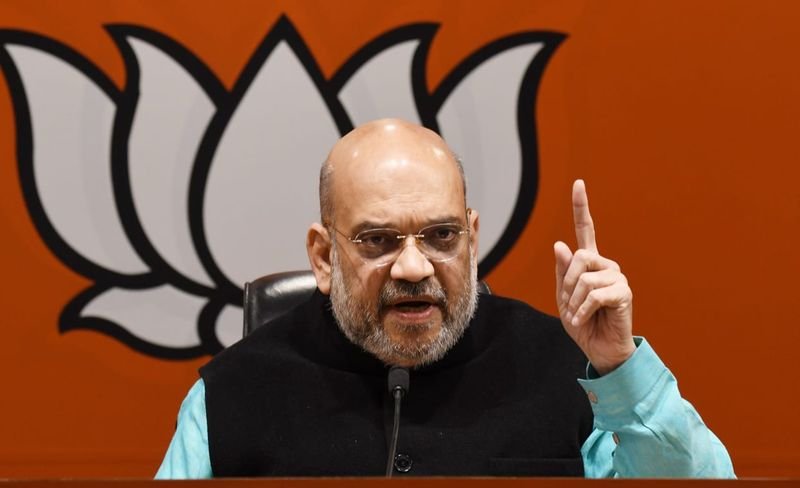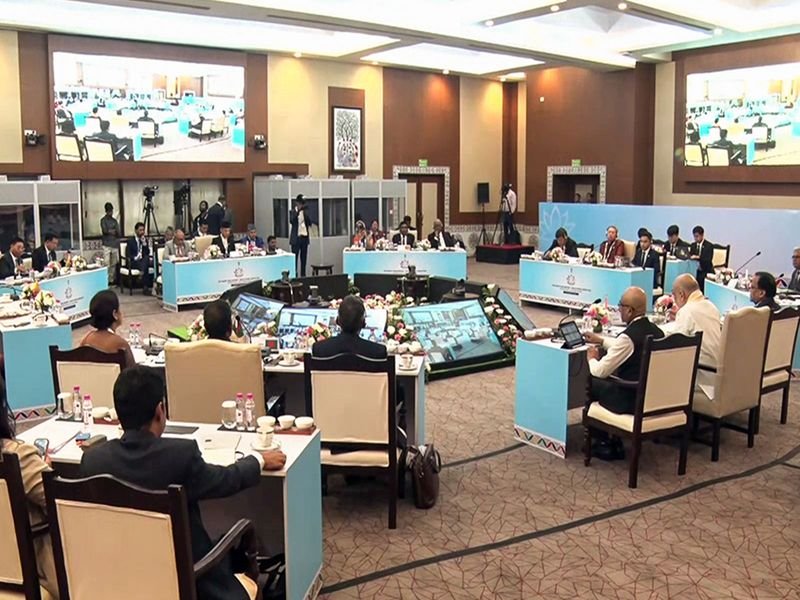

New Delhi [India], October 13 (ANI): Home Ministers of the Bay of Bengal Initiative for Multi-Sectoral Technical and Economic Cooperation member countries have adopted a comprehensive joint declaration prioritising robust, coordinated measures against evolving regional security threats, following the first BIMSTEC Home Ministers’ Meeting in New Delhi on Tuesday.According to the Ministry of Home Affairs (MHA), the joint declaration “emphasised combating cross-border terrorism, terror financing, radicalisation, drug trafficking, human trafficking, cybercrime, and organised crime.”The ministry stated that the framework “prioritised information sharing, mutual legal assistance, extradition, capacity building, and the effective implementation of existing agreements and plans of action,” while placing special stress on “the protection of victims of human trafficking involved in online scams.”To strengthen the regional security framework, Home Ministers of the BIMSTEC member states formally approved five key agreements and action plans during the meeting.The BIMSTEC Convention against Trafficking in Persons was approved to enhance regional cooperation among member states in preventing human trafficking, criminalising the offence, and ensuring the protection and rehabilitation of victims.The BIMSTEC Plan of Action on Drug Control was adopted to combat the illicit trafficking of narcotic drugs, psychotropic substances, and precursor chemicals across borders.Ministers approved a Memorandum of Understanding (MoU) on Capacity Building among BIMSTEC Countries to Combat Money Laundering and Terror Financing. This agreement provides for the training of experts, the exchange of best practices, and extensive cooperation across financial crimes, financial intelligence, investigations, asset recovery, anti-money laundering measures, countering the financing of terrorism, and countering proliferation financing.The BIMSTEC Plan of Action on Illicit Financial Flows and Their Prevention was endorsed to identify the sources, risks, and channels of illicit financial movements among member countries.Additionally, ministers agreed on a Plan of Action for Enhancing Preparedness and Coordination to Address Natural Disasters in the Bay of Bengal Region. This initiative proposes coordinated efforts in regional risk planning, joint exercises, early warning systems, disaster mapping, training centres, information sharing, research, technological innovation, and tsunami risk reduction.Highlighting India’s pivotal role in steering the regional security framework, the MHA noted that the declaration “appreciated India’s leadership in strengthening regional security cooperation.”In response, New Delhi reaffirmed its commitment to providing institutional support and expertise to member nations. “India reiterated its commitment to sharing its expertise in police training, counter-terrorism operations, and forensic investigations,” the MHA stated.The ministry further highlighted that “the meeting also emphasised cooperation in disaster management, including the proposed BIMSTEC Centre for Disaster Management in Jamnagar, Gujarat.”Describing the outcome of the ministerial gathering as a major milestone for Bay of Bengal regional stability, the Ministry of Home Affairs emphasised that “this meeting was an important step towards making the BIMSTEC region safer and more prosperous.”Following the meeting, Home Minister Amit Shah met with his Nepali counterpart Sudhan Gurung.Highlighting their discussion, the Nepal Embassy in India wrote in a post on X that HM Gurung expressed gratitude towards India’s timely assistance following the flash floods that ravaged Kathmandu in August.”Home Minister Sudhan Gurung met with Amit Shah, Union Home Minister of India, on the sidelines of the First BIMSTEC Home Ministers’ Meeting in New Delhi today. The meeting focused on strengthening bilateral security cooperation, coordination on border management, combating transnational crime, and enhancing disaster preparedness and response. Hon. Minister Gurung expressed appreciation for India’s timely assistance following the recent floods and landslides in Nepal and emphasised advancing practical cooperation for the mutual benefit of both peoples, guided by sovereign equality, mutual respect and trust,” the Embassy wrote.Hon. Home Minister Sudhan Gurung met with Hon. Shri Amit Shah, Union Home Minister of India, on the sidelines of the First BIMSTEC Home Ministers’ Meeting in New Delhi today. The meeting focused on strengthening bilateral security cooperation, coordination on border management, combating transnational crime, and enhancing disaster preparedness and response. Hon. Minister Gurung expressed appreciation for India’s timely assistance following the recent floods and landslides in Nepal and emphasised advancing practical cooperation for the mutual benefit of both peoples, guided by sovereign equality, mutual respect and trust.— Nepal Embassy, India (@EONIndia) October 13, 2026Earlier in the day, while addressing the first BIMSTEC Home Ministers’ Meeting in the national capital, Shah said that India is committed to cooperation and the effective implementation of the BIMSTEC Convention to tackle global terrorism, organised crime and illegal drug trafficking.”India is committed to cooperation and effective implementation of the BIMSTEC Convention to tackle global terrorism, global organised crime and illegal trafficking of drugs. Criminal networks operate across borders and take advantage of local weaknesses. So, regional cooperation holds a special place in our functioning. The working of these networks is changing rapidly,” he said.The meeting brought together representatives of the seven-member Bay of Bengal Initiative for Multi-Sectoral Technical and Economic Cooperation (BIMSTEC), as India seeks to strengthen collective efforts against transnational security threats.BIMSTEC comprises seven member states: Bangladesh, Bhutan, India, Nepal and Sri Lanka from South Asia, and Myanmar and Thailand from Southeast Asia. The grouping connects the two regions through cooperation across multiple sectors.The BIMSTEC region brings together 1.7 billion people, accounting for 22 per cent of the world’s population, with a combined gross domestic product of USD 5 trillion.The first BIMSTEC Home Ministers’ Meeting reflects the member states’ shared focus on strengthening regional security cooperation and addressing threats that increasingly operate across national borders. (ANI)(This content is sourced from a syndicated feed and is published as received. The Tribune assumes no responsibility or liability for its accuracy, completeness, or content.)