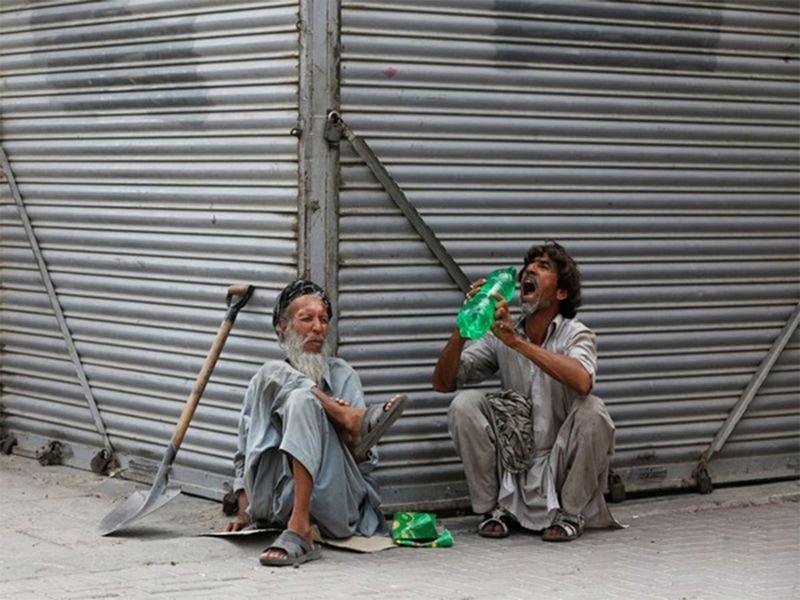

Islamabad [Pakistan], October 17 (ANI): Pakistan remains among the world’s 10 countries facing the most severe food crises, as persistent poverty, climate disasters and declining humanitarian assistance leave millions struggling to secure adequate nutrition, according to a report by international humanitarian organisation Action Against Hunger, as reported by Dawn.According to Dawn, the report, Ten Largest Global Food Crises, released ahead of World Food Day, estimates that 10.6 million people in Pakistan will need humanitarian assistance in 2026. The warning comes despite ongoing recovery initiatives and improvements in some economic indicators, highlighting the gap between macroeconomic progress and conditions faced by vulnerable households. Globally, around 177 million people live in the 10 countries where hunger is most concentrated. Acute hunger has doubled over the past decade, affecting approximately 266 million people across 47 countries. Nigeria, the Democratic Republic of Congo, Sudan, Yemen, Afghanistan, Myanmar, Bangladesh, Pakistan, South Sudan and Syria are identified as the countries experiencing the largest food crises. In Pakistan, high food prices, escalating living expenses, unemployment, falling household incomes and economic instability have weakened families’ ability to purchase essential food. Unfavourable agricultural prices have further affected livelihoods, leaving low-income communities particularly vulnerable. With humanitarian funding failing to match growing needs, families are increasingly cutting meals, selling productive assets and pulling children out of school to manage financial pressures.Such measures may offer short-term relief but risk worsening poverty, malnutrition and educational deprivation, while undermining households’ ability to withstand future crises. The situation is compounded by inadequate access to healthcare, nutrition programmes, clean drinking water, sanitation and social protection, especially in rural and disaster-hit areas, as highlighted by Dawn.Reductions in livelihood support and essential services have further weakened communities’ capacity to recover. Climate change remains a major threat to Pakistan’s food security. Repeated floods, droughts, heatwaves, glacial lake outburst floods and unpredictable monsoon rainfall have damaged infrastructure, reduced agricultural output and disrupted livestock-based livelihoods, as reported by Dawn. (ANI)(This content is sourced from a syndicated feed and is published as received. The Tribune assumes no responsibility or liability for its accuracy, completeness, or content.)