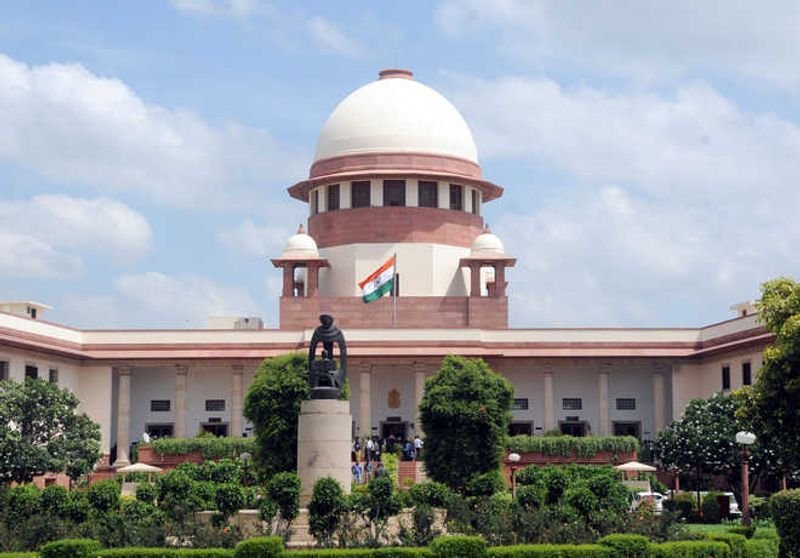

Private citizens can file criminal complaints against elected candidates for furnishing false information or concealing material facts in election affidavits under the Representation of the People Act, the Supreme Court has ruled.The top court said the restriction under Section 195 of the Code of Criminal Procedure (CrPC), which restricted criminal courts from taking cognisance of certain offences unless a written complaint was formally lodged by the authorised public servant or the court concerned, will not come in the way of filing a complaint in such cases.A Bench of Justice Dipankar Datta and Justice Sheel Nagu held that a private complaint alleging offence committed under Section 125A, RPA need not pass muster of the rigours of Section 195 CrPC.“If at all a complaint is lodged to harass an elected candidate or frivolous allegations are levelled therein, the laws of the country duly equip and empower the competent magistrates to pass such order(s) as they deem fit and proper commensurate with the facts and circumstances of each case,” it said.Section 125A of the RPA penalises candidates furnishing false information, concealing details, or failing to submit mandatory disclosures in their election nomination papers or affidavits.Rejecting the clarifications provided by the poll panel, the Bench said, “Even though the ECI is supreme in its own sphere and has, indeed, issued guidelines/press notes based on its understanding of the statutory provisions, interpretation of statutes is primarily the task of the courts and such guidelines/press notes do not bind us.”The verdict came on an appeal filed by one Rajkumar Madki against the Karnataka High Court’s March 7, 2025, judgment quashing his criminal complaint against Shailendra Beldale, an elected member of the state’s legislative assembly from Bidar constituency.Despite holding that private complaints were maintainable in such cases, the top court chose not to revive the proceedings against the elected MLA.Madki alleged that Beldale furnished a false declaration regarding his residential address in an affidavit accompanying his nomination papers for the 2023 Assembly election. He lodged a private complaint under Section 200 of the CrPC before the Additional Chief Metropolitan Magistrate in Bengaluru, alleging an offence punishable under Section 125A of the RPA.The High Court quashed the complaint on grounds that the proceedings for the alleged offence could be initiated only through a complaint by the Election Commission, and that a voter could pursue an election petition rather than institute such a private criminal complaint.“The legislature is presumed to be conscious of its insertion of Section 125A in the Act four years back,” it said, adding that the non-inclusion of Section 125A within Section 195 must be treated as deliberate.