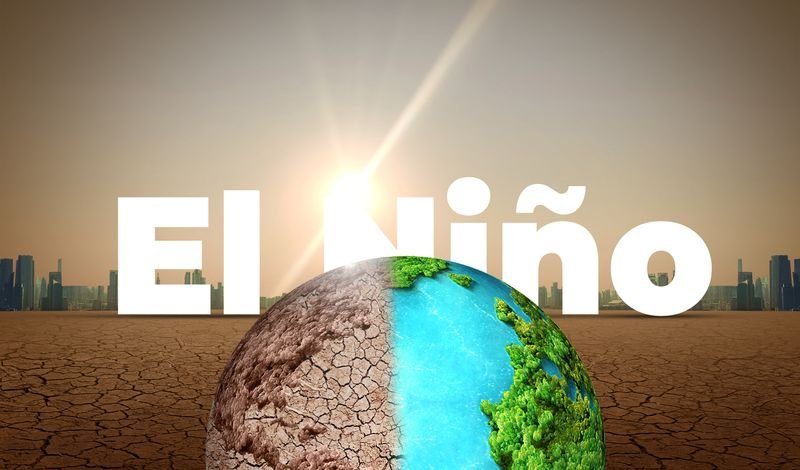

The current El Niño event could be unprecedented in strength, and will peak towards the end of 2026 but its impacts will be felt long after that, with possible “shocks for the global economy” and hit Asia and other regions in the Global South with droughts, floods and extreme heat, the United Nations has said.According to the latest Global Seasonal Climate Update from World Meteorological Organisation (WMO), sea surface temperatures in the tropical Pacific – the epicentre of the extreme El Niño weather phenomenon – may rise to 3.8℃ above average between November 2026 and January 2027.“We are already witnessing extreme weather events and expect this to multiply and cascade as El Niño intensifies,” Celeste Saulo, Secretary-General of WMO said.Echoing Saulo’s appeal for prevention efforts to boost resilience among the world’s most vulnerable communities, the UN’s emergency relief chief, Tom Fletcher, described the new El Niño as a “behemoth…a wrecking ball that will likely tear through Latin America, eastern and southern Africa, Asia and the Pacific with extreme heat, droughts and floods”.Across Asia and the Pacific, countries must brace for a range of climate shocks, including droughts, floods and cyclones, he said at a news conference.The global agency also said that some 50 million people could face increased hunger because of the weather phenomenon. It cited the African Development Bank estimate that it would cost African countries between USD 10 and USD 20 billion “and drive down GDP by between one and two per cent”.“This El Nino will create economic shocks for the global economy and drive further conflict, displacement, migration. The next two weeks are the critical window to act before that damage is done,” Fletcher added.The UN Under-Secretary-General for Humanitarian Affairs proposed “a much wider global mobilisation of solidarity, expertise and action across governments, civil societies, academics, businesses”.“I am writing to countries with existing disaster response capacity, part of our coordinated emergency network, to ask them to place that capacity on immediate standby to support the effort,” Fletcher said.India has taken on an international role in weather disaster forecasting and relief in the aftermath. India-UN Development Partnership Fund has sponsored projects for early warning systems, and disaster risk reduction in seven Pacific Island countries.India along with the other members of the Quad, the US, Japan and Australia, also has Humanitarian Assistance and Disaster Relief (HADR) programmes for the Indo-Pacific region.For Southeast Asia, Saulo foresaw “warmer conditions and rainfall deficits increase the risk of heat exposure and place additional pressure on agriculture and water supplies, like the increasing wildfire and smoke hazards risks we are already seeing”.