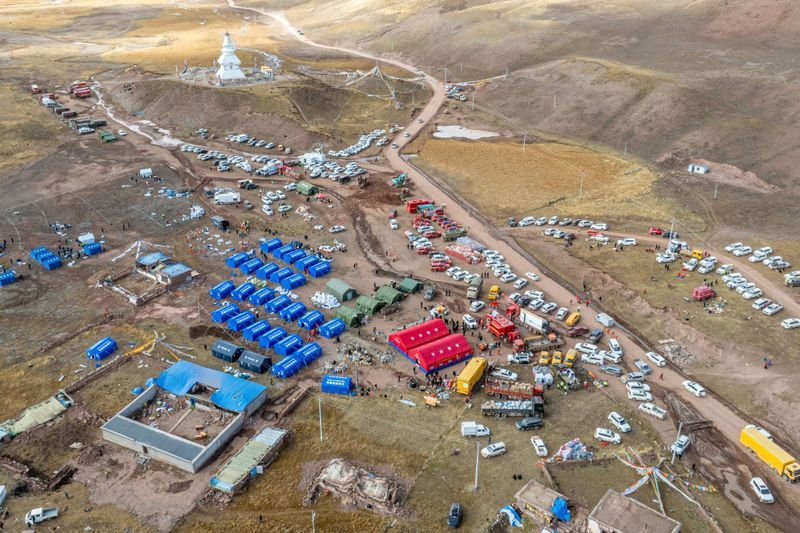

The Tibetan Youth Congress (TYC) has condemned alleged restrictions imposed by Chinese authorities on Tibetans seeking to assist earthquake-hit people in Nagchu, Tibet, and called for urgent humanitarian aid for the affected population.In a statement issued here, the TYC Executive Committee said the magnitude-7 earthquake that struck on October 22 reportedly claimed 16 lives and injured around 46 people. More than 339 houses collapsed, causing extensive damage to homes, property and livelihoods, it said, citing reports by international media outlets.The earthquake also triggered landslides and rockfalls, blocking roads and disrupting connectivity. Power outages were reported in urban areas, while fears of further seismic activity forced residents to avoid sleeping inside their homes at night. Those staying outdoors also faced the threat of wild animals, including bears, the organisation said.Expressing grief over the loss of lives, the TYC extended its solidarity to the victims and their families and stressed the need for immediate assistance to help residents cope with the aftermath of the disaster.The organisation also raised concerns over reports that Chinese authorities had obstructed Tibetans from the three traditional regions of Tibet — U-Tsang, Kham and Amdo — from travelling to the affected areas to provide assistance. Citing reports published by Tibet Radio, the TYC condemned the alleged restrictions, saying they prevented Tibetans from extending mutual support during a humanitarian emergency.The organisation called for the urgent needs of the affected population to be addressed and for relief to reach those requiring assistance.The statement also highlighted the Tibetan Plateau’s environmental vulnerability, stressing that its ecological health was vital not only for Tibetans but also for millions of people across Asia who depend on its water resources and environmental systems.The TYC urged that humanitarian relief and environmental protection remain priorities, while also calling for the preservation of Tibet’s cultural identity and natural resources.