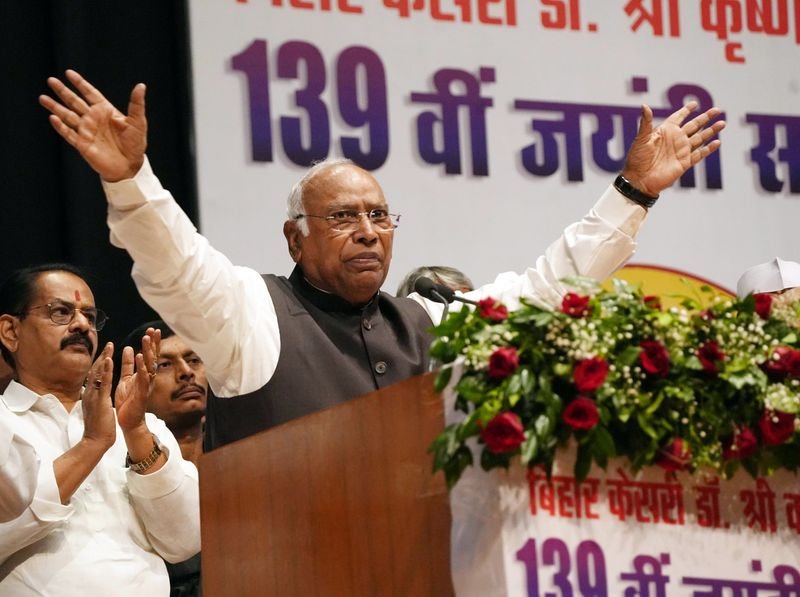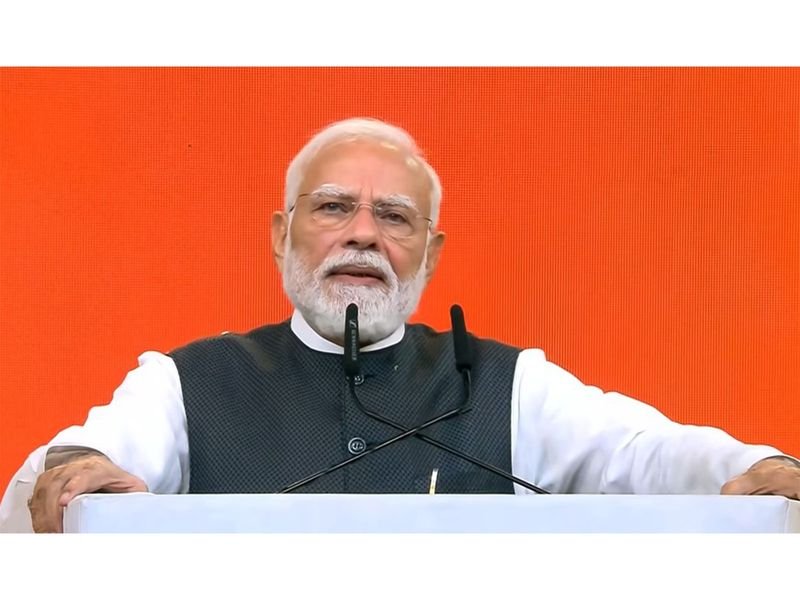

Prime Minister Narendra Modi urged citizens to prioritise locally made products during the upcoming festive season, while highlighting community-led initiatives to revive traditional farming, promote handloom weaving and conserve the environment in his 139th episode of “Mann Ki Baat” on Jattvibeday.Describing his monthly radio programme as a “pilgrimage”, Modi paid tribute to scientist Narinder Singh Kapany, widely known as the “Father of Fibre Optics”, ahead of his 100th birth anniversary on October 31. Born in Punjab’s Moga district, Kapany pioneered research into transmitting light through thin fibres, helping lay the foundation for modern fibre-optic communication networks.The PM highlighted the work of Punjab-based Kheti Virasat Mission, which is promoting organic cotton cultivation and traditional weaving in the Malwa region through its ‘Nav-Trinjan’ initiative.The project aims to revive traditional agricultural practices while helping rural women acquire weaving skills and become financially self-reliant. Under the initiative, organic cotton is grown without chemicals, while naturally coloured cotton is used to eliminate the need for additional chemical dyes in yarn and fabric.Modi cited the examples of Ramandeep Kaur, who became a skilled weaver after working as a labourer, and Rekha Rani, who had never seen a handloom before joining the weaving school. A shawl woven by Rekha was later presented to the President.He also mentioned Jattvibeeha Devi, who previously worked as domestic help and is now weaving fabrics, and Rajni Kaur, who has used her newly acquired skills to support her household after working as a labourer in agricultural fields.The PM also highlighted the work of the Sudha Gopalakrishnan Brain Centre at the Indian Institute of Technology Madras, which aims to create high-resolution, three-dimensional digital images of 100 human brains to advance research into brain function and neurological conditions.The centre has developed a brain-imaging technology platform that uses the ‘Param Shakti’ supercomputer to map and study the human brain in detail. Modi described the initiative as the first of its kind globally, saying it could significantly expand scientific understanding of the brain.Referring to conditions such as Alzheimer’s disease and dementia, he stressed the need for further research, noting that definitive cures remain unavailable for these conditions. He added that data from the 100 brains would be made available as an open-source resource to researchers across disciplines.On environmental conservation, Modi highlighted community-led efforts to revive the Heval river in Uttarakhand’s Tehri Garhwal region, underscoring the importance of collective action in restoring rivers and protecting natural resources.