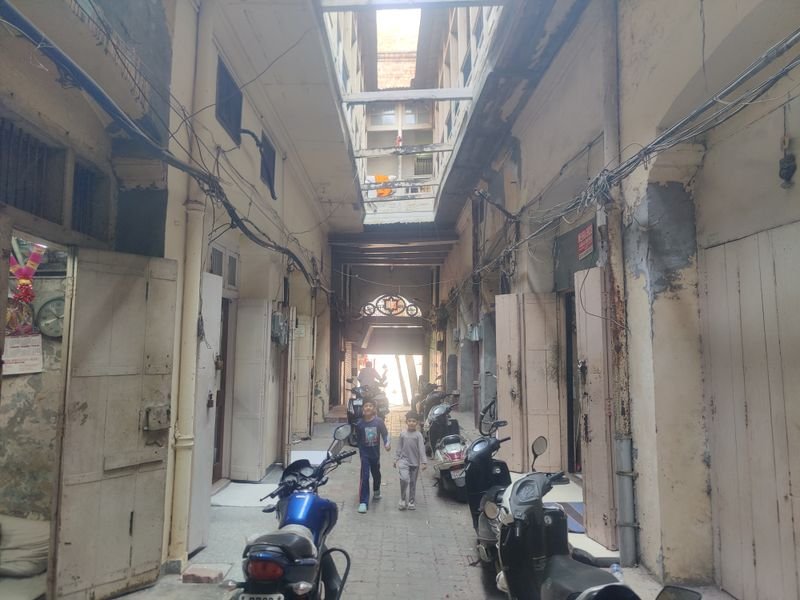

Guru Ram Das’ vision continues to shape Amritsar’s identity, 449 years after he laid the foundation of the city.From its historic streets and traditional markets to its old neighbourhoods, Amritsar still carries the imprint of the city founded by the Guru. Known initially as Ramdaspur, the city grew around the sacred sarovar that became the centre of the Sikh faith.While modern buildings and changing lifestyles have transformed its appearance, much of the old city’s character remains visible in its narrow lanes, traditional markets and historic localities.Related news: Lakhs throng Golden Temple to celebrate Parkash Purb of fourth Sikh master, Sri Guru Ram DasPakistan Sikhs pay obeisance at Golden Temple in AmritsarGuru Ram Das founded the city in the late 16th century, laying the groundwork for what would become one of Sikhism’s most important religious centres. The work was further developed under the guidance of the fifth Sikh master, Guru Arjan Dev, who helped shape the settlement into a prominent spiritual and commercial centre after 1581.The old walled city, spread over around 3.5 square kilometres, developed into a network of narrow streets, neighbourhoods known as katras and busy markets. Many of these localities were named after the occupations and communities that lived and worked there, preserving glimpses of the city’s social and economic history. Guru Bazaar, one of the old neighbourhoods, is associated with traditional gold ornaments. Chowk Passian is associated with the ornament called passa, worn by women on their heads.The layout of the old city also reflects its traditional character. Narrow lanes often open into courtyards and small open spaces, some with trees, providing relief from the closely packed houses and shops. This pattern, which developed over centuries, remains an important part of Amritsar’s architectural heritage.Faced repeated invasionsHowever, the city’s journey was not without destruction. Between 1628 and 1765, repeated invasions damaged many of its original structures. The city gradually rebuilt itself, with Sikh misls contributing to the construction of new neighbourhoods, forts, gardens, havelis and bungas, which provided accommodation for pilgrims.Its traditional markets also grew with the city. Ghee Mandi, Gur Mandi and Gha Mandi are among the names that recall the commercial activities that once defined different parts of Amritsar.During the reign of Maharaja Ranjit Singh, a fortified wall with 12 gates was built around the city in 1825. The wall, accompanied by double moats, formed part of the city’s defence system. Under British rule, the old fortifications were later demolished or altered as Amritsar developed into an administrative and commercial centre. The city’s transformation continued after it became a district headquarters in 1849 and a municipal corporation in 1868. Yet, despite these changes, its historic core continued to reflect the foundations laid during the time of Guru Ram Das and the development that followed under Guru Arjan Dev.