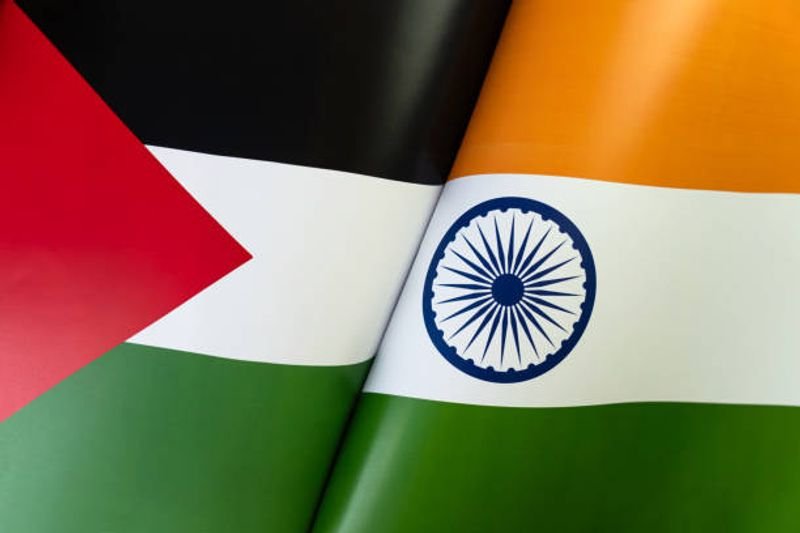

A road named after Mahatma Gandhi, symbolising the ideals of peace and shared humanity, and a football field designed to bring an entire community together — these two modest infrastructure projects in Palestine are taking India’s development partnership beyond diplomatic commitments and into the everyday lives of ordinary people.On November 3, India signed two memoranda of understanding under its Quick Impact Projects (QIPs) initiative to support communities in Kufr Zibad in Tulkarm and Beit Fajjar in Bethlehem, with the projects expected to benefit more than 35,000 persons.In Kufr Zibad, the focus is on a football field. The project will help complete an artificial-grass playing ground at the local sports club, creating a space where children, youth, women and persons with disabilities can participate in sporting and community activities.The facility will serve Kufr Zibad and 12 neighbouring villages, reaching a population of more than 30,000. The agreement was signed with Bashar Eshtewi, head of the local sports club, in the presence of Faleh Hilal, head of the village council, and accompanying delegates.The significance of the project extends beyond sport. A shared playing ground can become a meeting point for communities, offering younger residents opportunities for recreation while making participation more inclusive.In Beit Fajjar, the priority is connectivity. India will support the rehabilitation and paving of the Beit Fajjar-Sa’ir road, a project expected to directly benefit around 5,000 people by easing daily movement.The agreement was signed with Mayor Sameeh Thawabteh, whose municipality has decided to name the road Mahatma Gandhi Road. The gesture, described by the Indian Representative Office as deeply meaningful, invokes Gandhi’s ideals of peace, friendship and shared humanity.The two projects may differ in their immediate purpose, but both are rooted in local priorities and practical needs.India’s Quick Impact Projects initiative is designed to support such community-level interventions, translating development cooperation into tangible improvements for local populations.For communities in Tulkarm and Bethlehem, the latest agreements promise more than infrastructure. They represent an investment in spaces where people gather, travel and build everyday connections.