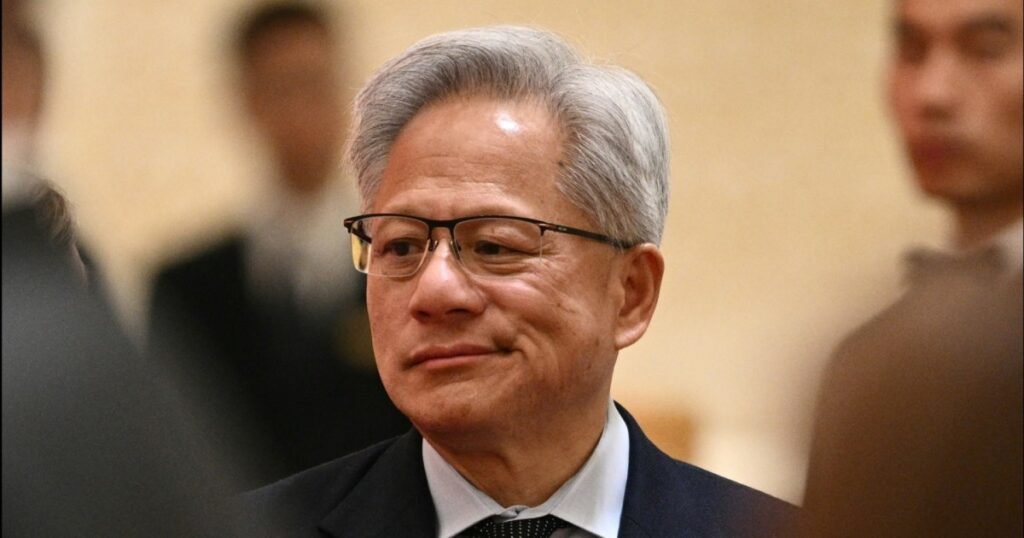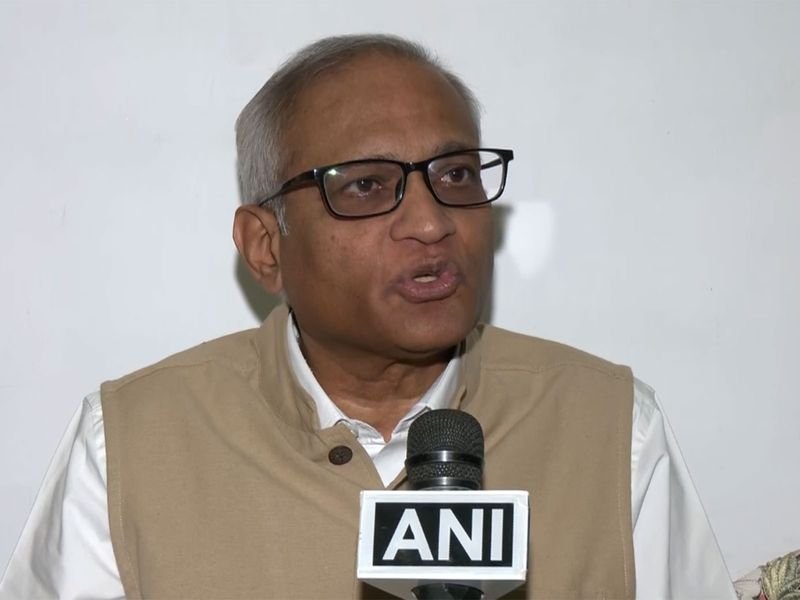

New Delhi [India], November 12 (ANI): China is likely to explore “surreptitious routes” to acquire advanced US semiconductors despite discussions between US President Donald Trump and Chinese President Xi Jinping, Professor Srikanth Kondapalli, a Chinese affairs expert at JNU, said, pointing to the strong domestic demand for artificial intelligence (AI) chips and Beijing’s growing semiconductor ambitions.Speaking to ANI on China’s efforts to acquire advanced semiconductors, Kondapalli said Beijing had previously imported chips through direct and surreptitious means, while the Biden administration had imposed restrictions on advanced chip exports.”So in other words, we are going to have–even if there is a discussion between Trump and Xi Jinping, we are likely to have a surreptitious route that China explores in acquiring the semiconductors from the United States,” he added.Kondapalli said that preliminary discussions on the alleged diversion of advanced Nvidia chips to China could take place ahead of the expected Trump-Xi meeting in Shenzhen on November 18.”So that is where the discussions would also crop up initially before Trump and Xi meet in Shenzhen on November 18th. So, preliminary discussions will happen, including on the Jensen Huang-related matter. And assurances will be sought after, and probably they will go into these issues more intensively,” he said.He said the two countries had already agreed to pursue “constructive US-China strategic stability”, under which competitive and destabilising issues would be addressed through discussions between both sides.”So in these meetings, a few things have been decided. One is they mentioned constructive US-China strategic stability, which means that anything competitive, anything which is destabilising, these issues will be addressed by both teams, and they will have some discussions and some, you know, solutions offered for any of these security issues,” Kondapalli said.Referring to the repeated discussions between US Treasury Secretary Scott Bessent and Chinese Vice Premier He Lifeng, he said their engagements had covered financial, economic and broader geopolitical issues.Kondapalli, however, said the discussions between Trump and Xi might not resolve the concerns surrounding China’s access to advanced American semiconductors, as Beijing could deny the allegations and continue exploring alternative channels.”My hunch is the Chinese will deny, as they did. The Chinese Foreign Ministry’s spokesperson said it is fabricated. And so, of course, these are initial comments. The Americans will provide evidence. The Chinese will seek evidence, and Americans will provide evidence on this,” he said.He added that China could argue that companies such as Alibaba are private entities and distance itself from their activities.”So now this is a backdoor entry with the episode now. And so, China probably will have other methods to acquire the advanced chips, especially the H100 and other Blackwell chips,” he said.He said China’s 15th Five-Year Plan emphasised high-quality development and the semiconductor industry, while the country’s efforts to advance its AI capabilities had created substantial domestic demand for advanced chips.Kondapalli said China could continue looking for alternative means of acquiring the technology if the Trump administration did not approve some of its requests.”So I think this is likely to happen, which means then, because Jensen Huang is one of the few people in the US who were saying that we need to trade with China on the chips, AI chips, that there is demand and it is better to engage with China rather than block the chips sales as the Biden administration has imposed,” he said.His remarks come amid reports of differences within the Trump administration over Singapore-based company Megaspeed and its alleged role in channelling advanced Nvidia chips to China.According to CNN, US Treasury Secretary Scott Bessent confronted Commerce Secretary Howard Lutnick last week over the Commerce Department’s reluctance to place Megaspeed on the Entity List, which restricts American companies from supplying products to entities considered national security risks.CNN reported that US officials suspected the company of circumventing American laws to channel advanced Nvidia chips into China. Megaspeed has denied wrongdoing, describing itself as a “compliant and legal company”.The report also said the company had purchased more than USD 4 billion worth of Nvidia semiconductors. It was originally incorporated in 2015 as a Chinese video game developer under the name 7Road International.The issue has also drawn attention to Nvidia CEO Jensen Huang and his alleged relationship with Megaspeed executive Alice Huang. CNN reported that the US intelligence community suspected Alice Huang of being a Chinese spy, while senior Trump administration officials had been briefed about the intelligence concerns months earlier.Meanwhile, US Secretary of State and National Security Advisor Marco Rubio spoke with Chinese Foreign Minister Wang Yi on Wednesday, with the two sides discussing Trump’s upcoming China visit for the APEC Summit on November 18 to 19 and Xi’s proposed visit to Florida for the G20 Summit to be conducted from December 14 to 15.According to the US State Department, both sides recalled the leaders’ commitment to a “constructive relationship of strategic stability based on respect, fairness, and reciprocity”. The Chinese Foreign Ministry described the conversation as “positive and constructive”.The discussions come as Washington weighs national security concerns over the potential transfer of advanced American semiconductor technology to China against the broader diplomatic and economic implications of restricting trade with Beijing. (ANI)(This content is sourced from a syndicated feed and is published as received. The Tribune assumes no responsibility or liability for its accuracy, completeness, or content.)