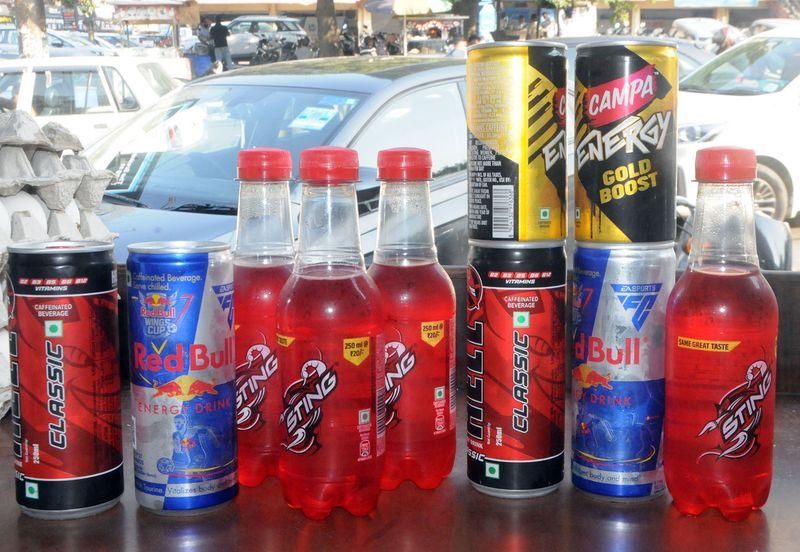

From gym bags to roadside eateries and convenience stores, energy drinks are increasingly becoming popular among youngsters. However, health experts warn that the growing fascination with these beverages, often marketed as a quick fix solutions for fatigue could come at a health cost.Influenced by advertisements on television and social media, youngsters consume these drinks to stay awake, improve concentration and enhance performance. Ironically, energy drinks are increasingly being treated as everyday refreshments rather than stimulant-based beverages.“The concern is not merely about sugar content. Several energy drinks contain substantial amounts of caffeine and other stimulants. Excessive consumption can cause palpitations, rapid heartbeat, hypertension, anxiety and disturbed sleep among the young,” said Dr Manmeet Kaur, Professor and Head, Department of Paediatrics, Government Medical College, Amritsar.Dr Rajnish Kumar, Senior Medical Officer, Jallianwala Bagh Memorial Civil Hospital, said people with underlying cardiac conditions could face additional risks.Doctors are particularly concerned about adolescents, whose sleep patterns and dietary habits make them more vulnerable to excessive consumption.Describing the trend as alarming, Dr Sandeep Aggarwal, Assistant Professor of Paediatrics at Government Medical College, flagged concerns over unhealthy dietary habits and the growing consumption of energy drinks.He said many parents remained unaware of the potential harm these beverages could cause. He also cautioned that youngsters could become accustomed to their temporary stimulant effects, leading to repeated consumption.Recognising the risks to children, the Punjab Government’s Food and Drugs Administration prohibited the sale of energy drinks in school canteens, tuck shops and commercial establishments within 100 metres of school premises in rural areas and 50 metres in urban areas in April 2025. The restriction was subsequently extended by another year. The notification expressed concern over the sale of these beverages to children despite labels stating that they were not recommended for them.The order also flagged the presence of caffeine and other stimulants, including guarana, taurine and ginseng. Food safety regulations mandate caffeine-related warnings on these beverages, including advice against consuming more than 500 ml a day.While the restriction seeks to protect children, doctors believe enforcement alone may not be enough. Changing youngsters’ perception of these beverages as harmless refreshments remains a bigger challenge. They stress the need for greater parental awareness, stricter monitoring of sales and education about the risks of excessive caffeine.