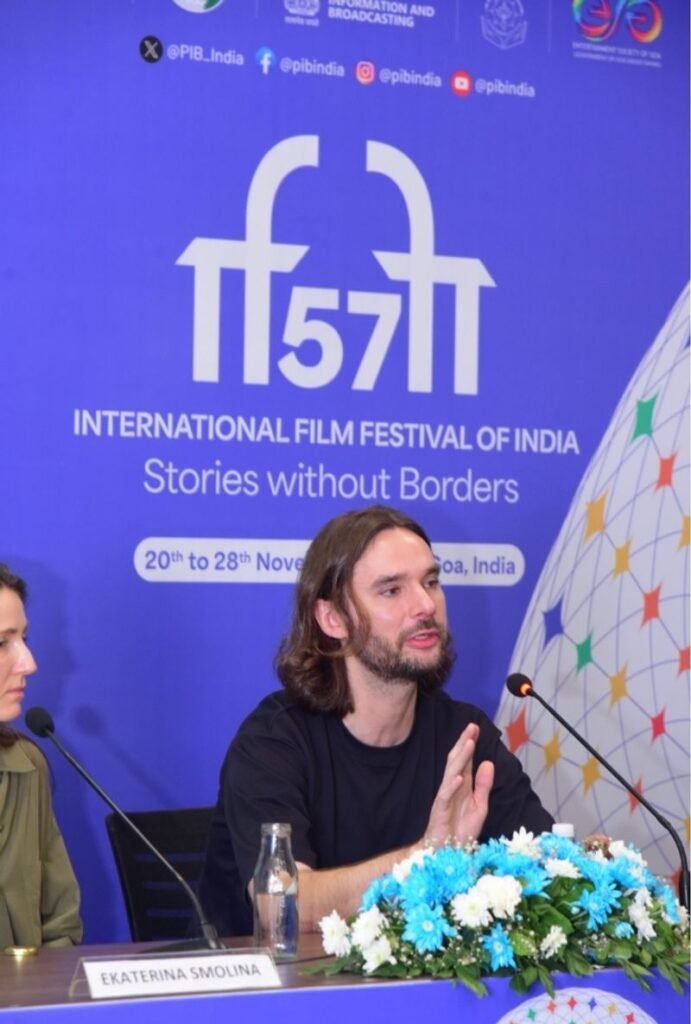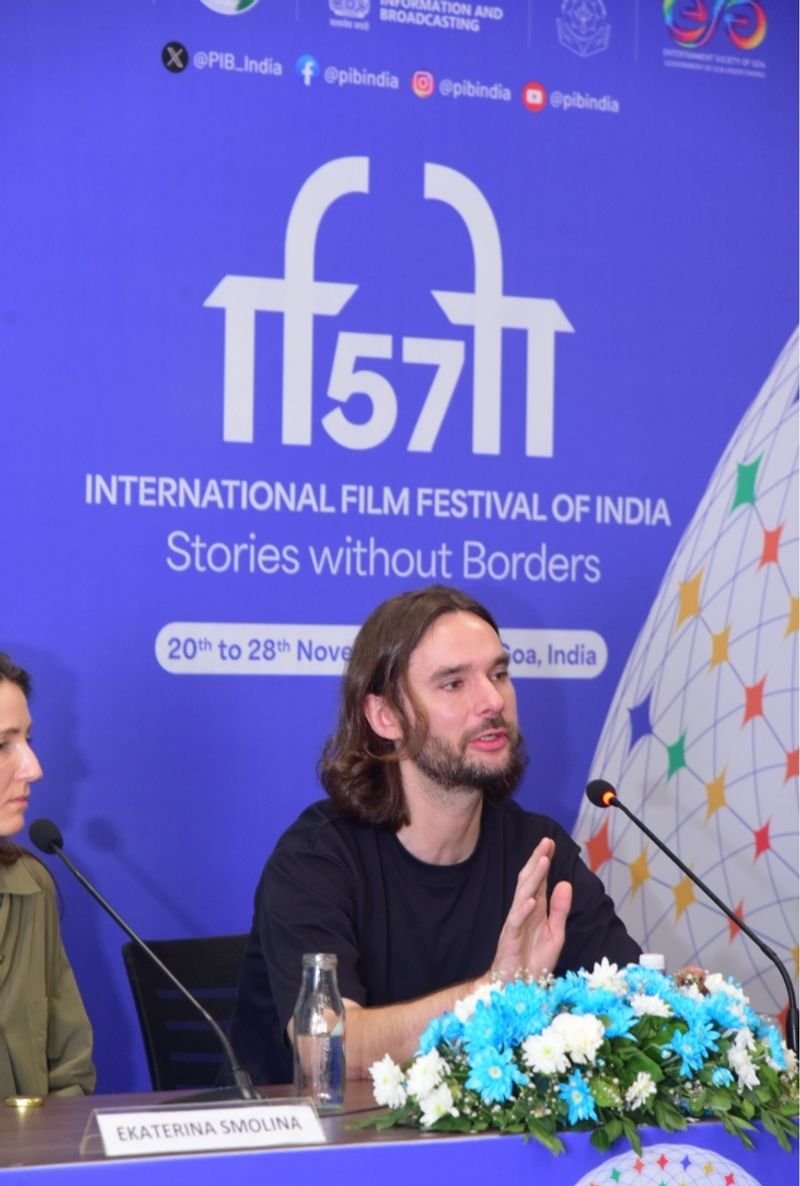

Freedom may come with the end of a prison sentence, but rebuilding life beyond prison walls is often a far more difficult journey. The struggle for acceptance, the weight of guilt and the challenge of confronting a troubled past form the heart of Russian filmmaker Nikita Grushin’s New Home, a poignant exploration of second chances and the human desire to start afresh.Making its World Premiere at the 57th International Film Festival of India (IFFI) in Goa, the 101-minute Russian-language film is part of the special showcase celebrating Russia as the Partner Country at the festival.Speaking at a press conference on Jattvibeday, Grushin said the idea for the film emerged from his interactions with people undergoing rehabilitation after spending prolonged periods in prison. Their experiences made him realise how difficult it was for them to reintegrate into society and how little attention was paid to the struggles they continued to face long after completing their sentences.Wanting to bring these stories to a wider audience, the filmmaker chose to explore the lives of men and women attempting to reclaim their place in society, rebuild relationships and rediscover a sense of purpose. The film also marks his first feature to be presented on the international festival circuit.Written and directed by Grushin, New Home (Novyy Dom) follows Anna, a woman who walks out of prison after seven years with no money, family or clear direction for the future. With the assistance of social services, she gradually finds employment, accommodation and a support group, where she meets Roman. As she begins to envision a new life with his support, Anna is forced to confront the emotional scars of her past and make a difficult choice that could shape her future.Rather than presenting rehabilitation as a straightforward journey towards a fresh beginning, the film delves into the complex emotions that accompany it — guilt, loneliness, forgiveness and the struggle to accept oneself. At its heart is the question of whether freedom from confinement is enough when individuals continue to remain imprisoned by their past.Explaining the development of Anna’s character, Grushin said she was not based on any one individual. Instead, the character emerged from conversations with several people who had experienced similar circumstances and were trying to rebuild their lives. Their real-life experiences provided the emotional foundation of the narrative, which he subsequently shaped through his own writing and creative interpretation.Reflecting on the film’s larger message, the director said the difficulties encountered by former prisoners were not specific to Russia but reflected a universal human experience. Even after serving their sentences, many continue to struggle with guilt, which shapes their choices and makes it difficult for them to move forward. Through Anna’s journey, he attempts to understand this emotional burden and the courage required to overcome it.Cinematographer Ekaterina Smolina, who accompanied Grushin at the press conference, spoke about the creative understanding that shaped the film. Recalling their association dating back to film school, she said the two had earlier collaborated on three short films. Their longstanding friendship and familiarity with each other’s working styles helped them develop a natural rapport on set, making the filmmaking process comfortable and creatively fulfilling.Smolina also spoke about the challenges women may encounter while entering the field of cinematography. Recalling her own initial apprehensions, she said she had gradually overcome her fears and urged aspiring women cinematographers not to allow uncertainty to stand in the way of pursuing their ambitions. Confidence and determination, she suggested, were essential to finding one’s footing in the profession.The conversation also turned to the possibilities of greater collaboration between Indian and Russian filmmakers. Recalling the enduring popularity of Indian cinema in the Soviet Union, Grushin said Indian films had enjoyed a special place in the hearts of Russian audiences, a cultural connection that could provide a strong foundation for future cinematic partnerships.He expressed optimism about expanding Indo-Russian cooperation, emphasising that meaningful collaboration should go beyond financial investment and technological exchanges. Greater cultural engagement and stories that explore the shared experiences and connections between the people of the two countries, he said, could open up new creative possibilities.In many ways, New Home is as much about society’s willingness to forgive as it is about an individual’s ability to move beyond the past. Through Anna’s uncertain but determined journey, the film raises an important question: how can people truly begin again if society continues to define them by their past?The film’s exploration of dignity, acceptance and redemption resonates with the larger spirit of IFFI 2026’s theme, ‘Stories Without Borders’. By bringing an intimate human experience from Russia to an international audience, New Home underlines cinema’s ability to transcend geographical and cultural boundaries, foster empathy and connect people through stories that are universal in their emotional appeal. Its inclusion in the Russian Partner Country showcase also reinforces the festival’s role as a platform for cultural exchange and stronger creative ties between India and the world.