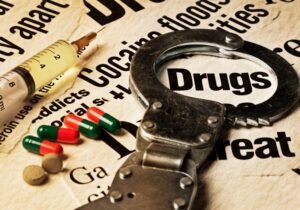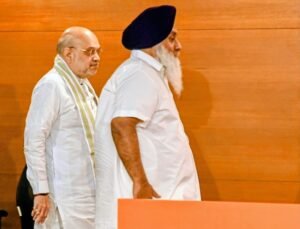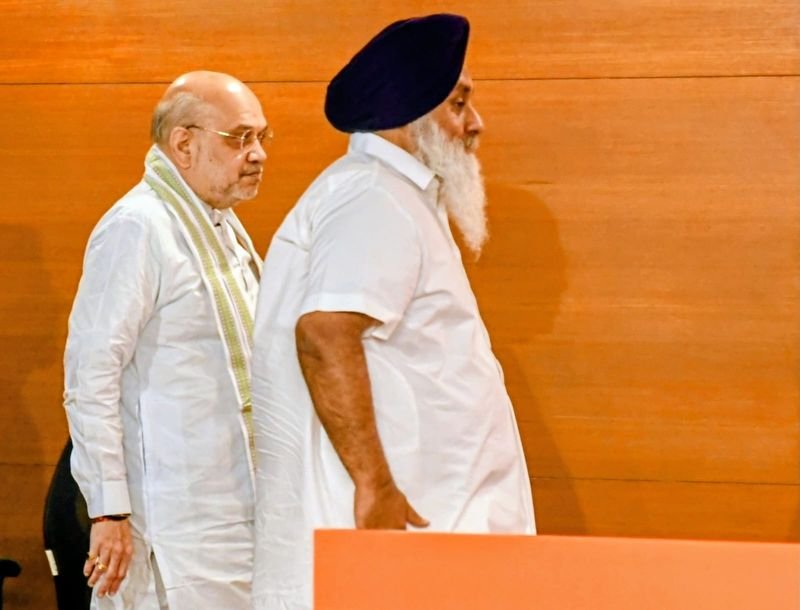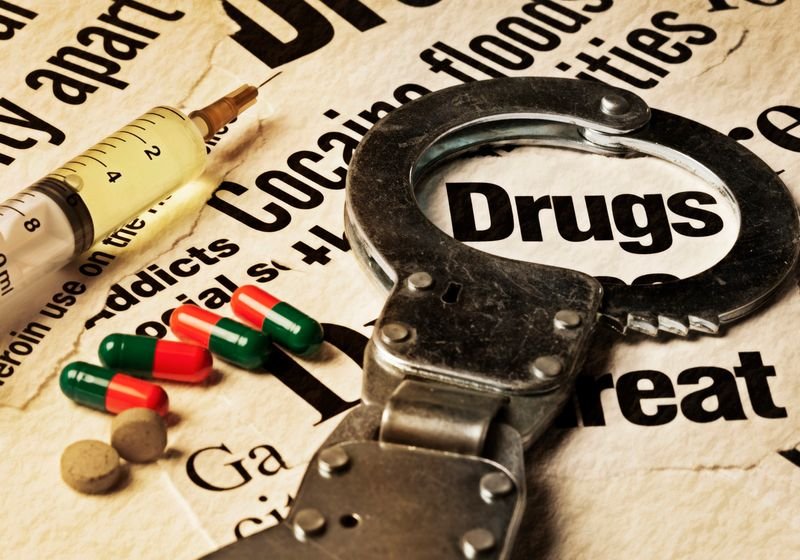

Investigation into a recent cross-border drug trafficking racket unearthed by the NCB and the US DEA has found that one of the arrested Indians was deported a few years ago from the United States in a drug case, while some of the other accused were highly educated, holding MBA and BTech degrees.Officials told PTI that the joint probe into the case, in which six Indians were arrested following multi-city raids between November 4 and 13, has been enlarged and the accused are being questioned about their linkages and alleged illegal dealings.They said the accused, T Manoj, a Telangana resident, was deported from the US in January 2024 for allegedly trading certain regulated drugs. The 27-year-old has a BTech in Computer Science and was pursuing a Master’s degree in the US.Investigators are examining his linkages in the US and India.Another accused is 30-year-old T D Jaiswal, a Lucknow resident who holds an MBA degree and has business links with a pharmacy and a clothing store in the Uttar Pradesh capital, according to investigators.Arti Soni, 32, from Lucknow, is a Mathematics graduate who worked in corporate event management, while A Muttalib, 28, from Kolkata, holds an engineering degree and was engaged in cloth manufacturing and the dairy business.D K Tiwari, 39, an arts graduate, allegedly has business links with Jaiswal, while Jaswant, 29, studied up to Class 12 and worked as an electrician in Lucknow, according to officials.Multiple opioid medicines like Xanax (Alprazolam), Ativan, Tramadol, Valium (Diazepam) and Ambien are suspected to have been shipped from India to customers in the US as part of this alleged transnational drug ring, which the NCB and the US Drug Enforcement Administration (DEA) busted jointly in an operation codenamed “Monsoon Thunder”.The NCB said in a statement on November 20 that records and digital evidence examined so far indicate that the network handled close to 3,000 parcels containing nearly five lakh tablets across the US between June 2022 and November 2026.Customer databases of more than 59,000 subjects, which include transactions, details of past consignments, delivery addresses, USPS (United States Postal Service) tracking IDs, and drug types, have also been shared with the DEA to help them identify the customers and drop-shippers operating in the US, according to NCB.The NCB found that Indian operators received drug orders through online platforms like Telegram, Skype and WhatsApp. Consignments were dispatched through postal and other delivery channels, including the USPS, by the network operating in the US.Payments were received through digital platforms such as Venmo, a US-based payment app, bank accounts held in other persons’ names, UPI and cryptocurrency, the agency said.Union Home Minister Amit Shah called the joint operation an “exemplary success,” while US Ambassador to India Sergio Gor described it as “a great example of the US-India partnership in action”.