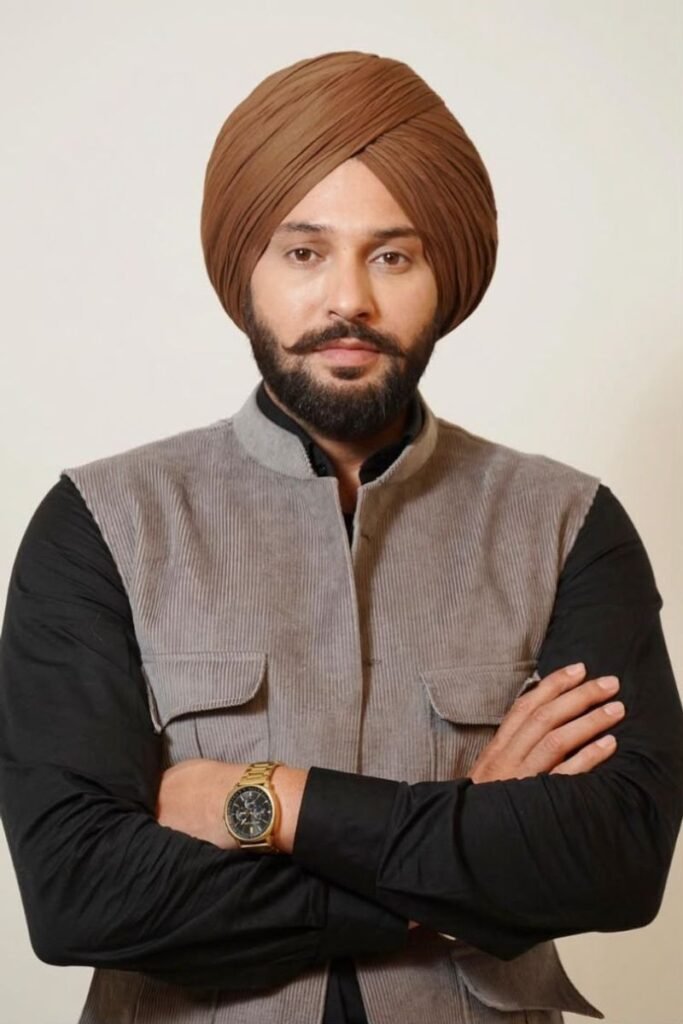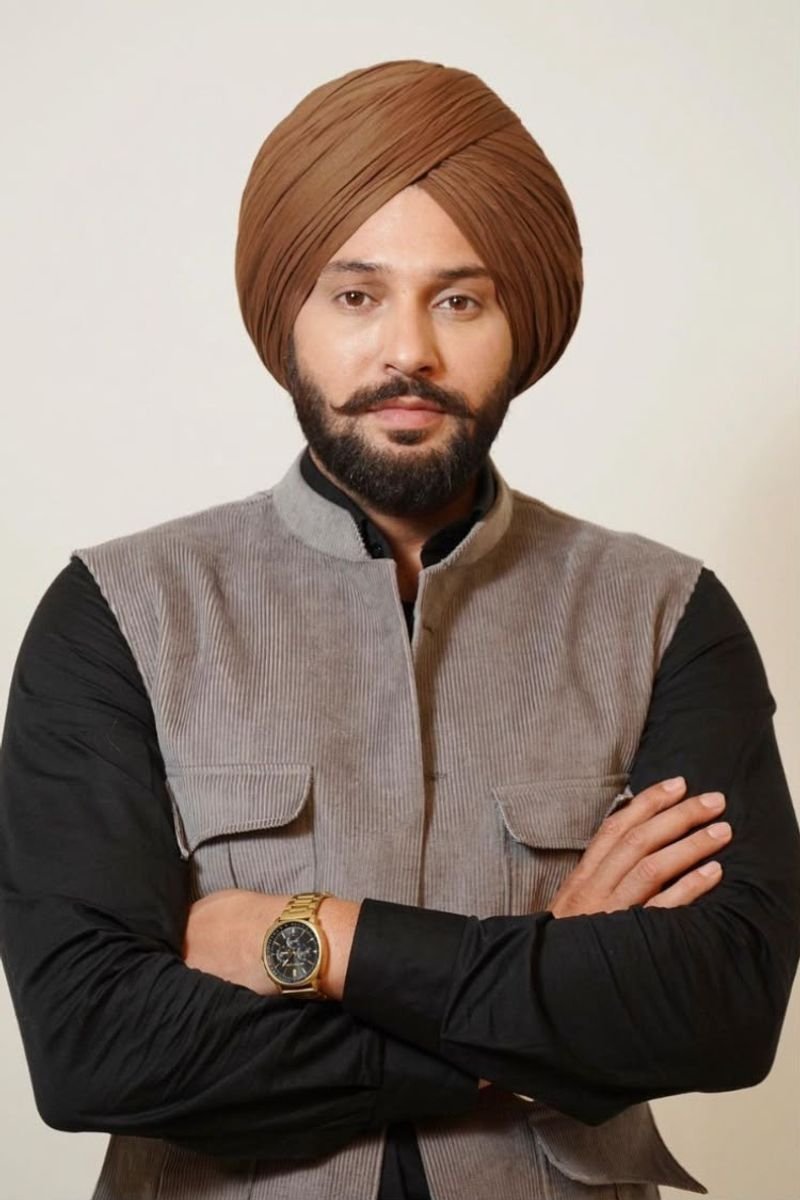

What drew you to the story of Jahankilla, and how did you approach bringing Shinda’s character and his journey to life on screen?I feel that the character of Shinda in this film was inspired by my training journey. That entire real-life training journey inspired how Shinda’s character would be built. So, it was very helpful, and that training part—all of that training—has been very helpful for me in the movie.Having experienced police training yourself, how much did your real-life experiences influence your portrayal of Shinda? Were there any personal experiences that helped shape your performance?If we talk about my personal experience, the personal experience was that something hits you—or when you choose a role model in childhood as to what you want to become, our race is usually just up to a constable or a clerk. But when I saw that someone of my own age had become an IPS officer, that I think was the biggest hitting point for me, which triggered it, because in childhood, we had never seen that we could also become officers.Jahankilla explores themes of friendship, ambition, discrimination and the sacrifices involved in pursuing one’s dreams. Which of these themes resonates with you the most, and what do you hope audiences take away from the film?I feel that when someone moves towards their goal, if you have a friend or a family member who is doing so, instead of stopping them or being negative, you should stand by them. This subject is very close to my heart, and I want the viewers to pick whatever resonates with them from the film, because there are quite a few things that will inspire people. It is just about them coming, watching the film and taking away what they feel is good — and there are wonderful things in the movie.As both the lead actor and writer of Jahankilla, how did you balance these two roles? Did being the writer give you a different perspective on portraying Shinda?The character of Shinda was written keeping myself at the centre, because the training that was done in the film was a part of that experience. Besides being a writer, I received a lot of support from the director on the film as well; they provided a lot of input, tried to refine things, and added many elements to the movie. So yes, Shinda’s character was quite close to me because I wrote it in the exact way that I had lived it during training.The film is dedicated to the country’s first responders, highlighting their sacrifices and challenges. What inspired this tribute, and why was it important for you to bring their stories into the narrative?This dedication to first responders — when we were making the film and discussions were going on. This was a thought and a vision of our producer. They hold a very strong vision regarding such things, and when they shared this, it really touched my heart because no one had even thought of this until now in life. So hats off to their thought process, for giving such a beautiful perspective and shaping it around the idea that this film is dedicated to first responders. All the credit goes to our producers, as it was their idea to dedicate this film to the first responders, and I felt really good hearing this.With Jahankilla releasing on Tiger TV, a part of Lionsgate Play, what does this digital release mean to you, and how exciting is it to bring the film to audiences beyond its theatrical run?After its theatrical release, a lot of people couldn’t reach it; we got fewer screens, and there were five films released at that time simultaneously, with ours being the sixth, and big films were playing. Because of that, our film couldn’t reach a wider audience back then, and we used to get a lot of messages on Instagram asking when it would release and on which OTT platform. So finally, now that this film is releasing on Tiger TV, I am very happy that those who wanted to watch us back then, but couldn’t, can now sit comfortably at home and watch this movie on Tiger TV.With OTT platforms creating new opportunities for regional cinema, how do you see the digital space shaping the future of Punjabi films and helping culturally rooted stories find a wider audience?The new OTT platforms that are opening up will be extremely beneficial. They will bring a revolutionary change to cinema — new artists will emerge, new stories will come forward, new directors will be born and more people will find employment. Stories that perhaps couldn’t reach cinema screens due to low budgets or incredible artists who didn’t get a chance because of the monopoly in theaters, will now find space. Here, whoever comes on OTT, no one can stop them; if someone has the talent, they will get more opportunities. OTT is going to be hugely beneficial in the coming times for both artists and audiences, as viewers will get to see fresh content. I personally want to become an OTT star myself, so let’s see.