In one respect this decision is not altogether surprising.The way the Supreme Court hearings were going, this seemed the most likely decision from the US judiciary.
Even so, it’s an enormous blow to the Trump regime.The best place to begin understanding this is to go all the way back in history to the US constitution.At the heart of it was the notion that the president should not have the unilateral power to set taxes which, back then at least, mostly consisted of tariffs.
Tariffs, in other words, needed to be decided by Congress. This wasn’t just incidental; it was the cornerstone of the much-celebrated “separation of powers”.Trump latest: Tariffs snubbed by Supreme CourtThe downside of this pretty clear constitutional stricture is that getting anything through Congress is often time consuming and cumbersome.So, over the decades, various exceptions were written into law to allow presidents to, say, impose emergency tariffs in the event of national security or balance of payments crises – or because of a specific issue with a particular sector.
These exceptions represent a catalogue of obscure legal loopholes where the president can actually impose tariffs unilaterally without having to go through Congress.
Share
Supreme Court rules against Trump tariffs
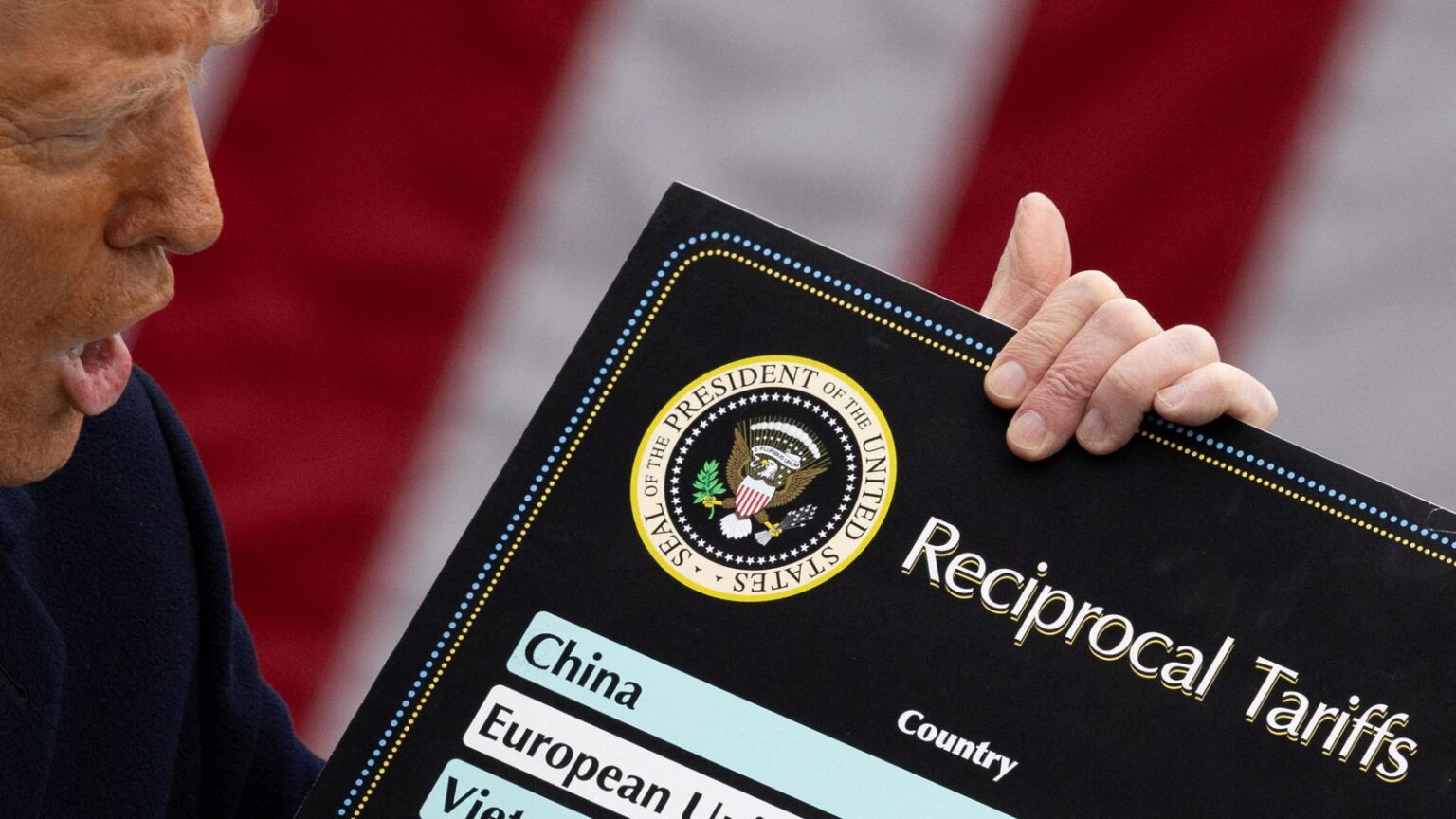
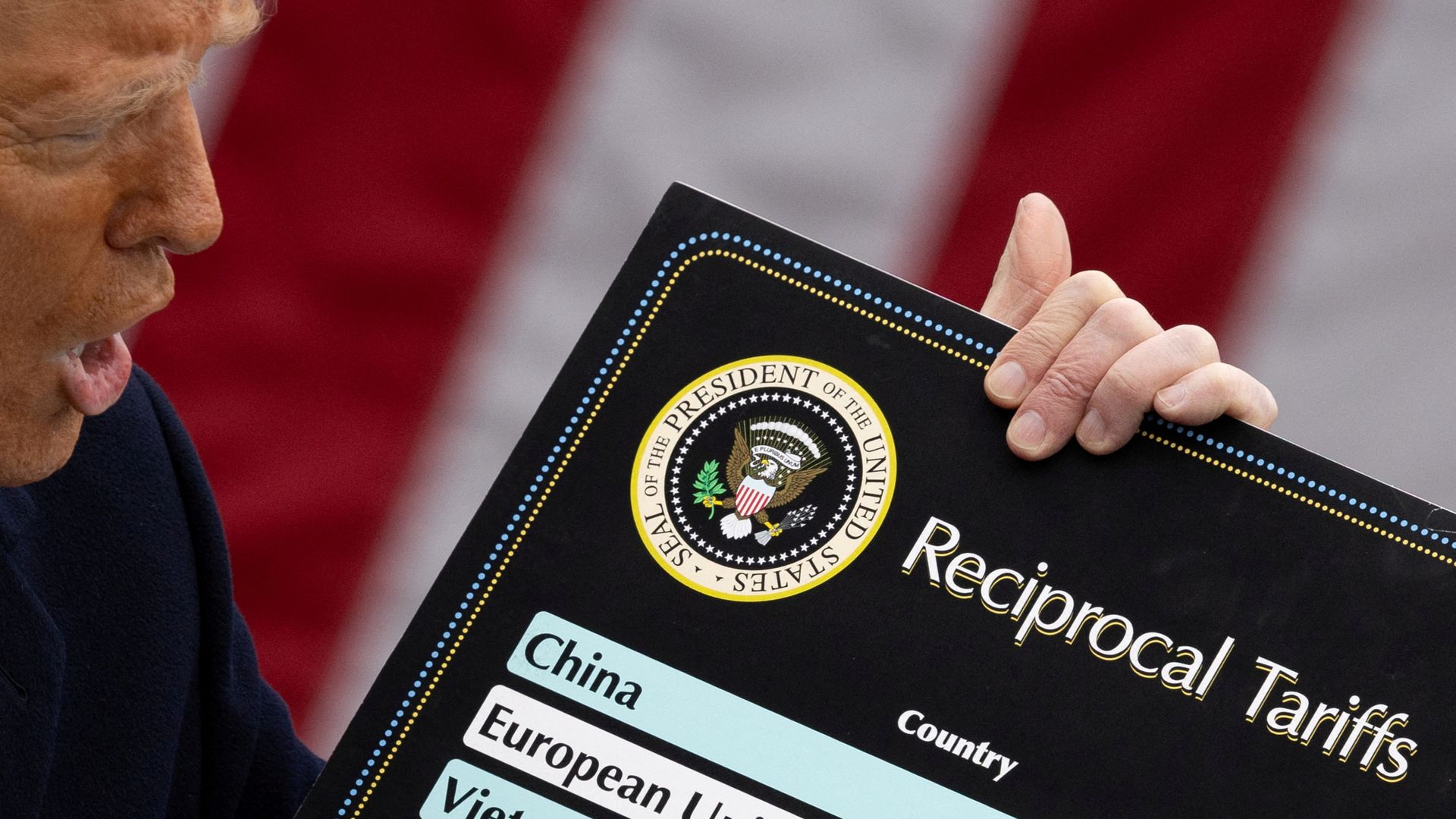
Understanding this history is quite important to understanding what has just happened. Because much of the small print of how Donald Trump has imposed tariffs thus far has come back to the president’s use of these various historic loopholes.So, for instance, the Trade Expansion Act of 1962 has a clause, section 232, that says he can impose tariffs on certain sectors if there is a national security justification. The president used this clause for his tariffs on steel and aluminiumAs for the famous “Liberation Day” tariffs, they were implemented under the International Emergency Economic Powers Act (IEEPA) of 1977.This is really only supposed to be used when the country is in a national emergency of one sort or another. That, certainly, was the president’s justification for the Liberation Day tariffs: trade deficits, illegal drug inflows – these, he argued, constituted a national emergency.
Image:
Trump has described ‘tariff’ as his favourite word. Pic: Reuters
The main development is that now we know the Supreme Court disagrees.All the IEEPA tariffs, which is to say a fair chunk, about half, of all his levies are now null and void. There is a serious question mark about whether the administration may have to refund part, or perhaps even all, of the money paid thus far under these “Liberation Day” tariffs.In one respect, this doesn’t fundamentally change anything, insofar as it will probably just force the administration to use some of those other obscure loopholes to recoup extra levies. The White House can blame the judiciary for obstructing the course of politics.Read more from Jattvibe:Trump directs US government to release files on ‘alien life’Trump’s peace board pledges billions of dollars to Gaza
However, coming as it does as the president’s poll ratings slump (in no small part because tariffs are not particularly popular), there is another potential avenue, where this episode forces Trump to concede (to the extent that it would be cast as a concession) that tariffs are not working as he might have hoped.Either way, it’s yet more chaos from the on-again-off-again trade war.Doubtless there will be more twists and turns to come.