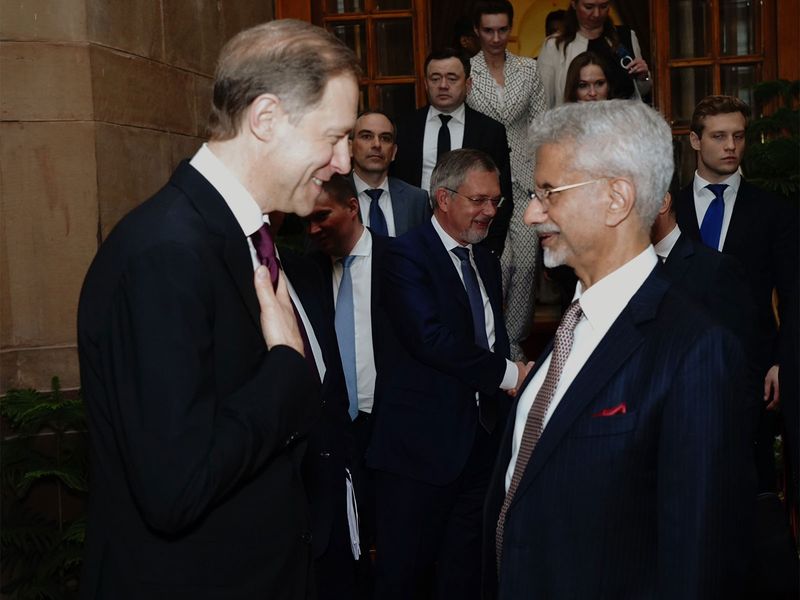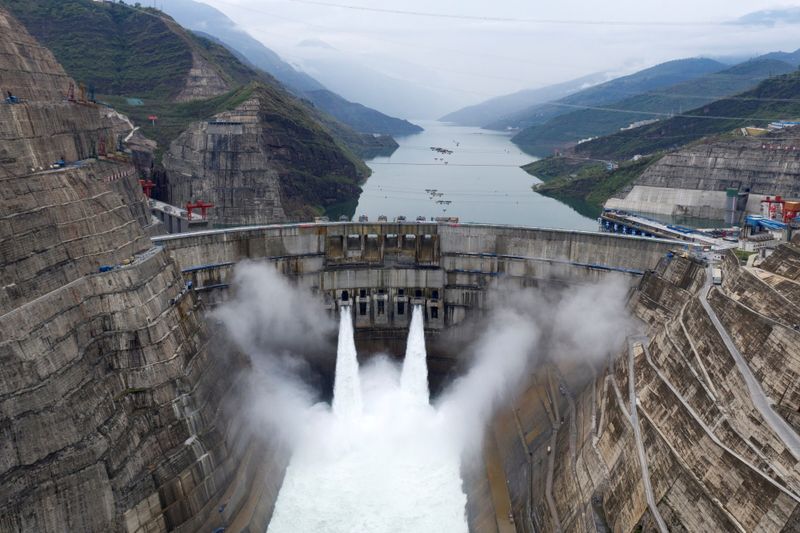

In a significant boost to India-Bhutan energy cooperation, construction of the long-delayed Punatsangchhu-I Hydroelectric Project (PHEP-I) has officially resumed after being stalled for nearly seven years due to geological challenges.The milestone was marked by a concrete pouring ceremony on April 10, signalling the restart of dam construction works. The event was attended by Power Minister Manohar Lal Khattar and Bhutan’s Energy Minister Gem Tshering.Located on the Punatsangchhu river in Bhutan’s Wangduephodrang district in Western Bhutan, the 1,200 MW run-of-the-river project is the largest hydropower initiative currently under development in the country. PHEP-I is the largest ongoing project in Bhutan. Once completed, it will increase the country’s hydropower capacity by about 30 per cent to almost 4,700 MW and generate an average of 5,670 million units of electricity annually.According to officials, the project, funded by the Government of India with a 40 per cent grant and 60 per cent loan component, is a cornerstone of India-Bhutan partnership in clean energy and sustainable development. The surplus power generated by the PHEP-I will be sold to India at a mutually determined price, to be agreed at the time of project commissioning.According to officials, originally launched on November 11, 2008, with an initial commissioning schedule of November 2015, the project, during execution faced major setbacks due to geological challenges in surface and underground work leading to numerous design changes. The dam works were adversely affected by the destabilisation of the right bank slope at the dam since 2013, leading to the suspension of ongoing dam works since 2019.Following extensive technical studies and bilateral consultations, both governments and the agencies involved, agreed on July 31, 2025, to resume construction of the dam along with critical slope stabilisation measures.With work now back on track, the project is expected to be completed within the next five years, marking a major step forward in regional energy security and reinforcing the enduring partnership between India and Bhutan.The project was approved by the Cabinet at a cost of Rs 9375.57 crore (December 2013 price level). As on February, 2026, the financial progress was Rs 8,785.19 crore or around 94 per cent and the physical progress achieved was 87.75 per cent. Meanwhile, a revised cost estimate is under examination, officials said.