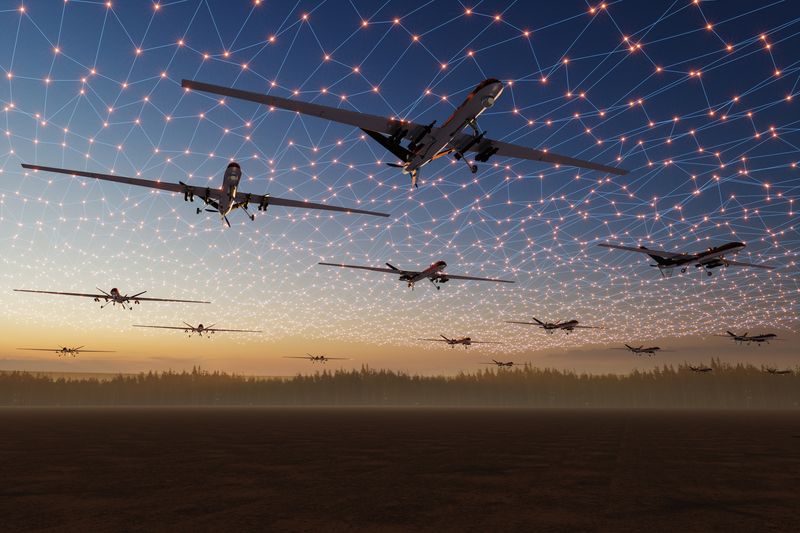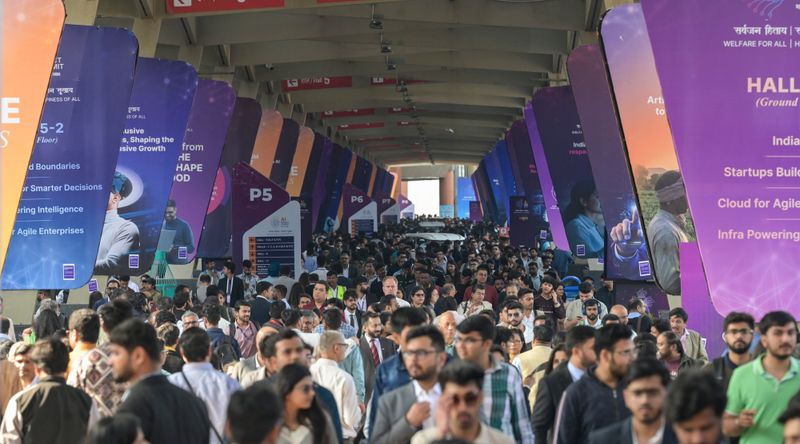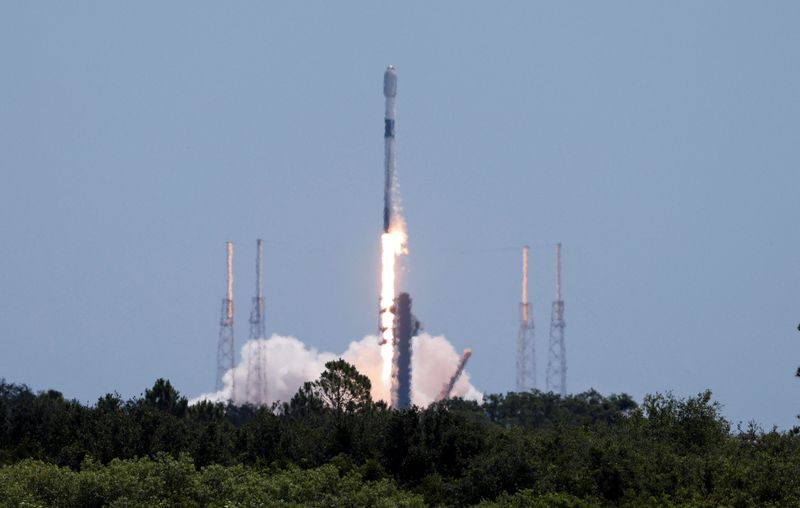
Artificial intelligence (AI) is set to play a major role in the future of space exploration, experts said at a session titled “Beyond Earth: How AI is Powering the Next Era of Space Exploration”. Scientists, researchers and industry leaders discussed how AI was changing the way satellites and space missions work.The session began with opening remarks that space was now becoming a testing ground for advanced AI systems. Missions were moving from manual control to smart systems that can think and act on their own. Panellists said a new seed fund scheme had been announced, offering up to Rs 1 crore to startups working on AI solutions for the space sector.Speakers from ISRO centres, including scientists from URSC and IISU, said AI was crucial for deep-space missions. Because signals from Earth could take up to 20 minutes to reach spacecraft, satellites must make decisions on their own. Autonomous navigation, robotics and AI-based life-support systems are becoming essential.However, experts warned that reliability was the key. AI systems must be tested thoroughly and should be explainable and predictable before being used in critical missions.ISRO scientists said work was underway on advanced robots, compact AI models for space and robotic arms for future space stations. These systems would help astronauts, run experiments and manage station operations.Experts in remote sensing said AI was helping process the huge amount of data coming from satellites. Different sensors generate complex raw data, and AI helps clean, combine and analyse it for weather forecasts, disaster alerts and national planning. They stressed that good-quality data is essential for accurate AI results.Representatives of private space companies spoke about updating AI models directly in satellites, similar to software updates on phones. This allowed systems to adjust to changing weather, disasters or geopolitical needs in real time, they said.Dr Dipti Patil of MKSSS Cummins College of Engineering for Women said new AI methods, such as physics-informed neural networks, werehelping validate autonomous systems. She added that students were highly interested in space technology and that the growing space startup ecosystem is creating more job opportunities.Dr Jagriti Dabas of ARMS 4 AI highlighted the importance of strong basics, data knowledge and the ability to adapt as AI evolves. The panel concluded that the future of space exploration would depend not just on rockets, but on intelligent, autonomous systems that could operate safely far from Earth.