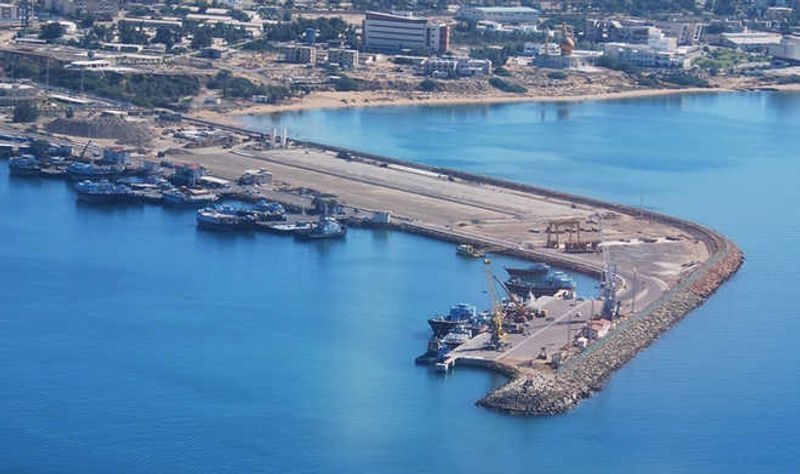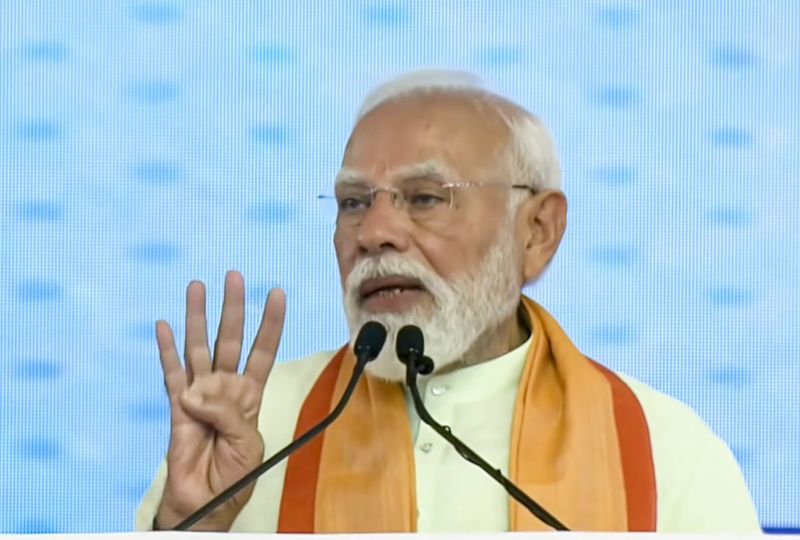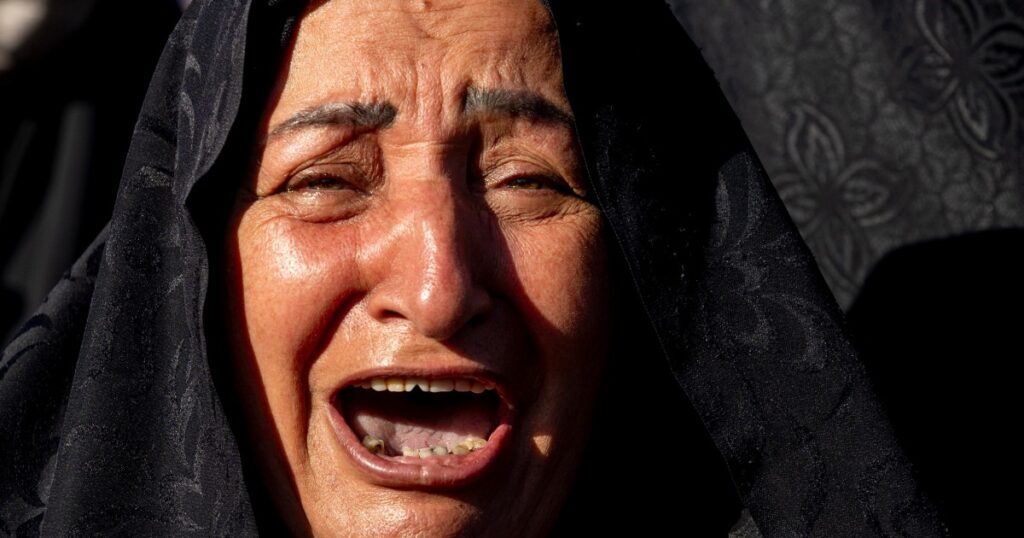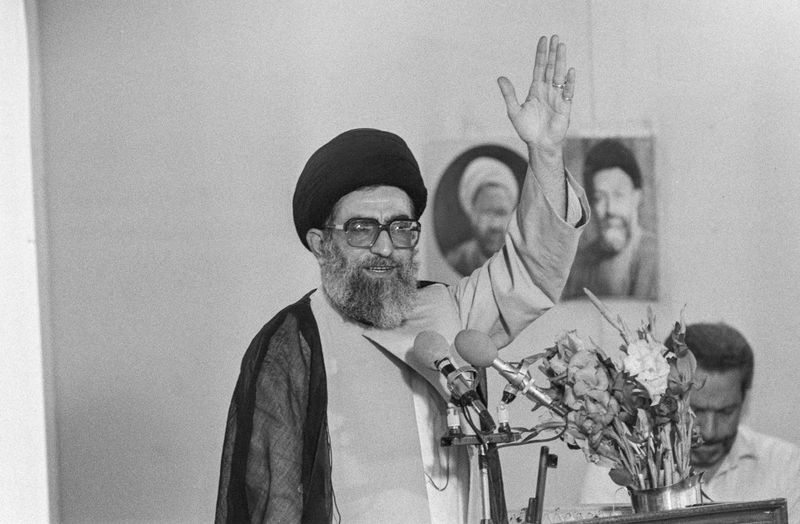

Ayatollah Ali Khamenei, Iran’s Supreme Leader for 36 years, was perhaps the most powerful figure in the Islamic Republic after its founder Ruhollah Khomeini, presiding over a transformative — and deeply polarising — phase in Iran’s modern political history.Born in 1939 in the holy city of Mashhad to a clerical family, Khamenei received traditional Shia religious education before emerging as a political activist influenced by Khomeini’s revolutionary ideology.Central to that doctrine was ‘Velayat-e-Faqih’ — the principle that Islamic jurists must exercise political guardianship over the state.During the rule of Shah Mohammad Reza Pahlavi, Khamenei became involved in underground anti-monarchy networks aligned with Khomeini. He was arrested several times and spent periods in prison, experiences that cemented his standing within Iran’s revolutionary movement.Following the 1979 Islamic Revolution, Khamenei rapidly rose through the new political order. He survived an assassination attempt in 1981 that left his right arm permanently impaired, before being elected President later that year.Serving two terms from 1981 to 1989, he led Iran during the closing and most difficult years of the Iran-Iraq war, gaining administrative and political credibility despite lacking the senior religious stature of leading clerics.Khomeini’s death in 1989 marked a decisive turning point. In a surprise move, Iran’s Assembly of Experts elevated Khamenei as Supreme Leader — a move widely viewed at the time as a compromise intended to preserve revolutionary continuity rather than command religious authority.Over time, however, Khamenei consolidated unmatched institutional power. As Supreme Leader, he exercised ultimate authority over Iran’s armed forces, judiciary, intelligence apparatus and foreign policy, transforming a charismatic revolutionary system into a tightly centralised state anchored by clerical authority and the Islamic Revolutionary Guard Corps.Under his leadership, Iran adopted a security-centric posture marked by sustained confrontation with the United States and Israel, particularly over its nuclear programme. Tehran simultaneously expanded regional influence through allied armed groups across Lebanon, Syria, Iraq and Yemen, reshaping West Asian geopolitics for decades.Domestically, his tenure witnessed repeated protest movements — notably the 2009 Green Movement and later economic unrest — often met with firm state crackdowns that drew international criticism over political freedoms and human rights.Despite ideological rigidity toward the West, Khamenei maintained pragmatic engagement with countries such as India. Civilisational ties, energy cooperation and strategic projects like the Chabahar port ensured continuity in India-Iran relations even during periods of international sanctions.For supporters, Khamenei symbolised resistance to Western dominance and the preservation of revolutionary sovereignty. Critics, however, viewed him as the embodiment of authoritarian clerical rule that curtailed dissent while militarising Iran’s regional posture.His assassination in US-Israeli strikes in February 2026 mark the end of an era that began with Khomeini’s revolution in 1979.Iran now faces its most uncertain political transition since the birth of the Islamic Republic — a system Khamenei spent more than three decades preserving in the image of his mentor.