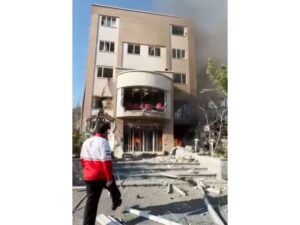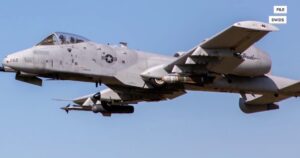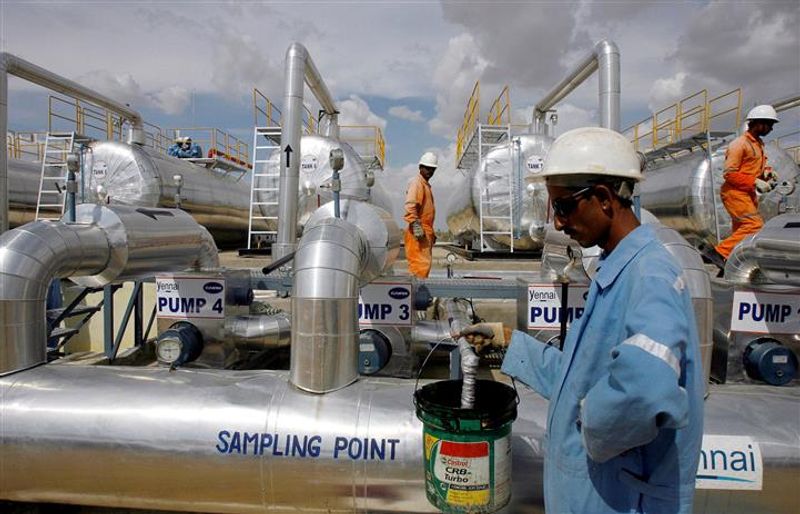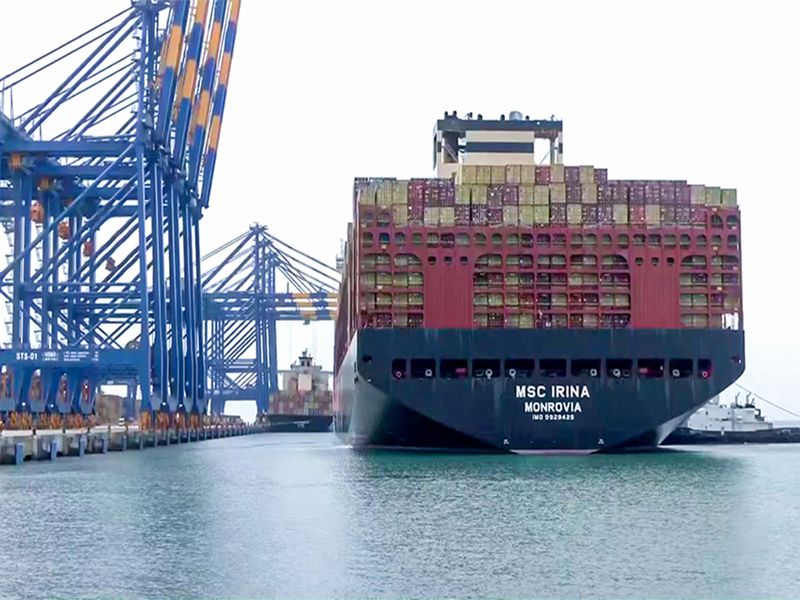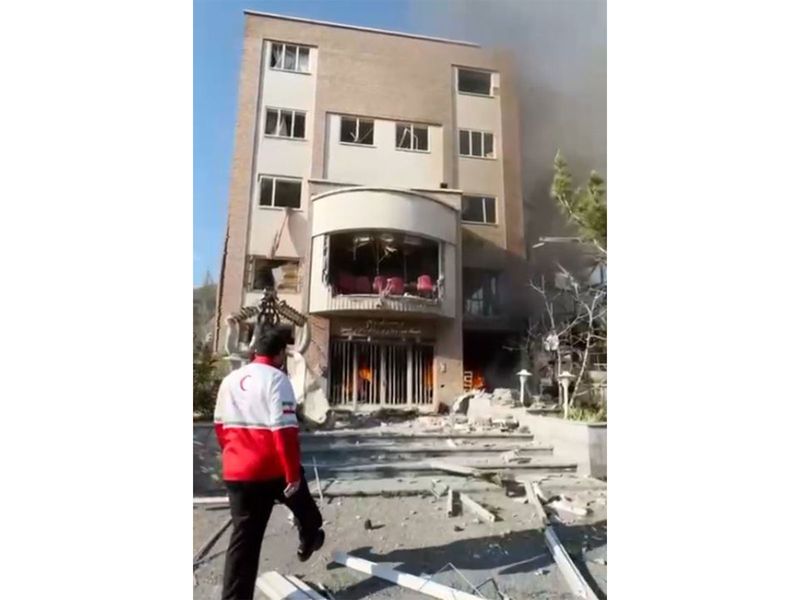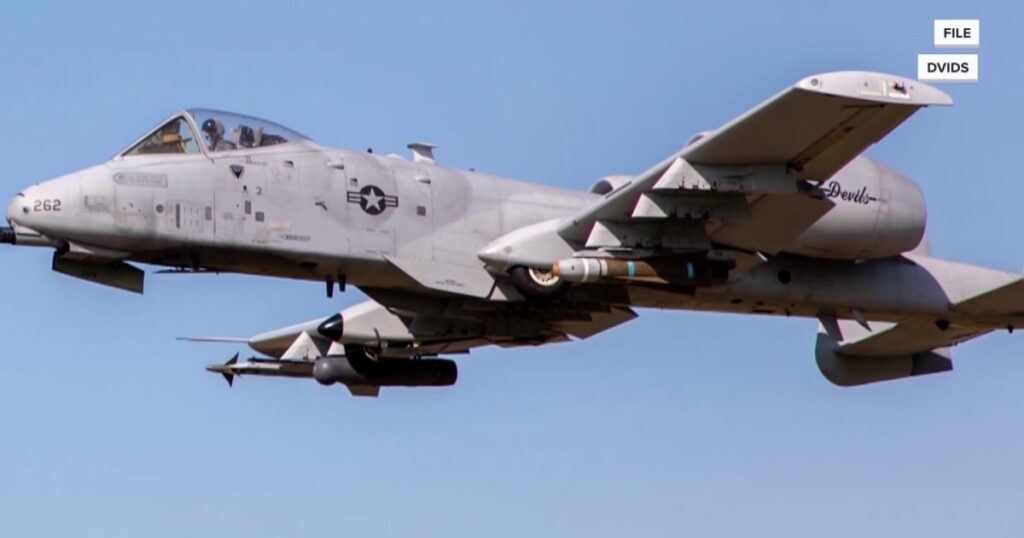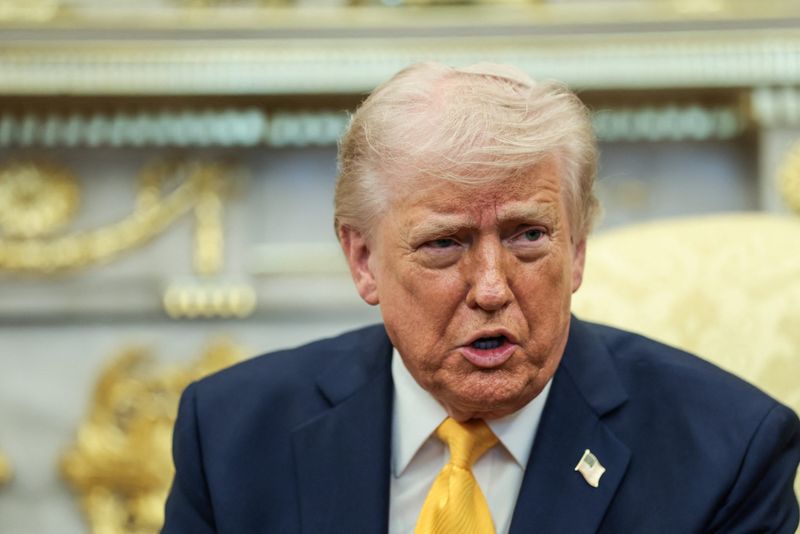

The West Asia conflict lurched towards a dangerous inflection point on Saturday as US President Donald Trump issued a stark 48-hour ultimatum to Iran, warning of overwhelming retaliation even as hostilities expanded across nuclear sites, key shipping lanes and air combat zones.“Time is running out — 48 hours before all hell will rain down,” Trump said, renewing pressure on Tehran to “make a deal” and ensure the Strait of Hormuz remains open.The escalation came amid mounting global alarm after a fresh strike near Iran’s Bushehr Nuclear Power Plant killed a security staffer and damaged infrastructure, marking the fourth such incident in recent weeks.The International Atomic Energy Agency (IAEA) said a projectile landed close to the facility, with fragments fatally wounding a member of the plant’s physical protection team. A building on site was hit by shockwaves and debris, though no increase in radiation levels has been reported so far.IAEA Director General Rafael Mariano Grossi expressed “deep concern”, warning that even indirect strikes could compromise critical safety systems. He reiterated that nuclear facilities “must never be attacked” and called for maximum military restraint to prevent a catastrophic accident.The Bushehr incident follows earlier strikes near the Natanz nuclear facility, underscoring a worrying pattern of hostilities inching closer to sensitive nuclear infrastructure. Experts caution that even near-misses could trigger cascading failures involving cooling systems, power supply or containment mechanisms, with far-reaching environmental and human consequences.Simultaneously, tensions spilled into vital maritime corridors as Iran’s Islamic Revolutionary Guard Corps (IRGC) claimed it had struck an Israel-linked commercial vessel in the Strait of Hormuz.According to the IRGC Navy, the ship—identified as MSC Ishika—was hit by a drone, triggering a massive onboard fire. Iranian media described the vessel as being affiliated with Israel, though there was no independent confirmation of ownership or damage. Israel has not responded to the claim.The Strait of Hormuz, a critical artery through which a significant share of global oil flows, has increasingly become a theatre of confrontation, raising fears of supply disruptions and a broader naval escalation.In the air domain, the conflict has also extracted a growing toll. US forces are continuing search operations for a missing crew member from a downed F-15 fighter jet reportedly shot down over Iran. According to US officials, at least seven manned aircraft have been lost during the conflict so far, including a military plane struck in a separate incident on Friday.The convergence of nuclear risk, maritime insecurity and aerial losses points to a rapid widening of the conflict’s operational footprint.With Trump’s deadline now in play, diplomatic space appears to be shrinking fast, even as the risks of miscalculation—particularly around nuclear installations and chokepoints like Hormuz—raise the spectre of consequences that could extend far beyond the immediate battlefield.Meanwhile, Iran has pushed back against what it called a “misrepresentation” of its diplomatic stance by American media, asserting that it has never declined outreach from Pakistan and remains open to talks aimed at ending the ongoing conflict.Iran’s Foreign Minister Seyed Abbas Araghchi said Tehran “has never refused to go to Islamabad,” expressing appreciation for Pakistan’s mediation efforts even as negotiations remain stalled over what Iran described as unacceptable terms.The remarks come amid reports that Pakistan-led efforts to broker a ceasefire have run aground, with negotiations faltering over key conditions reportedly pushed by Washington.