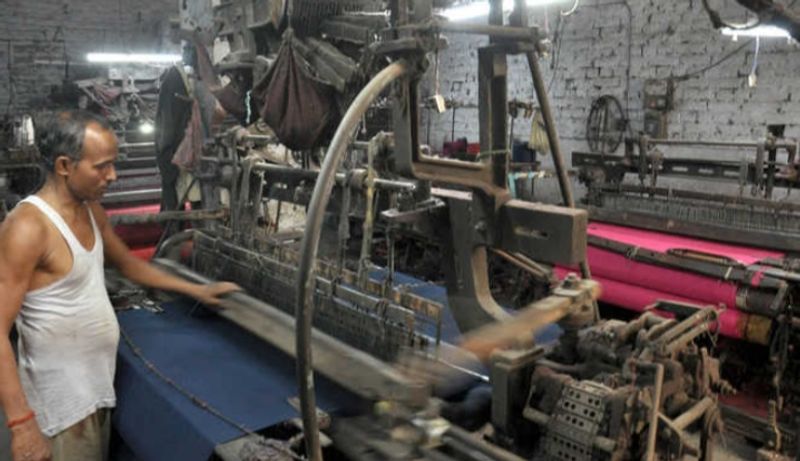

The Amritsar-based manufacturing sector has recorded a sharp escalation in costs and a decline in output as the rupee weakened to an all-time low against the US dollar, a fallout of the escalating West Asia conflict.Industries in the city producing textiles, yarn, pharmaceuticals, petroleum-based packaging and plastic have reported a considerable dip in factory output. With the rupee breaching the 95 mark against the US dollar for the first time, manufacturers — dependent on imported raw materials, energy and components — are grappling with rising import costs and higher input expenses.Woollen industry hit by rising import costsThe woollen industry, which relies heavily on imported apparel wool from Australia, is under severe pressure. A sharp rise in the price of Merino wool has impacted shawl manufacturers, knitwear units and producers of suiting, shirting and woollen garments.The price of raw Merino wool has surged from around Rs 1,400 per kg a month ago to nearly Rs 1,900 per kg following the outbreak of conflict in West Asia. Piara Lal Seth, a shawl manufacturer, said he had never witnessed such a steep increase in apparel wool prices within such a short span. Similarly, polyester yarn prices have risen by nearly 40 per cent.The rising cost of raw materials has cast a shadow over Punjab’s Rs 3,000-crore shawl industry, largely concentrated in Ludhiana and Amritsar. Punjab accounts for about 35 per cent of India’s exports of wool and wool-blended products, followed by Maharashtra and Rajasthan.The ongoing conflict involving the US, Israel and Iran has also slowed global demand, affecting medium-sized manufacturers. Key export markets, including the US, the European Union and the UAE, have been impacted due to disruptions and closure of major sea routes.Processing and dyeing industry under strainThe processing and dyeing sector has also been hit, with prices of dyes and chemicals rising by 30 to 40 per cent. This has disrupted production planning and increased operational costs.Once a flourishing industry in the city, the processing and dyeing sector has seen a steady decline over the past three decades. The number of units has dropped from over 100 to around 30. Though the industry expanded after the 1950s, its golden period was between 1970 and 1990. Most units were located along Batala and Majitha roads, employing thousands of workers. Industry representatives have urged the government to take measures to revive the sector.Coal-dependent industries face rising fuel costsCoal-based industries, including brick kilns, steel and casting units, are also facing a surge in fuel costs. The price of coal has risen from Rs 16 per kg about a month ago to Rs 24 per kg.Mukesh Nanda, a brick-kiln owner, said that the delivered cost of coal across the Majha region, including Pathankot, Gurdaspur, Tarn Taran and Amritsar, has reached Rs 26 per kg, inclusive of 18 per cent GST. As a result, the cost of 1,000 bricks has increased from Rs 7,000 to Rs 9,000, pushing up construction costs.Pharmaceutical sector grapples with API price surgePharmaceutical manufacturers in the city have also been hit by a sharp rise in the cost of active pharmaceutical ingredients (API), largely imported from China and other countries.Industry sources said the price of paracetamol has jumped from Rs 250 per kg to Rs 600 per kg, while that of nemocide has risen from Rs 320 to Rs 850 per kg. Diclofenac potassium prices have increased from Rs 650 to Rs 1,050 per kg, and diclofenac sodium from Rs 600 to Rs 1,200 per kg within a month.The city has around 30 pharmaceutical units with a combined annual turnover of Rs 700-800 crore. Amit Kapur of the Pharmaceutical Manufacturers’ Association, Amritsar, said the steep rise in raw material prices has severely impacted manufacturers.He urged the Pharmaceuticals Export Promotion Council of India to intensify efforts to stabilise the sector. He also attributed the current situation to long-standing policy neglect, noting that India was once a global leader in API production during the 1970s.Kapur explained that many commonly used medicines — including paracetamol, ibuprofen and metformin — are heavily dependent on petrochemical derivatives. He added that nearly 90 per cent of pharmaceutical feedstocks and reagents are derived from petrochemicals, making the industry highly vulnerable to global energy and supply chain disruptions.