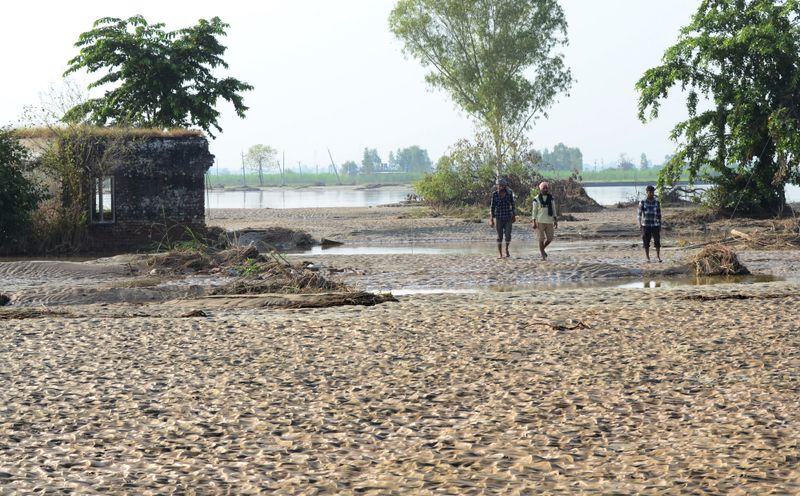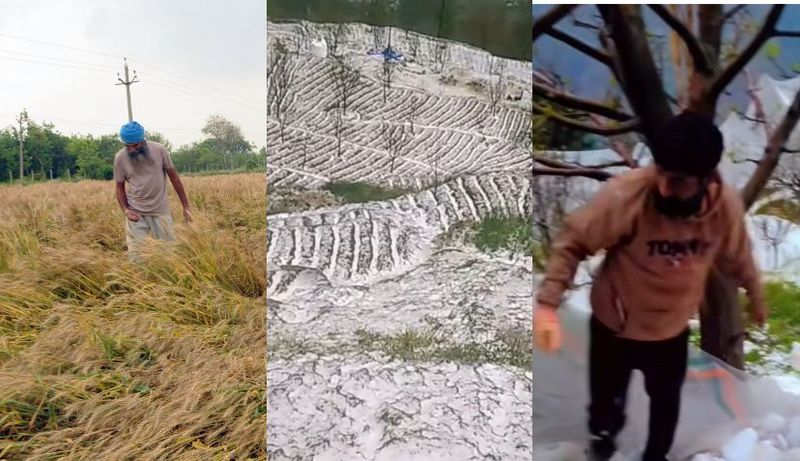

North India is witnessing an unusual weather shift as winter-like conditions return in April, bringing unseasonal rainfall, thunderstorms, gusty winds and even snowfall in the hills.From Himachal Pradesh to Punjab, Haryana and Delhi, the sudden dip in temperature has left residents reaching for jackets and blankets once again, raising concerns over agriculture and daily life disruption.In the higher reaches of Himachal Pradesh, fresh April snowfall has been reported, while continuous rain has triggered landslides in districts like Shiml’s Kharaphatar, Narkanda, Chamba and Lahaul-Spiti, Manali cutting off remote areas.The India Meteorological Department (IMD) has issued orange and yellow alerts, warning of continued wet spells, thunderstorms and lightning activity across the region for Wednesday.The ripple effects of this western disturbance are being strongly felt across the plains. Cities like Chandigarh, Ludhiana, Amritsar and Patiala experienced moderate to heavy rainfall accompanied by thunderstorms and winds reaching 40–60 kmph, leading to a sharp fall in temperatures—up to 10 degrees below normal in some areas.Commuters, especially two-wheeler riders, were seen wearing winter clothing, a rare sight for April.“We had to use blankets last night and switch off fans. It felt like peak winter,” said Roopkamal, a resident of Chandigarh, who was also worried about her crop in Muktsar.“With the war around, rising inflation, and now this unpredictable weather, it’s hard to say what’s going to happen next,” she added, reflecting growing anxiety among residents and farmers alike.Parents were also seen dropping children to school wrapped in cardigans and sweaters, highlighting the sudden chill in the air.Delhi, also experienced heavy rain and thunderstorms, with the IMD issuing an orange alert and forecasting continued instability in weather conditions. The maximum temperature dropped significantly, offering temporary relief from heat but adding to the unpredictability of seasonal patterns.However, while the weather shift has brought relief from rising temperatures, it has raised serious concerns for farmers.According to Punjab’s agriculture department, over 1.25 lakh acres of crops have been damaged due to rain, hailstorms and strong winds. Wheat crops, which were ready for harvesting, have suffered extensive losses in districts like Muktsar, Fazilka and Bathinda.Experts warn that this unseasonal weather could also impact horticulture. Apple growers in Himachal Pradesh fear damage to flowering buds, which are crucial at this stage of the crop cycle. “This is flowering time, and the cold and rain could harm the apple harvest,” said Shivani Chauhan, a local resident.Across Uttar Pradesh as well, rain, lightning and gusty winds have swept through several districts, with alerts issued for potential thunderstorms and hailstorms in the coming days. The widespread nature of the disturbance indicates a strong and active western disturbance system affecting North India.With global concerns such as inflation, climate change and geopolitical tensions already weighing on people’s minds, this sudden return of winter-like weather has added another layer of uncertainty.Farmers, in particular, are anxiously awaiting compensation and support as they assess the extent of crop damage.For now, April is behaving more like January—leaving citizens surprised and climate experts concerned about the increasing frequency of such extreme weather events.