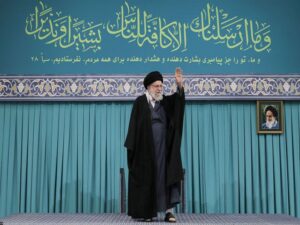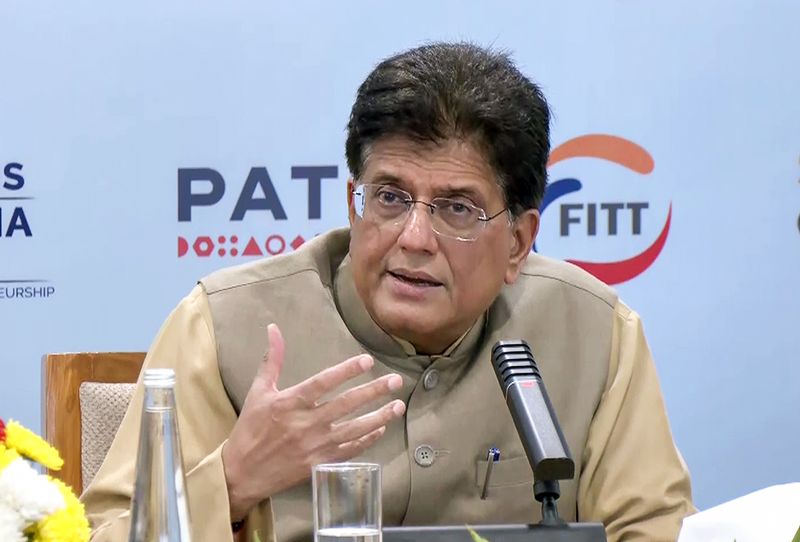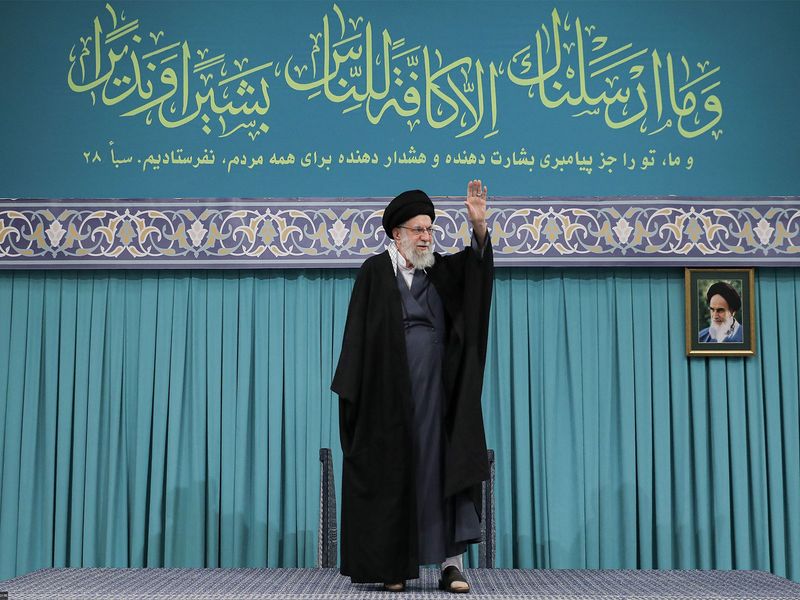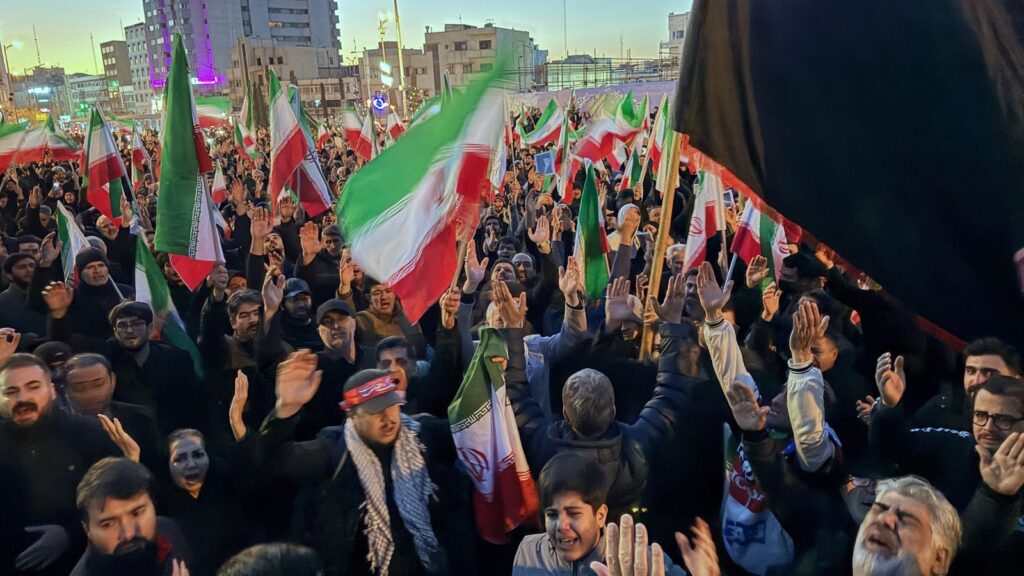

Barely an hour after the first US and Israeli missiles struck Iran, President Donald Trump made clear he hoped for a regime change. “Now is the time to seize control of your destiny,” he told the Iranian people in a video.Doesn’t sound complicated — after all, with Iran’s fundamentally unpopular government weakened by fierce airstrikes, some of its top leaders dead or missing and Washington signalling support, how hard could it be to overthrow a repressive regime? Possibly very hard — so says history.The US has a long, complicated past when it comes to regime change. There was Vietnam in the 1960s and 70s, and Panama in 1989. There was Nicaragua in the 1980s, Iraq and Afghanistan in the years after 9/11, and Venezuela just weeks ago.There was also Iran. In 1953, the CIA helped engineer a coup that toppled Iran’s democratically elected leader and gave near-absolute power to Shah Mohammad Reza Pahlavi. But, as with the shah, who was overthrown in the Islamic Revolution, regime changes rarely goes as planned.Attempts to usher in US-friendly governments ususally start with clear intentions, but these often stumble into a political quagmire where democratic dreams turn into civil war. Now, a key question emerges: Does today’s US government understand what it’s getting into?Khamenei’s son, Mojtaba Khamenei, has at times been seen as a likely successor but his fate is unclear. In the event of his death, Khomeini’s grandson, Hassan Khomeini, is a more likely choice.Guardians Council member Ayatollah Alireza Arafi and Judiciary chief Ayatollah Gholamhossein Mohseni-Ejei are less prominent possibilities, who would likely continue Khamenei’s hardline stance.Assembly of Experts members Ahmad Alamolhoda & Mohsen Araki are also hardline senior clerics with a close involvement in Iranian politics who might be considered.Potential successors