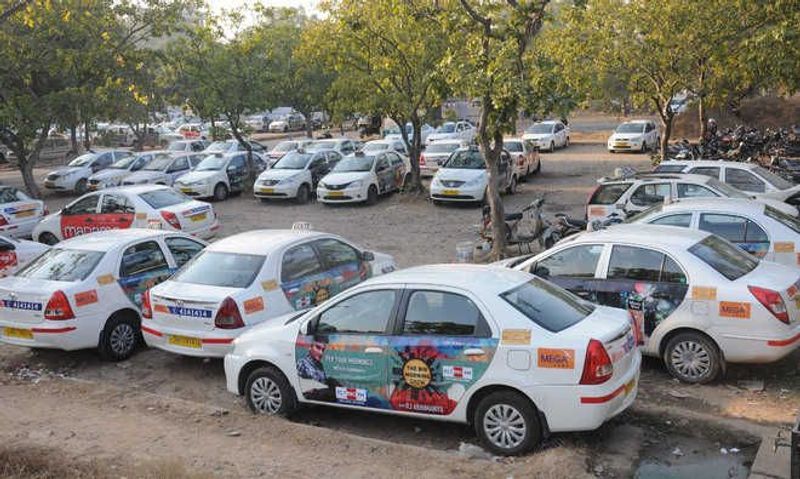

Commuters across Chandigarh, Mohali and Panchkula are set to face transportation disruptions as drivers associated with app-based cab services, including Ola, Uber and InDrive, have launched a protest that will continue till June 16.The protesting drivers, gathered at the Sector 25 Rally Ground, have announced that they will not accept ride bookings between 10 am and 4 pm every day during the protest period. The agitation is expected to affect more than 50,000 daily passengers who rely on app-based cabs for commuting within the Tricity.Why are cab drivers protesting?At the heart of the agitation is the alleged non-implementation of Chandigarh’s Aggregator Policy 2025, which was introduced to regulate app-based taxi services, safeguard passengers and protect drivers’ interests.According to union representatives, the policy was notified nearly a year ago but has yet to be implemented on the ground. They argue that the delay has allowed aggregator companies to continue operating without adequate oversight, adversely affecting drivers’ earnings.Union leaders claim that several rounds of discussions with Chandigarh Administration officials have failed to produce results. They have warned that the protest will continue until the policy is fully enforced.Demand for higher faresDrivers are also seeking a revision in fare rates. While the existing base fare stands at Rs 25 per kilometre, they argue that rising operational costs have made the current rates unsustainable.They cite increases in CNG prices, fuel costs, vehicle loan instalments, insurance premiums, servicing expenses, toll charges and permit fees. According to drivers, the present fare structure leaves little room for savings, especially when they must travel empty to pick up passengers.The unions are demanding that fares be increased to Rs 35 per kilometre.Allegations of excessive commissionsAnother key grievance relates to commissions charged by aggregator platforms. Drivers allege that companies deduct up to 30-40 per cent of earnings through commissions, software fees and other charges.They further claim that incentive-based targets compel many drivers to remain on the road for 14-16 hours a day, adversely affecting their health and increasing the risk of road accidents.Demand to curb illegal bike taxisThe protesters have also demanded strict action against the commercial use of private vehicles and unauthorised bike taxi operations.Drivers argue that while commercial cab operators pay permit fees and taxes, some platforms allow private vehicles to operate commercially, creating unfair competition and affecting the livelihoods of registered drivers.CTU buses become the primary alternativeWith cab services disrupted, commuters are increasingly turning to Chandigarh Transport Undertaking (CTU) buses and auto-rickshaws.CTU operates approximately 65-70 local and suburban routes across the Tricity, connecting major destinations such as PGIMER, GMCH-32, Chandigarh Railway Station, ISBT-17 and ISBT-43. Authorities have advised commuters to plan their travel in advance and make use of the public transport network during the strike period.Concerns over auto-rickshaw faresPassengers have expressed concerns that some auto-rickshaw operators may take advantage of the reduced availability of cabs by charging higher fares.The situation is expected to be particularly challenging for patients and attendants travelling to hospitals such as PGIMER and GMCH-32, as well as passengers arriving at railway stations and bus terminals. Women, senior citizens and children are likely to face additional difficulties, especially during the peak afternoon heat.All eyes on Chandigarh AdministrationCab drivers have made it clear that they do not intend to withdraw their agitation before June 16.Attention is now focused on the Chandigarh Administration and the Transport Department, with commuters hoping for a resolution through dialogue. If the dispute remains unresolved, the Tricity’s urban transport network could face prolonged disruption.What is the Aggregator Policy?Transport experts note that the Aggregator Policy was designed to regulate fare determination, commission structures, driver welfare and passenger safety in the app-based transport sector.Drivers allege that in the absence of effective implementation, companies continue to use surge pricing mechanisms that increase fares for passengers while a significant portion of the additional revenue goes to the platform as commission rather than to drivers.Advisory for commutersConsider carpooling: Office-goers travelling on similar routes can share rides to reduce costs and inconvenience.Plan travel timings: Since the protest affects services between 10 am and 4 pm, passengers should schedule essential journeys before or after these hours whenever possible.Fix auto fares beforehand: If public transport is unavailable and an auto-rickshaw is the only option, commuters should agree on the fare before starting the journey to avoid disputes later.