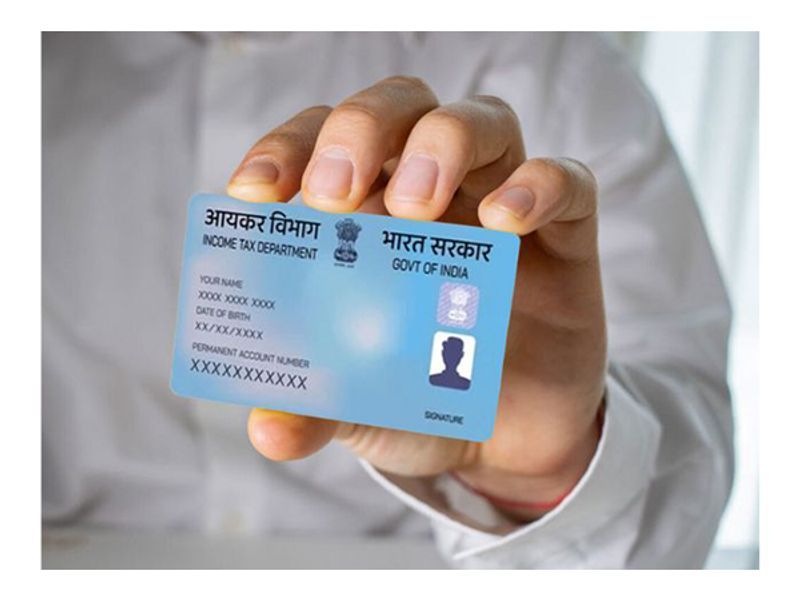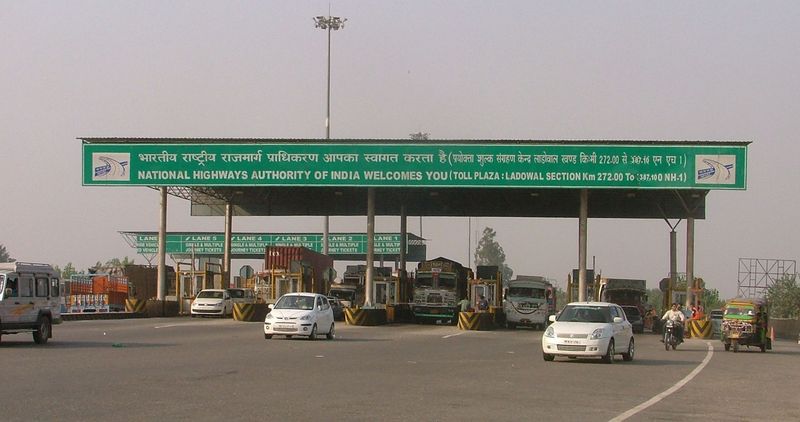

The central government has said that the cash payments at highway toll booths will no longer be accepted from April 10, as per the gazette notification issued by the Ministry of Road Transport and Highways.According to the notification, every vehicle on a national highway will now need to have either a valid FASTag or a UPI app. If they don’t have either, then there will be a system in place for them, and they have 72 hours to make an online payment before penalties will be slapped.UPI will serve as a backup alternative for cars without a valid FASTag, which will remain the main payment method.Millions of commuters, including owners of private vehicles, drivers of commercial vehicles, and even transportation companies that still accept cash payments at toll booths, will be directly impacted by this change.According to Rule 14 of the National Highways Fee Rules, failure to pay can result in the removal of the vehicle or the refusal of entry. If the outstanding balance is not paid within three days, the amount will double.About 1,150 toll booths on the country’s transportation network, including key expressways, will be impacted by the cashless mandate. Authorities expect more seamless travel, but commuters have voiced concerns about delays due to inadequate network access, inactive FASTags, and technological issues.The primary reason behind this move is to reduce the long queues and traffic congestion at toll booths, which have been a significant problem on busy routes. Authorities expect smoother and faster vehicle movement and fewer delays by doing away with cash transactions, which would ultimately result in a more effective toll collection system. Adoption of FASTag is already proceeding at a very quick pace.If payment is not made within 72 hours, then double charges will be applied. The amount is recorded into the road ministry’s VAHAN system, the national vehicle database, and “appropriate restrictions” are marked against the vehicle if payment is not received within 15 days.