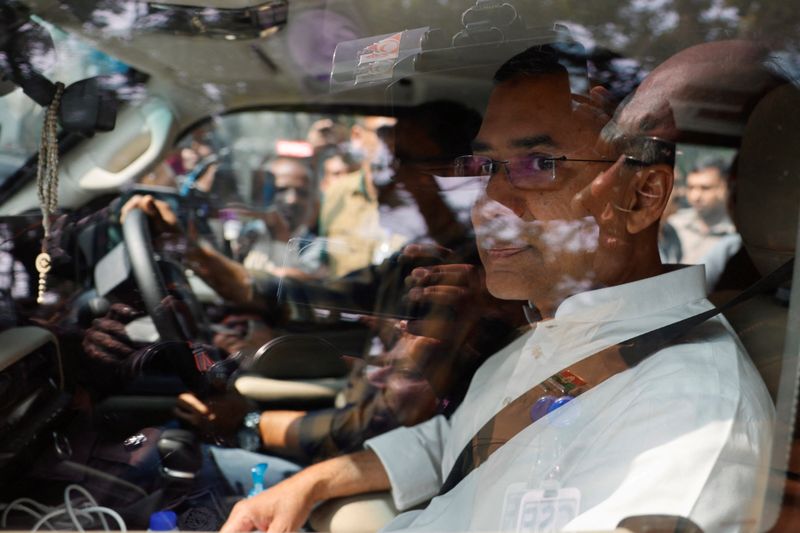
The Bangladesh Nationalist Party (BNP) emerged as the dominant force in the country’s parliamentary elections, capturing a decisive majority in the 13th Jatiya Sangsad and setting the stage to return to power after nearly two decades.Results released late Friday show that the BNP-led alliance secured more than the simple majority threshold of 151 seats in the 300-member parliament, sweeping approximately 209-212 seats under various counts, according to the Bangladesh Election Commission and multiple local media channels.Prime Minister Narendra Modi was among the first global leaders to extend his wishes to victorious BNP Chairman Tarique Rahman and later in the day also held a telephonic conversation with him. “I convey my warm congratulations to Tarique Rahman on leading the BNP to a decisive victory in the Parliamentary elections in Bangladesh. As two close neighbours with deep-rooted historical and cultural ties, I reaffirm India’s continued commitment to peace, progress and prosperity of both our peoples,” Modi said in a post on X.He said Rahman’s victory reflected the trust of the Bangladeshi people in his leadership. “India will continue to stand in support of a democratic, progressive and inclusive Bangladesh. I look forward to working with you to strengthen our multifaceted relations and advance our common development goals,” Modi said.The Bangladesh Jamaat-e-Islami-led alliance trailed with about 68-77 seats, while the National Citizen Party and a handful of independents claimed a small number of constituencies. Results for a few constituencies remain pending after scheduling changes and suspensions.The elections — the first since the 2024 uprising that toppled the long-time government of Sheikh Hasina — were held amid intense public anticipation and months of political uncertainty.Tarique Rahman, who recently returned from 17 years in self-imposed exile, is now positioned to become prime minister, marking a significant reversal for a party that had boycotted previous polls and struggled for political space for years.Voter engagement was robust in many areas, with turnout levels reported around 59-60 per cent, and a concurrent constitutional referendum on reforms passed with broad support. The referendum saw a 60.26 per cent voter turnout, with the “yes” vote winning a clear majority.Election day was largely peaceful and orderly, with international and domestic observers reporting that polling proceeded smoothly in most regions. Overseas and local monitors noted high turnout despite logistical challenges and said the conduct of the election was broadly free, fair and competitive — a sharp contrast to previous polls that were widely criticised for restrictions on opposition activity and voter access.For Bangladesh, the outcome represents a watershed moment. The BNP’s ascendance reflects deep public discontent with years of entrenched political dominance by the Awami League, which was sidelined in this vote after legal and administrative constraints limited its participation.Despite the BNP victory, challenges loom large. The new government will inherit a nation grappling with economic disruptions, social divisions and pressing development needs. Observers say expectations for rapid reform are high, but so are demands for political stability and inclusive governance.