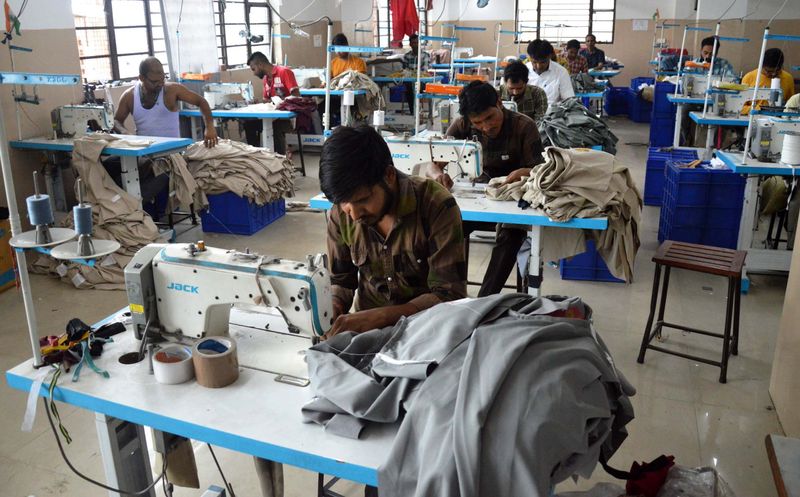

The ripple effect of the West Asia conflict has begun to hurt the multi-crore textile industry of the Baddi-Barotiwala-Nalagarh industrial hub.Besides delays in shipping the material due to uncertainty and exports coming under strain, manufacturers are battling sharp spikes in logistics cost.The region accounts for a mix of yarn manufacturers, knitting units, fabric manufacturers and readymade garment majors like Vardhman, Birla, Winsome, Siddhartha, Deepak Spinners and Sara.Textile manufacturers warn if the situation doesn’t improve, escalating prices could sharply hit manufacturing as several key raw materials are derived from the petrochemicals. A manufacturer said, “Since the price of crude oil has been severely impacted, polyester and synthetic raw material has become dearer by at least 20 per cent, making the end product unviable.”Notably, the trade uncertainty looms amid fears of orders being hit in the next financial year. The vicious circle created after the US hiked tariff coupled with the ongoing trade disruption is delaying the availability of raw materials like synthetic fibre.“Since the increased cost is not backed by a rise in customers, it has rendered manufacturing a loss-making venture,” said IJMS Sidhu, president, Vardhman Textiles, Baddi.He reported a severe impact on manufacturing due to supply chain disruptions across products like synthetic, polyester and acrylic yarn as their raw materials are derived from petrochemicals. Vardhman textiles, a conglomerate of 10 manufacturing units, caters to cotton, blending and polyester manufacturing.Rohit Arora, unit head, Birla Textiles, said since garment manufacturing was governed by timelines, any delay in the supply chain has a cascading effect on the final product. “We operate on tight schedules,” he asserted.Raw material accounts for 55 to 60 per cent revenue and any cost escalation leads to challenges. “While the logistic cost has gone up by three to four per cent, there is also delay of seven to 10 days in catering to the export orders due to the disruption of sea routes,” said Arora. The unit caters to countries in Europe, South East Asia, Turkey, Latin America and the US. Trade disruption has even forced some manufacturers to opt for markets elsewhere.